Last updated November 18, 2026
Free written scope consultation - allowances, timeline, and change-order rules on paper before a single trade is scheduled
DIY vs Professional Construction: The Concord Homeowner’s Decision Guide
Most homeowners think the DIY-versus-pro question hinges on skill. It doesn’t. It hinges on which mistakes are recoverable and which ones cost more to undo than to have done right the first time. In Concord, that line sits somewhere different than most people expect, because the same legal framework that lets a homeowner pull their own permit also leaves that homeowner personally holding the liability if the work fails inspection or a neighbor objects. This guide walks through what California actually allows you to self-perform, where homeowner permits tend to trip up, and how to split a project so you keep the low-risk work and hand off the rest without losing control of the budget.
Quick Answer
In Concord, homeowners can legally pull their own permits and perform much of their own construction work, but structural changes, gas and electrical systems, roofing, and anything touching the public right-of-way are best handled by a licensed contractor. The smart approach for most Concord homes is hybrid: self-perform the low-risk finish work you’ll actually enjoy, and bring in a licensed professional for the portions where a failed inspection or a liability claim would erase any savings.
Styles & brands we work with
- Kitchen remodeling
- Bathroom remodeling
- Home additions & ADU
- Roofing
- Windows & doors
- Driveway & pavers
- Fence
Table of Contents
- What Can You Legally Self-Permit in Concord?
- The Hidden Cost of DIY: Permits, Inspections, and Liability
- Where DIY Actually Makes Sense in Concord
- The Failure Modes That Turn DIY Into Remediation
- The Hybrid Approach: Self-Perform the Finish, Hire the Structure
- Why a Single-Source Contractor Changes the Math
- How to Vet a Contractor in Concord
- Common Mistakes to Avoid
What Can You Legally Self-Permit in Concord?
California gives homeowners more latitude than most states. Under state law, a homeowner who occupies the property can pull an owner-builder permit and perform their own construction work, including work that would require a licensed contractor if done for someone else. That’s the framework. The practical question is what’s actually wise to do inside it.
Here’s how the categories shake out in Concord:
- Non-structural interior work: Painting, flooring, tile, trim carpentry, and drywall on a like-for-like replacement generally can be self-performed, often without a permit at all.
- Cosmetic and finish-level work: Cabinet refacing, fixture swaps that don’t move plumbing or gas lines, and interior door replacement are typically within homeowner reach.
- Fencing and landscaping within your own property line: Low risk when you stay inside the setbacks and don’t block a neighbor’s access. Fence height and setback rules vary by zone, so check before you dig.
- Structural work and additions: Requires engineered plans, a licensed contractor in most practical cases, and multiple inspections. This is where owner-builder permits get abandoned mid-project most often.
- Electrical and gas: Any new circuits, panel work, or gas line modification should go to a licensed trade. The permit isn’t the hard part; the risk is.
- Roofing: High fall risk, and a failed roofing inspection can leave you with an uninsurable roof. This is the classic hand-off category.
None of that is a recommendation to self-perform. It’s a map of where you actually have a choice, and where the choice is largely theoretical. The real decision for most Concord homeowners sits further down the list than they expect.
If you’re thinking about a multi-area renovation, it’s worth mapping the full scope before you start pulling permits piecemeal. Our Construction Concord team structures projects so the sequencing makes sense from the beginning rather than being stitched together around whatever permit happens to clear first.
The Hidden Cost of DIY: Permits, Inspections, and Liability
The cost of a homeowner-pulled permit isn’t the permit fee. It’s the inspection calendar, the re-inspection cycle, and the liability exposure if something goes wrong after the work is signed off or, worse, never signed off at all.
Here’s what actually happens when a homeowner pulls their own permit in Concord. The permit fee itself is usually the small number. The bigger costs show up in five places:
- Plan review corrections. Owner-builder submittals often come back with corrections that require a re-submittal, which restarts the clock. A contractor who pulls permits weekly knows what the plan reviewer expects.
- Failed first inspections. Framing, rough electrical, rough plumbing, and sheathing inspections are where owner-builder projects fail most often. Every failed inspection is a scheduled re-inspection, which means more lost days.
- Sequencing problems. Without a working relationship between the trades, one missed inspection stalls every other trade behind it. A stalled kitchen rough-in can add weeks to a project.
- Liability transfer. When a contractor pulls the permit, their insurance and their license sit behind the work. When a homeowner pulls the permit, they own the liability for the finished result, including any defect that surfaces years later during a sale.
- Sale-time scrutiny. Buyer inspectors and appraisers ask for permit records. An unpermitted addition, a covered patio, or a converted garage can become a disclosure problem that costs more to resolve than the original work.
For the owner-builder that’s the trade-off: the permit is cheaper, the exposure is higher. In our experience working in Concord, the projects that run cleanly on a homeowner permit are small, cosmetic, and self-contained. The ones that run into trouble are the ones where the homeowner underestimated how many trades needed to line up.
Where DIY Actually Makes Sense in Concord
DIYG actually makes sense in Concord where the work is visible, reversible, and doesn’t touch a permitted system. “Good enough” isn’t a compromise on those categories; it’s the target.
Here’s what we’d put on the short list for a Concord homeowner who wants to keep their hands on the project:
- Interior paint: Walls, trim, and ceilings. The bar for success is even coverage and clean cut lines. Prep does most of the work; a slow, methodical job looks professional.
- Flooring on a like-for-like replacement: Luxury vinyl plank, engineered hardwood over a sound subfloor, and tile in a bathroom or kitchen floor. Watch for transitions and level changes; a 1/8-inch lip at a doorway is the most common mistake.
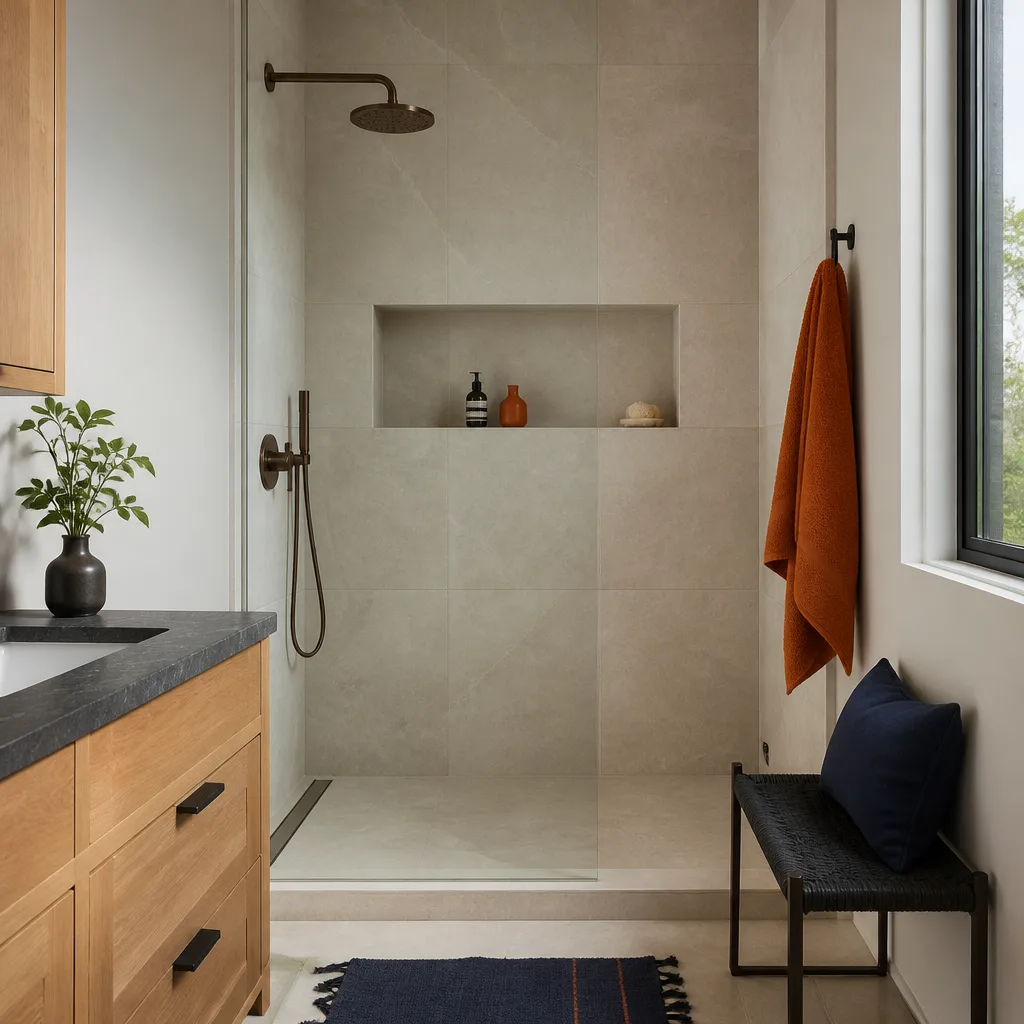
- Bathroom tile: Wall tile and backsplash. Shower pans and waterproofing are a different discussion; those failures don’t show up until they’ve done real damage.
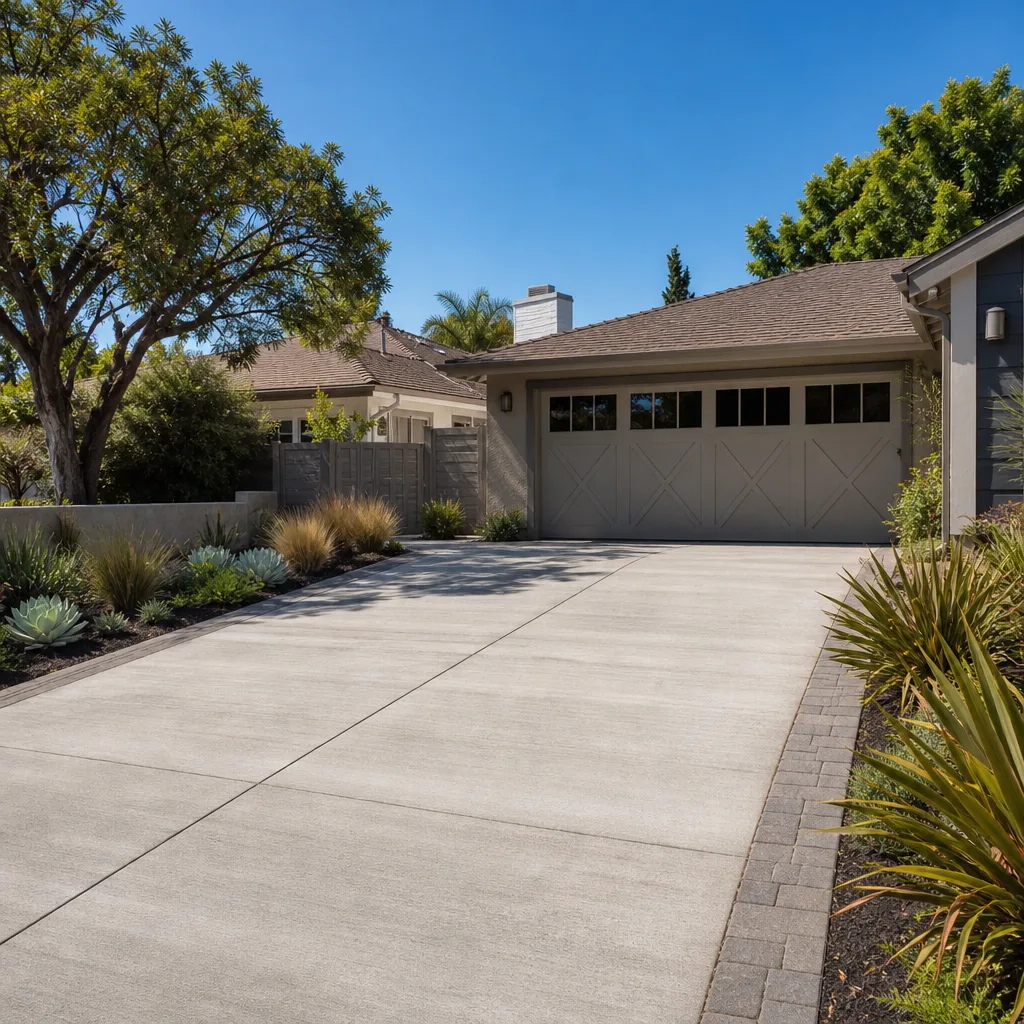
- Paver layout after a sub-base is set: Laying pavers over a properly compacted and leveled base is within reach for a patient homeowner. Getting the base right is where most DIY hardscape fails. Our driveway & pavers team handles that portion routinely, and it makes sense to keep the base with the people who install it daily.
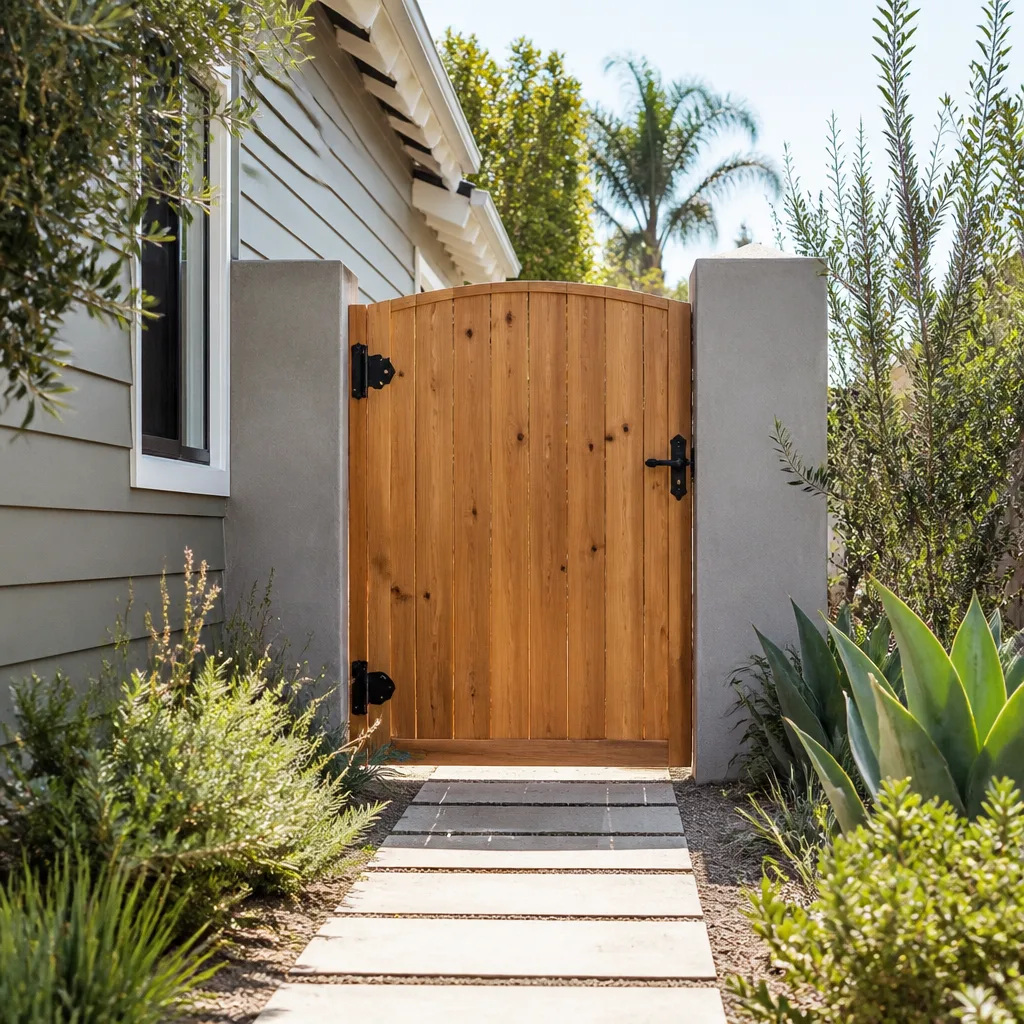
- Fence replacement with matching panels: If you’re swapping a single damaged section of a fence you already own, it’s a straightforward job. Full installations over uneven Concord lots are usually not. Our fence installation work includes lines from Jerith and Bufftech, and the material choice changes how forgiving the install is.
What those categories have in common: if the work is done imperfectly, you can see the problem, live with it, or redo it without opening a wall or calling an inspector.
The Failure Modes That Turn DIY Into Remediation
Most DIY projects don’t fail because the homeowner lacks the skill. They fail because the homeowner made a decision early that couldn’t be undone without tearing out work. Here are the failure modes we see most often, and what the remediation looks like.
- Waterproofing failures in a shower. A shower pan that loses its slope or a membrane with a compromised corner becomes a slow leak into the subfloor and the framing. Remediation means removing tile, replacing subfloor, and rebuilding the pan. That’s a full bathroom tile tear-out, not a patch.
- Framing errors that show up at inspection. A residential wall header sized wrong or a load path that’s been altered for a wider opening stalls the project at rough framing inspection. Remediation means an engineer’s letter, framing corrections, and re-inspection, which can take weeks on a project that was supposed to move quickly.
- Roofing that leaks at the flashings. Flashings at the chimney, the valleys, and the wall intersections are where homeowner-installed roofs fail. Every leak that penetrates the sheathing means decking replacement, and sometimes interior drywall repair. Roofing is the category where we most often see a homeowner regret a DIY attempt. If you’re roofing a Concord home, have a licensed roofer at least handle the flashings and underlayment.
- Permit abandonment. An owner-builder permit that’s never finaled becomes a sale-time problem, and in some cases requires opening up completed walls to inspect what’s behind them.
- Structural additions that never quite finish. A detached accessory structure or a garage conversion that stalls is the most expensive version of this failure. Our home additions & ADU work starts with a full scope and sequencing plan for exactly this reason.
The dollar damage varies project to project. The pattern doesn’t: the failures that hurt are the ones where the homeowner didn’t realize mid-project that the decision had already been made for them.
The Hybrid Approach: Self-Perform the Finish, Hire the Structure
The hybrid approach is how most experienced homeowners actually get value out of a project. You keep the finish work, where the labor hours are high and the skill bar is achievable, and you hand off the structural, permitted, and life-safety work to licensed trades.
Here’s how a hybrid project typically goes in Concord:
- Define the scope by risk level. Split the project into “recoverable if wrong” and “expensive to undo.” Structural, electrical, plumbing, gas, roofing, and envelope work go in the second pile. Paint, tile, trim, and finish go in the first.
- Have the licensed portion permitted and inspected before you start finish work. Framing, rough electrical, rough plumbing, and sheathing need to pass before the walls close. Doing this in the right order protects both of you.
- Coordinate material delivery with the finish timeline. Tile, flooring, cabinets, and fixtures need to be on site when the licensed trades clear the rough inspections. Delayed deliveries are the most common cause of a stalled hybrid project.
- Keep one licensed point of contact for the hand-off. When the general contractor knows they’re handing off to a homeowner at a specific stage, they’ll document the work so you can pick it up cleanly.
- Document the finished work. Take photographs of rough framing and rough mechanicals before they’re covered. You’ll want those records at sale time, and they cost nothing to keep.
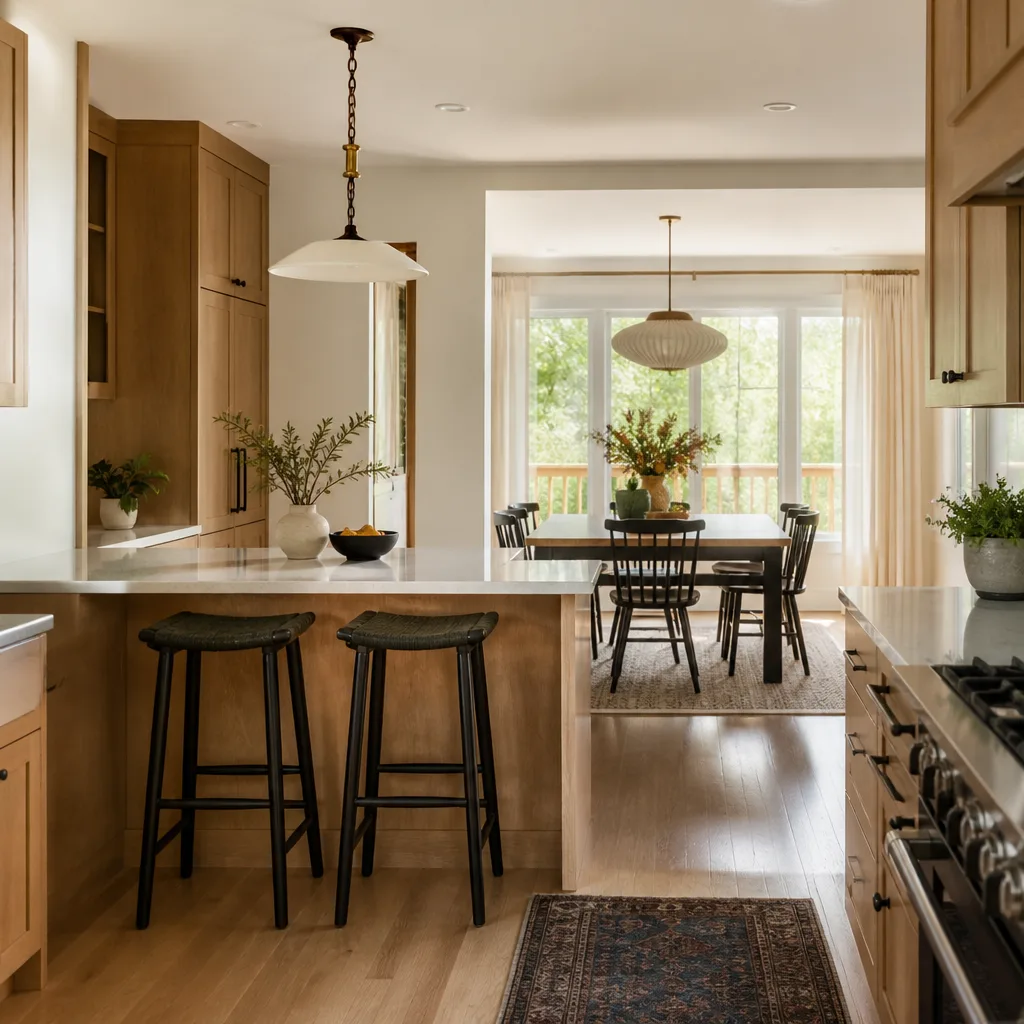
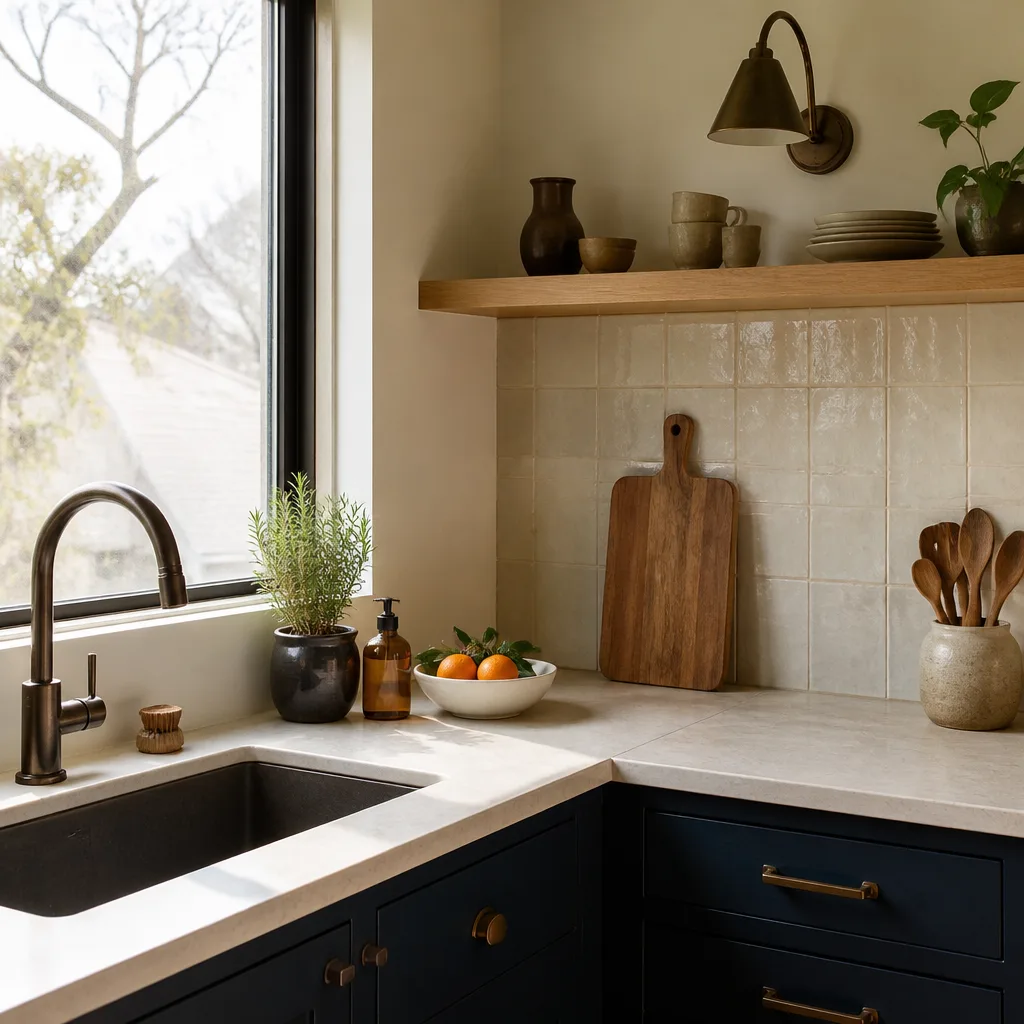
Hybrid works well for kitchens and bathrooms in particular, because the rough work is a small portion of the hours and the finish work is a large one. A kitchen renovation where the homeowner handles painting, hardware, and backsplash tile, but hands off electrical, plumbing, and cabinetry install, often saves real money without adding real risk.
We see this split work cleanly when it’s set up from the start. It gets messy when the split emerges mid-project, which usually means the licensed trades are already on site when the homeowner realizes the finish scope was bigger than expected.
Why a Single-Source Contractor Changes the Math
A single-source contractor changes the math on hybrid projects because the coordination cost is the part most homeowners underestimate. When you’re managing three trades on your own, the schedule conflicts add up fast, and every conflict costs you days you didn’t budget.
Construction Concord works across seven project categories under one contractor: driveway and pavers, fencing, home additions and ADU, bathroom remodeling, windows and doors, roofing, and kitchen remodeling. That means the licensed portion of a hybrid project can be coordinated as one scope instead of piecemeal. The advantages show up mostly in three places:
- Sequence is planned, not improvised. Framing, rough mechanicals, inspections, and finish work get scheduled against each other instead of each trade waiting on the last one to finish.
- Material choices are real choices. We work with name-brand manufacturers across every trade, so you’re choosing between product lines that fit the budget and the design, not working around whatever one supplier happens to carry. Cabinet lines like KraftMaid and Wellborn, countertops from Cambria, Silestone, and Caesarstone, roofing systems from GAF, CertainTeed, and Owens Corning, hardscape from Belgard, and fencing lines from Jerith, Bufftech, and ActiveYards. Those are examples of the depth of selection, not a full list.
- One point of accountability. If something goes wrong between trades, the answer is one phone number, not four.
For phased renovations in Concord, that coordination matters even more. A homeowner who wants the driveway done this year, the kitchen next year, and the bathroom after that benefits from a contractor who’s already seen the whole property and knows how to stagger the scope.
How to Vet a Contractor in Concord
Vetting a contractor is mostly about asking the right questions in the right order and paying attention to whether the answers are specific. Here’s the practical checklist we’d recommend for any Concord homeowner:
- Confirm the license. Ask for the contractor’s license number and verify it against the state’s licensing database before signing anything. Any legitimate contractor will hand it over without hesitation.
- Ask who’s pulling the permit. If the contractor says you should pull it yourself, ask why. Owner-builder permits are legal but they shift liability to the homeowner, which is usually not the right trade-off on a large project.
- Request a written, line-item estimate. A single number isn’t enough. Ask for the scope broken out by trade, with materials specified by manufacturer and line. If you’re comparing bids, the line-item breakdown is what makes them comparable.
- Ask about the sequencing. A contractor who can explain the order of inspections and the hand-offs between trades is one who’s done this before. A vague answer is a warning sign.
- Understand which warranties apply and which don’t. Manufacturer warranties on materials (cabinets, roofing, windows) sit behind the manufacturer. Workmanship questions sit with the installer. Both should be written down.
- Get the schedule in writing. A realistic start date and projected duration is one of the best indicators of how a contractor runs projects.
Our technicians have up to 12 years of experience, and the questions above are ones we expect to hear. If a contractor is reluctant to answer any of them clearly, that’s your sign to keep looking.
Common Mistakes to Avoid
- Treating the permit as the whole story. The permit is a step, not a plan. A homeowner who pulls the permit but hasn’t planned the sequencing of inspections is going to lose time regardless. In Concord, the plan review and inspection schedule is the part that most owner-builder projects underestimate.
- Self-performing shower waterproofing to save tile cost. Waterproofing mistakes don’t show up until months later, when the subfloor is already compromised. The remediation is a full bathroom tear-out and rebuild, which is a much bigger bill than the tile work would have been.
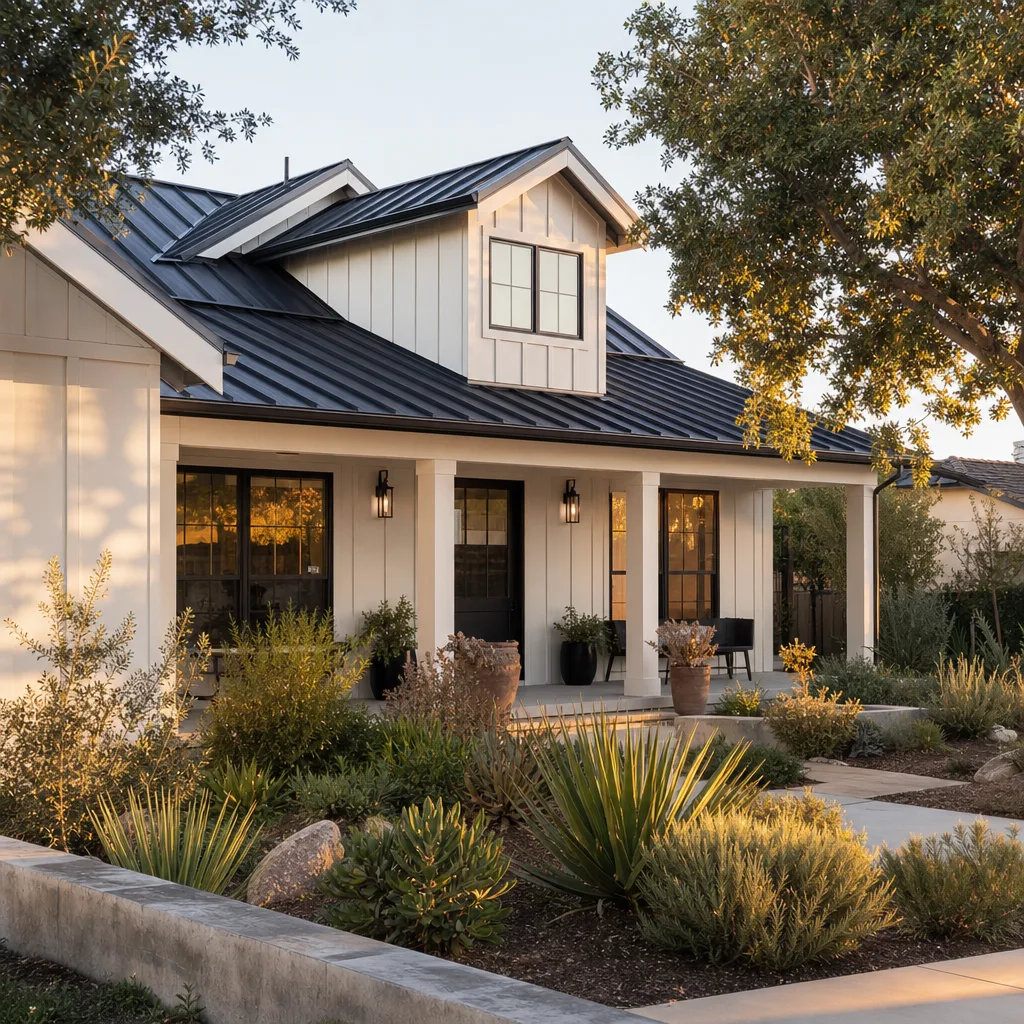
- Roofing on your own. Concord roofs fail most often at the flashings and the wall intersections, which is the part of the roof that’s hardest to inspect from inside. The fall risk plus the sheathing replacement cost makes this a category that rarely works out.
- Skipping the written line-item estimate. A verbal bid is not a bid. In a project with multiple trades, you need the scope broken out so you can see what’s actually included and what’s not.
- Changing scope mid-project. The most common cause of budget overrun on a hybrid project is a change order that wasn’t planned for. Decide the scope before the rough work begins.
- Forgetting to check setback and height rules for a new fence. Fence disputes with neighbors are, in practice, the most common Concord homeowner problem we hear about. Know your property line and your zone’s rules before any panels go up.
- Buying materials without confirming the installer’s plan. A homeowner who buys a tile they love without checking that the installer wants a specific substrate is setting up a callback. Buy the material with the installer’s guidance.
See the difference
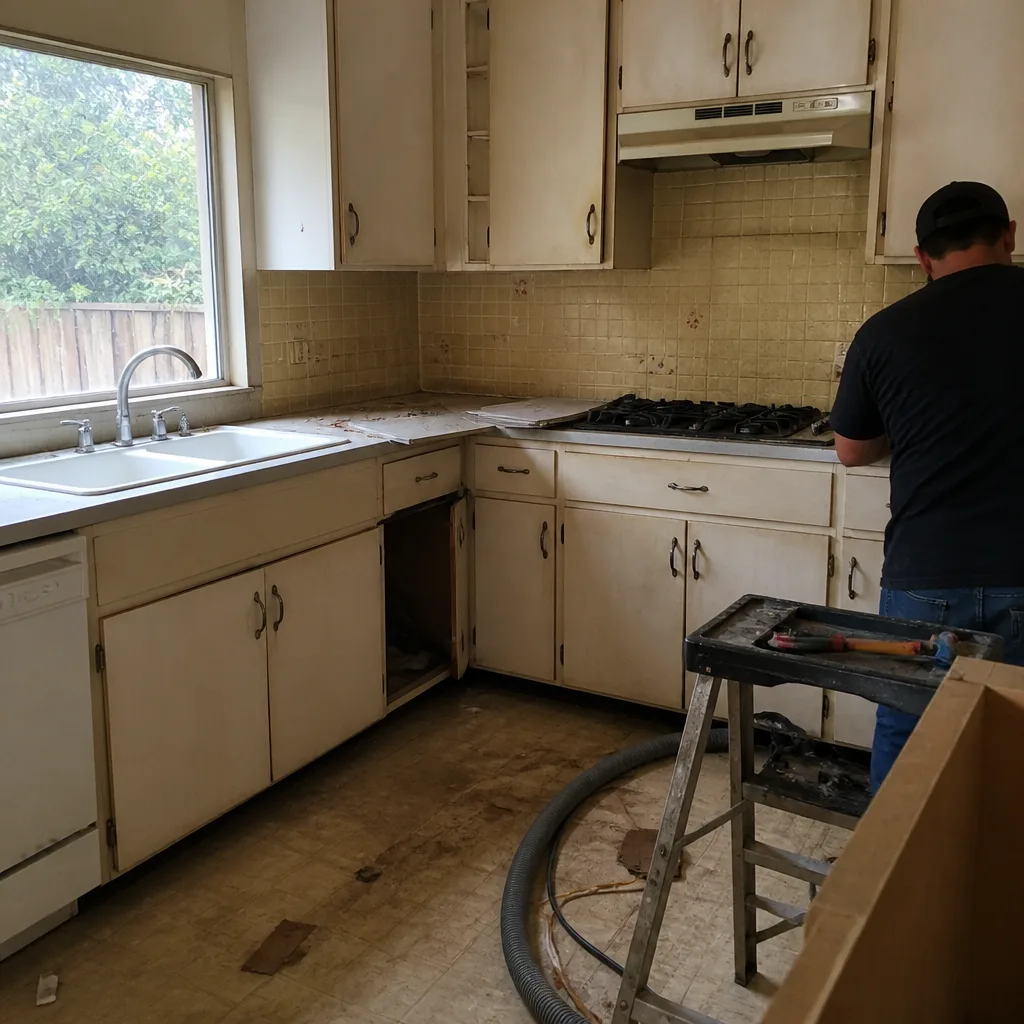 Before
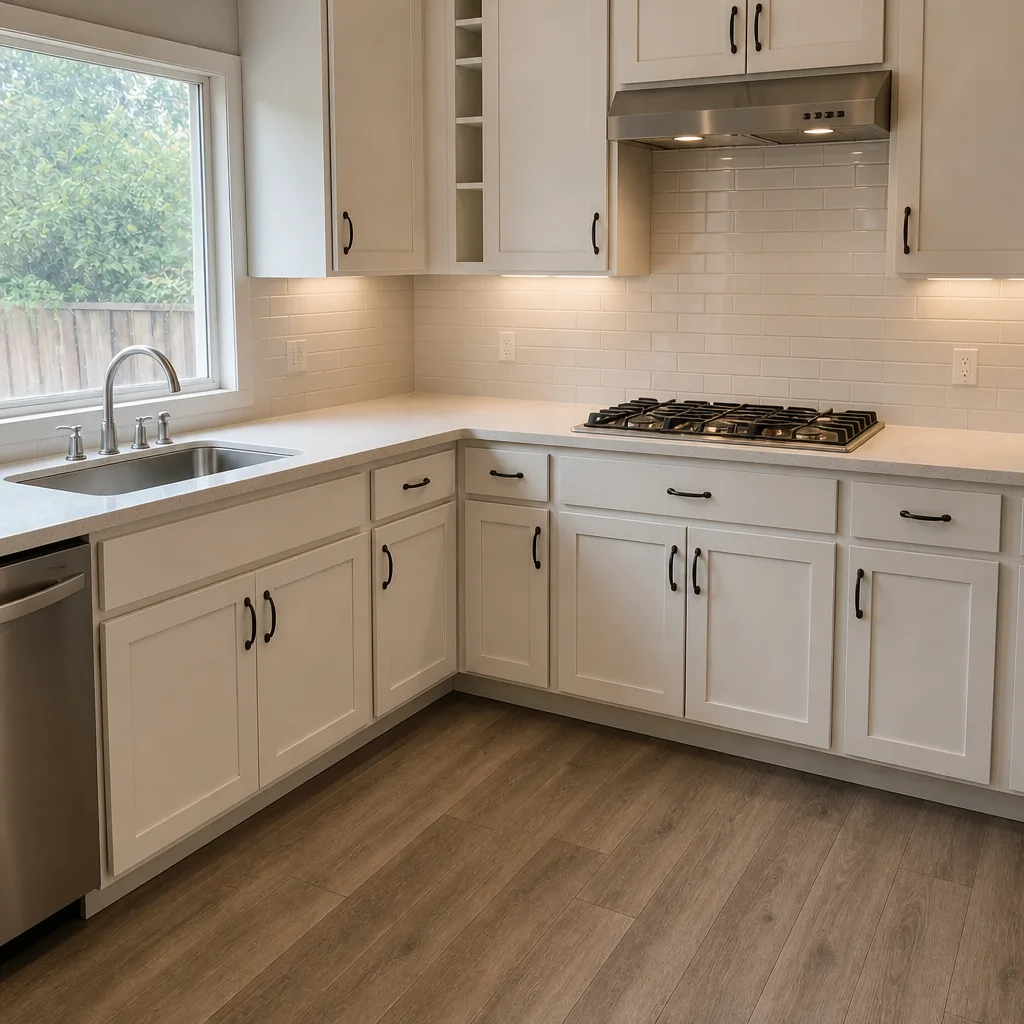 After
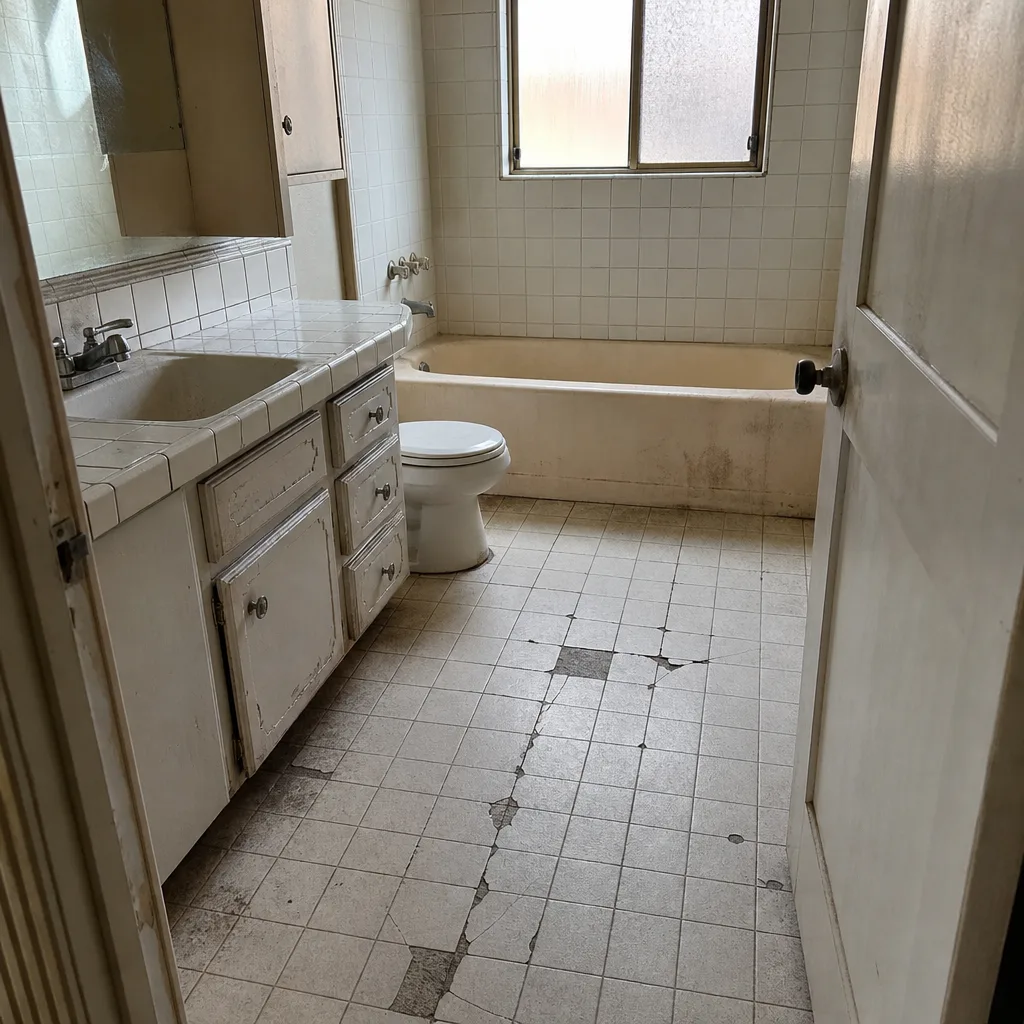 Before
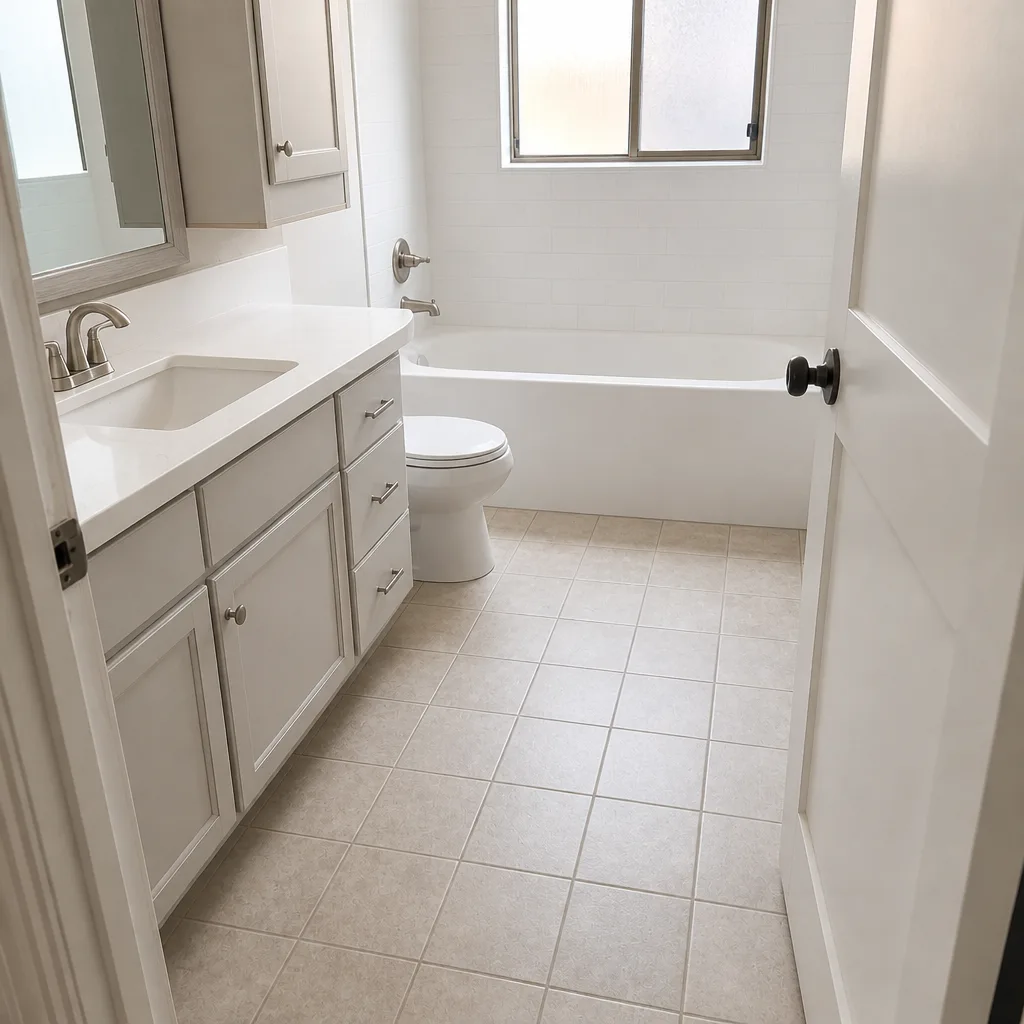 After
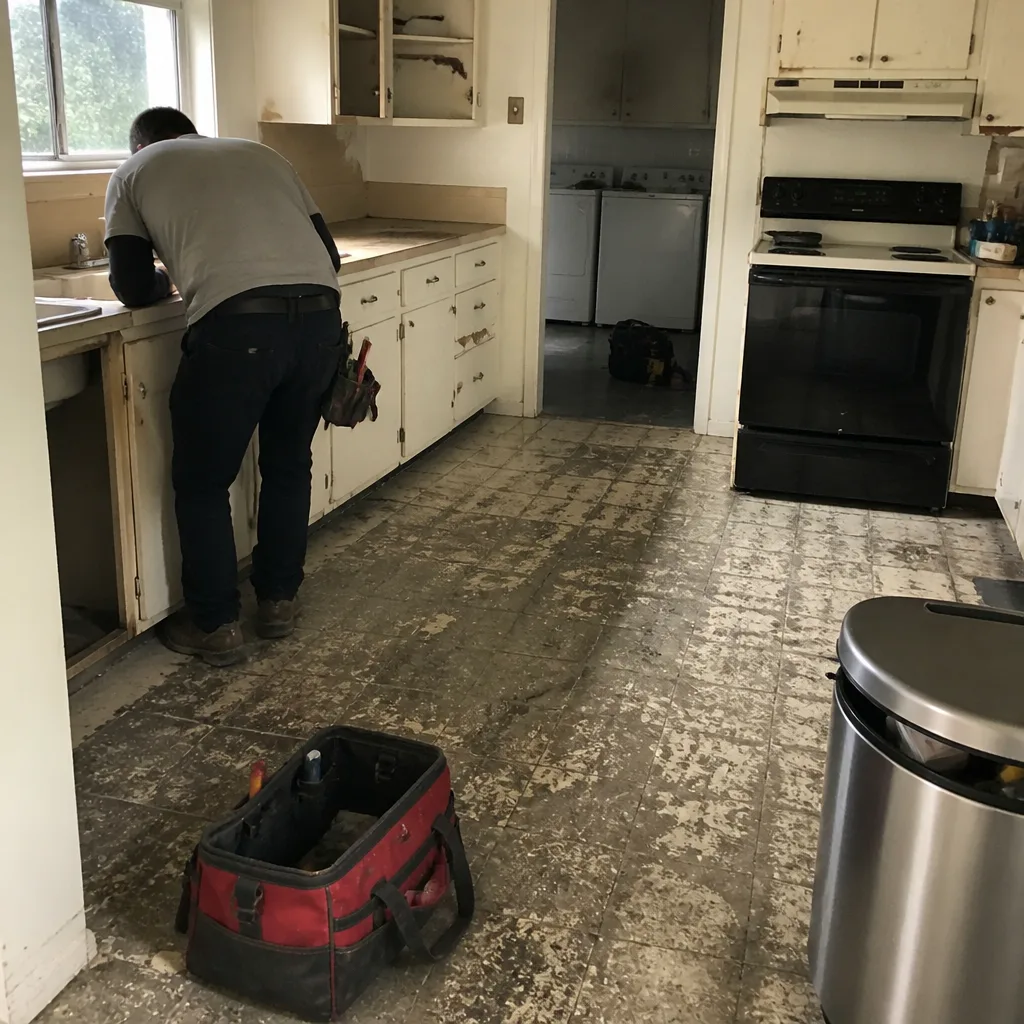 Before
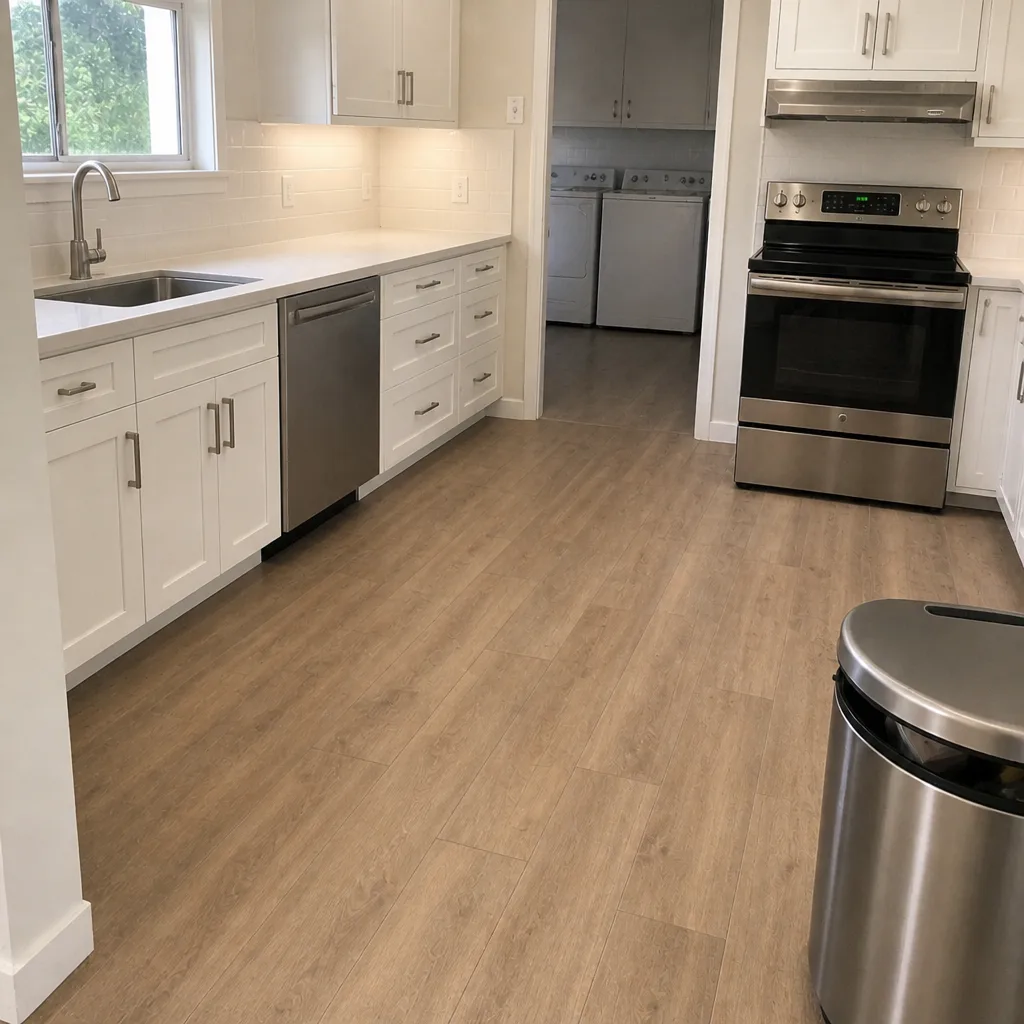 After
When to Call a Professional
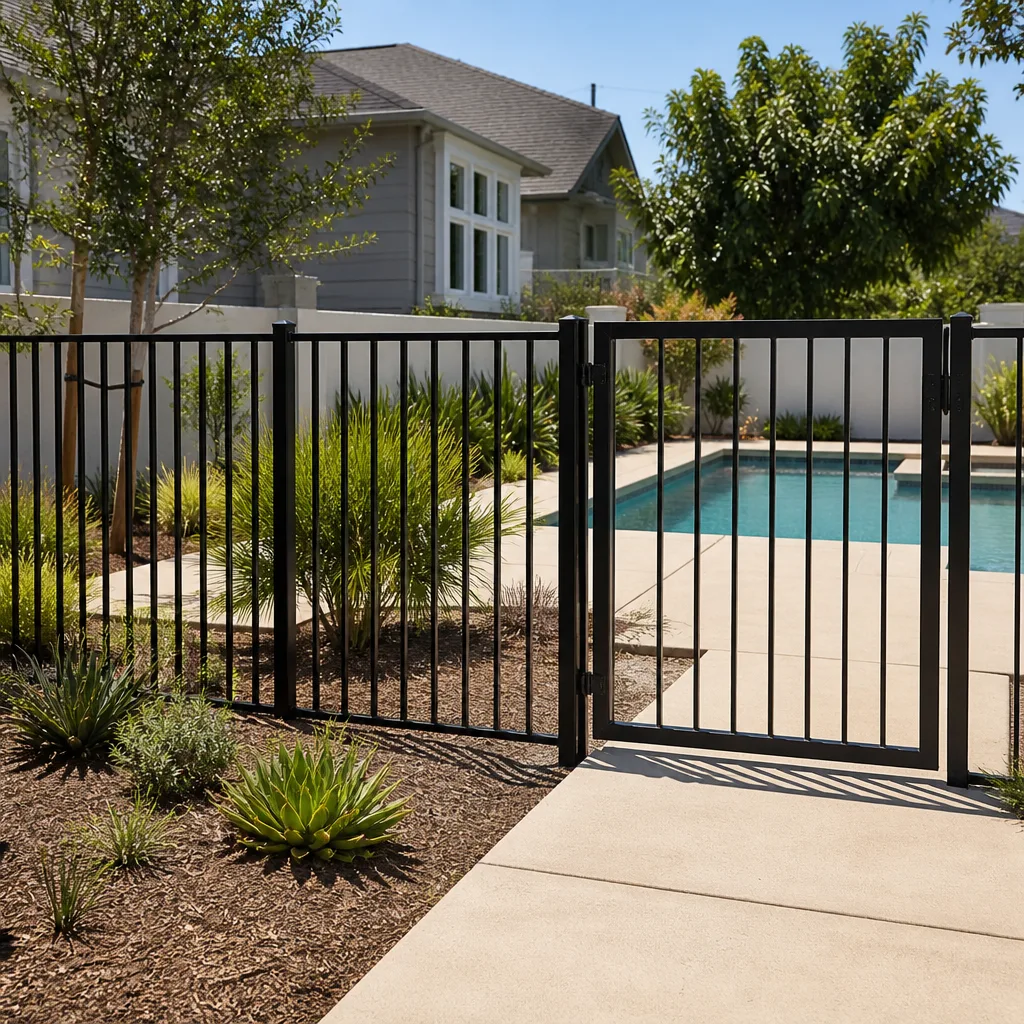
Call a professional when the work touches a permitted system, affects structural integrity, or sits behind a surface you’d have to break to fix. That means electrical, gas, plumbing rough-in, framing changes, additions, roofing, and window replacements on existing openings. Call a professional as well if the project involves work that must pass inspection and you don’t have a clear plan for the inspection sequence. And call a professional if the answer to “what happens if I get this wrong?” is anything more serious than cosmetic regret.
For the finish-level work, doing it yourself is a reasonable choice, and it often saves real money. The trick is honest self-assessment at the start. If you’re not sure where the line is for your specific project, a free estimate will give you a breakdown that makes the line obvious. Construction Concord offers free estimates in Concord, with a written line-item scope so you can see exactly what a licensed portion would include. Call (866) 611-9068. We answer 24/7. Fast dispatch from 7am to 7pm, Sunday through Friday.
Frequently Asked Questions
Yes. California allows an owner-occupant to pull an owner-builder permit and perform their own construction work on their own residence. The practical caveats are that the liability for the finished work sits with you, and that a failed inspection or an unpermitted addition becomes a sale-time issue. For structural, electrical, gas, and roofing work, most homeowners still choose a licensed contractor. Call (866) 611-9068 for a free estimate that shows you what the licensed portion would include.
Remediation is priced per job by the written estimate, because the range depends entirely on what failed and how much has to be opened up. A failed shower waterproofing that requires a tear-out is a very different scope than a framing correction at rough inspection. The most useful step is a free estimate with a line-item scope so you know what you’re facing. Call (866) 611-9068. We answer 24/7.
Partly. In Concord, the electrical, plumbing, and gas work in a kitchen or bathroom remodel should go to a licensed trade, and the permit requires a licensed contractor in most practical cases. The finish work (painting, tile, trim, hardware) is something a homeowner can legally self-perform. The hybrid split is the most common arrangement we see on residential kitchens and bathrooms. Call (866) 611-9068 to talk through which part of your project should be licensed and which can stay with you.
Legally, the owner-builder path exists, but in practice almost nobody carries an ADU through on their own. ADUs involve structural design, engineered plans, utility connections, multiple inspections, and a schedule that depends on multiple trades in sequence. The regulatory landscape in California also shifts frequently, and prefab systems are often the fastest path to a permitted unit. The hybrid split rarely works for ADUs because the finish work is small relative to the planning and structural burden. Call (866) 611-9068 for a free estimate on the licensed scope of an ADU project.
Unpermitted work discovered at sale or during a future permit review can create disclosure obligations and, in some cases, require the work to be opened up and inspected. The right first step is a professional assessment of what was done and whether it can be brought current. Our team can walk you through the options at a free estimate. Call (866) 611-9068. We answer 24/7. Fast dispatch from 7am to 7pm, Sunday through Friday.
Ask yourself two questions: does this work require a permit, and will a mistake be visible or hidden? Work that requires a permit and hides a mistake behind a surface (waterproofing, electrical rough-in, roofing underlayment, framing) is the combination that almost always costs more to undo than to do right. Work that requires no permit and shows its mistakes plainly (paint, trim, tile layout) is where DIY tends to be a good decision. If you’re not sure which side your project is on, get a free estimate and compare the scope. Call (866) 611-9068.
The Bottom Line
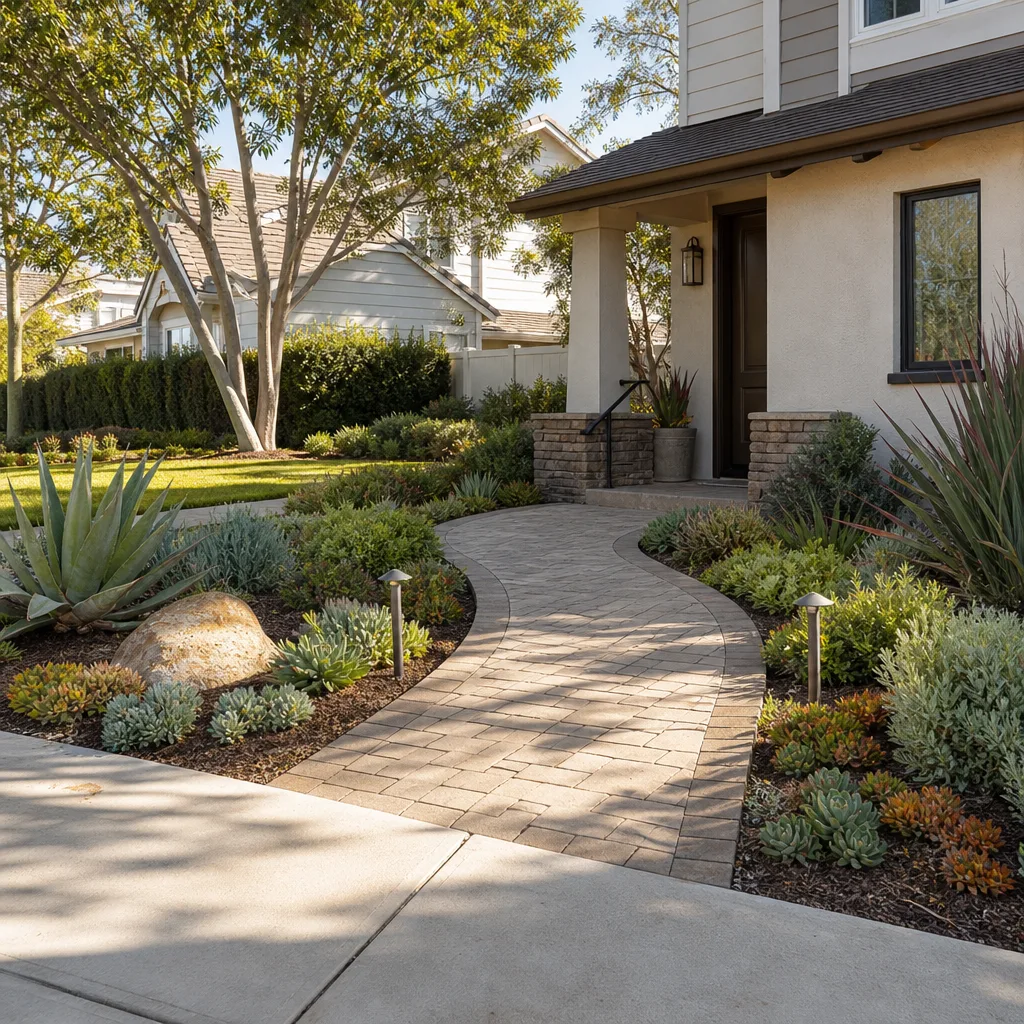
The DIY vs professional question in Concord isn’t really about skill. It’s about whether the work you’re about to do is recoverable if you get it wrong. Cosmetic, reversible, unpermitted finish work can be a great DIY project. Permitted, structural, or hidden work (electrical, gas, plumbing rough-in, roofing, framing, additions) is where the cost of a mistake goes past the point of recovery, and where a licensed contractor’s insurance and inspection history are doing real work on your behalf. The hybrid approach (self-perform the finish, hand off the structure) is the path that most Concord homeowners end up choosing for larger projects. If you want a written line-item comparison so you can see exactly where the line sits for your project, Construction Concord offers free estimates. Call (866) 611-9068. We answer 24/7. Fast dispatch from 7am to 7pm, Sunday through Friday.
Written by the team at Construction Concord.