Last updated November 18, 2026




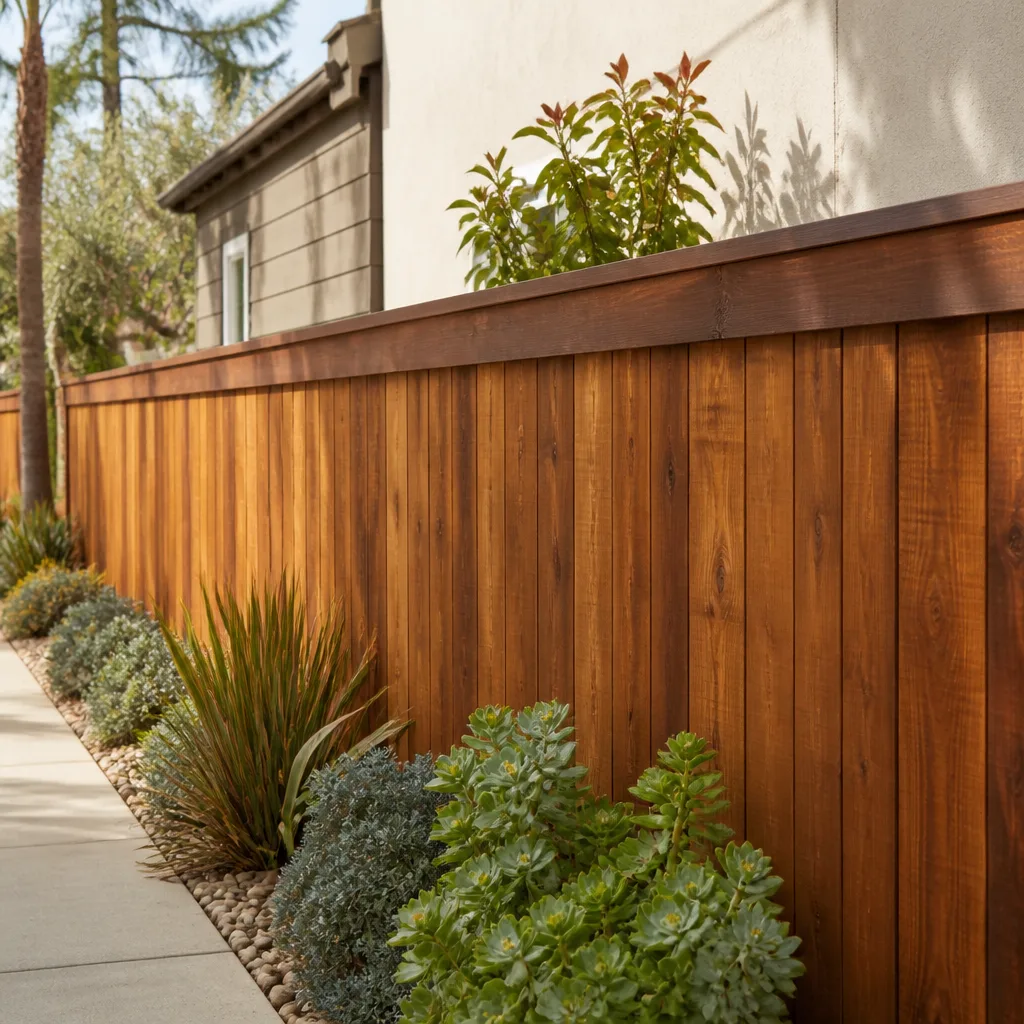

Free written scope consultation - allowances, timeline, and change-order rules on paper before a single trade is scheduled
Driveway & Pavers Troubleshooting in Concord: Common Problems and How to Fix Them
If your pavers are sinking in the same spot every rainy season, replacing them won’t fix anything. You have a drainage problem wearing a paver costume. We’ve walked Concord driveways where the blocks themselves were perfectly sound and the base beneath them had been slowly failing for years, and we’ve seen the reverse too, where a hard frost-free climate and a solid base let a fifteen-year-old driveway look almost new. The difference is almost never the paver. It’s what’s under it and where the water goes. This guide teaches you to read what your driveway is telling you: how to tell base failure from surface wear, what the repair sequence for sunken pavers actually looks like, where a partial fix is safe and where it accelerates failure, and which cosmetic problems are really moisture warnings. By the end you’ll be able to look at a failing paver driveway in Concord and know roughly what’s wrong before anyone touches it.
Quick Answer
Most driveway and paver problems in Concord trace back to a base failure or a drainage flaw rather than the pavers themselves, which means the fix is diagnosis first and repair second. Sinking that returns in the same spot each rainy season, sprawling cracks along the joints, and heaving at the edges all point to water sitting where it shouldn’t or a base that was too thin or too loosely compacted. Surface wear, random shallow chips, and staining are usually cosmetic. The costly mistake is replacing pavers over a failing base and expecting the problem to stay away.
Styles & brands we work with
- Kitchen remodeling
- Bathroom remodeling
- Home additions & ADU
- Roofing
- Windows & doors
- Driveway & pavers
- Fence
Table of Contents
- How to Diagnose What Your Driveway Is Telling You
- Base Failure vs. Surface Wear: The Diagnostic Checklist
- Why Joint Sand Washout Is the Warning Sign Most Homeowners Ignore
- The Repair Sequence for Sunken Pavers Over Clay
- When a Partial Repair Is Safe and When It Isn’t
- Oil Stains, Efflorescence, and Moss: Cosmetic or Serious?
- Cleaning Methods That Won’t Void a Manufacturer Warranty
- Preventing the Next Failure
How to Diagnose What Your Driveway Is Telling You
Start with a walk, not a guess. A driveway in Concord tells you a lot before you spend a dollar, because the pattern of the damage is the diagnosis. Water and gravity leave signatures, and they’re consistent. If a low spot collects after rain and the pavers around it settle the following week, the base under that section has lost support. If the sinking spreads a little wider each year, that’s progressive, and it means the underlying cause is still active. If the same chip reappears in a block that’s otherwise flat and solid, that’s the paver.
Look at three things on every pass: the pattern, the placement, and the season. Pattern tells you whether the damage follows the joints (base) or ignores them (surface). Placement tells you whether it’s a broad settlement or a single bad block. Season tells you whether the change coincides with the wet months, which is when drainage problems in Concord show their hand most clearly.
- Progressive and patterned: sinking follows the joints in a curve or a line, widens each rainy season, and returns after repair. Base or drainage.
- Random and shallow: isolated chips, surface scuffs, faded color in a worn traffic lane. Wear.
- Along the edges: heaving or lifting near the driveway entrance, the curb, or a lawn edge. Edge restraint or drainage.
- Across the whole slab: uniform drop over a large area, sometimes with pooling. Compaction or subgrade movement.
If you want to read more about the layers under the surface you drive on, our driveway & pavers page breaks down what a properly built driveway looks like from the subgrade up. The point here is simpler: your driveway’s symptom pattern is the first clue, and it points either at the paver or at what’s holding it.
Base Failure vs. Surface Wear: The Diagnostic Checklist
Homeowners often can’t tell the difference, and that’s understandable, because both can look like “my driveway is breaking.” But base failure and surface wear are not the same problem and they don’t get the same fix. A surface problem is a material question. A base problem is a structural one, and it will outlast any paver you put on top of it.
Base failure is progressive and patterned. It follows a shape, typically along the joints, in a curve or a line, and it comes back in the same place. It gets worse season to season. Surface wear is random and shallow: a chip here, a scuff there, faded color in the traffic lane. It doesn’t spread in a pattern, and it doesn’t return after a proper repair because the paver was the problem.
- The wet-season test. Note every low spot after rain. If the same spots return, the base is losing support.
- The joint test. Follow the joints. Damage that tracks the joints in a line is the base. Damage that stops at the block edge is the block.
- The edge test. Press on the pavers near a lawn edge or curb. Rocking or a hollow sound means the restraint or the base has loosened.
- The pooling test. Watch where water actually stands. Pooling within the driveway after rain means the slope isn’t draining.
- The probe test. A professional can lift a single paver and check the base directly. You can’t diagnose thickness or compaction by looking at the surface.
One more distinction matters in Concord: a base that thins out toward a driveway entrance or a side yard tends to behave differently than one that’s uniform, and the repair sequence changes with it. The pattern of failure usually tells you where a base was underbuilt before it tells you how to fix it.
Why Joint Sand Washout Is the Warning Sign Most Homeowners Ignore
Joint sand washout is the single most common early warning sign of impending paver failure in a climate like ours, and it’s the one homeowners almost always ignore. It doesn’t look dramatic. The joints look slightly deep, or you notice sand collecting at the bottom of the driveway after rain. But that sand is doing structural work: it locks the blocks together, distributes load, and keeps water from penetrating the base directly through the joints.
When the joints lose sand, three things happen in sequence. First, the pavers start to move slightly relative to each other, so the interlock loosens. Second, water gets into the joints and into the base beneath, and the base begins to lose compaction. Third, the pavers settle, the joints open wider, and the whole cycle accelerates. In Northern California’s wet-season rhythm, that first rainy stretch is when you’ll notice it most.
Joint sand washout has a handful of causes, and they’re worth knowing because the fix depends on which one you’re dealing with:
- Washed out by runoff: water flowing across the driveway during heavy rain carries the sand away. This points to a drainage design issue upstream.
- Washed out by cleaning: a pressure washer aimed straight at the joints will blast sand out. This one is self-inflicted and preventable.
- Settling with the base: if the pavers move, the joints open and the sand drains down into the gap. This is a symptom, not the cause.
- Wrong sand or missing restraint: a joint filled with the wrong material or missing an edge restraint loses sand faster than it should.
If you catch washout early and re-fill the joints before the paver movement sets in, you’ve bought real time. If you ignore it through two or three wet seasons, you’re funding a base repair instead of a sand top-up.
The Repair Sequence for Sunken Pavers Over Clay
Sunken pavers over a clay-heavy substrate are the classic Concord failure, and they fail for a reason. Clay doesn’t drain. Water collects on top of it, softens the base material above, and slowly lets the whole assembly settle. The temptation is to lift the pavers, add sand, and put them back. That fix works for about one rainy season. The correct repair sequence is specific, and skipping any step causes the relapse.
Here’s the sequence a proper repair follows. It looks slow because it is, and the sequence is the point:
- Lift the affected pavers. Carefully, so they can be reused if they’re sound, and only the section that’s actually moving.
- Inspect the base directly. Look at the depth, the compaction, and whether the clay subgrade is saturated or intermixed with the base material.
- Regrade so the water has somewhere to go. Correct the slope toward a drainage point, or add a drainage solution if the section has nowhere to shed water.
- Recompact the base in layers. The base has to be brought back to a consistent compacted depth before the pavers return. A single thick lift of new base won’t compact correctly.
- Reinstall the pavers on a properly set bedding layer. Consistent thickness, tight joints, edge restraints in place.
- Re-fill the joints with the correct sand and compact the whole area. The finished assembly is what locks it together.
Skipping step three or four is where most of the relapse comes from. You’ve improved the surface and left the water doing what it was doing. That’s why we treat the sequence as a single job rather than a set of options. If you’re planning a repair and want to understand the layers involved, our Construction Concord overview is a useful starting point for how a hardscape project is scoped.
When a Partial Repair Is Safe and When It Isn’t
A partial repair is safe when the affected section is genuinely isolated and the base around it is sound. It’s unsafe when the problem is progressive, and it’s actively harmful when the adjacent sections are already on their way. The difference is structural, not cosmetic, and it’s the reason a partial fix sometimes makes things worse.
The safe case looks like this: one section of pavers is settling because of a local cause, such as a single poorly supported spot, a downspout that drains onto one area, or a small low point that pools water. The rest of the driveway is flat, the joints are tight, the edges are stable, and there’s no pattern spreading outward. In that case, lifting and repairing that section, correcting the cause, and re-laying is a complete fix.
The unsafe case is a symptom of a broader failure. If the sinking is progressive and follows a line, it’s likely the base under the adjacent sections is also compromised, even if the surface still looks fine. Repairing only the visible section creates a hard boundary between a recompacted area and a loose one, and water will tend to concentrate at that boundary. The adjacent section then starts moving faster than it would have if you’d left the whole thing alone.
- Safe partial repair: isolated, local cause; sound base and stable edges around it; correctable water source.
- Unsafe partial repair: progressive sinking; patterned cracks that continue past the visible damage; pooling that has no drainage outlet; settled sections in more than one place.
- The tell: if a neighbor’s driveway in the same block, over the same base, is failing in the same pattern, the problem is the base design, not a single section.
When a partial repair is questionable, the honest answer is usually a larger scope, and the honest way to decide is a free estimate that includes a look at the base. We’d rather tell you the scope you need than patch a section that fails next season.
Oil Stains, Efflorescence, and Moss: Cosmetic or Serious?
Not every mark on a paver driveway is serious, but the ones most homeowners ignore are the ones worth reading. Oil staining is cosmetic. Efflorescence is usually cosmetic but sometimes a moisture signal. Moss growth is cosmetic on the surface and a moisture warning underneath, and that distinction matters in a Concord wet season.
Here’s how to sort them:
- Oil staining: cosmetic. A car leak or an engine spill sits on the surface of the paver. It’s a stain, not damage, and it doesn’t reduce structural integrity. Clean it with the right product and it fades.
- Efflorescence: a white, powdery bloom that comes from salts in the paver or the base moving to the surface as moisture evaporates. On a dry paver with no other symptoms, it’s cosmetic and common. If it keeps reappearing, it’s telling you water is moving through the assembly, which points back at the base or drainage.
- Moss and algae: cosmetic on the surface, but it grows where the surface stays damp. Growth concentrated in shaded, low, or poorly drained spots is a moisture warning. Growth at the base of a retaining wall or along a shaded edge is worth checking for a drainage cause.
Efflorescence is the one homeowners most often misread. It’s not a sign the pavers are failing, but recurring bloom is a sign that water is getting into the assembly and evaporating out through the surface. That’s the moisture path you want to interrupt, and it usually runs back to the base and the slope.
Cleaning Methods That Won’t Void a Manufacturer Warranty
What you do to clean a paver driveway can help it or hurt it, and with name-brand paver lines the cleaning method matters for the warranty. A manufacturer warranty covers product defects, not damage from an aggressive cleaning method, so the ways you wash a driveway can quietly take you outside the coverage.
The short answer: clean with the right approach for the stain, and avoid the shortcut. Pressure washing at high pressure aimed straight at the joints is the classic mistake, because it blasts out the joint sand and starts the washout cycle described earlier. That’s damage to the installation, not a product fault, and no warranty covers it. A softer pass across the surface, with the right cleaner for the stain type, keeps the joints intact.
The right method per problem:
- General dirt and dust: a soft wash or a low-pressure rinse across the surface, then let it dry.
- Oil stains: a paver-safe degreaser applied to the stain, allowed to dwell, then rinsed carefully. Never scrub hard enough to abrade the surface.
- Efflorescence: a specific efflorescence cleaner, applied to the bloom, rinsed without driving water into the joints.
- Moss and algae: a surface-appropriate cleaner or a soft brush, then a careful rinse. Repeated growth means treat the moisture cause, not just the moss.
If the pavers came from a name-brand line – Belgard, Unilock, Techo-Bloc, Tremron, or Cambridge Pavers, for example – ask for the cleaning guidance that goes with that product before you use a strong chemical or a pressure washer, because the brand’s own recommendation is what keeps the warranty intact. When we specify pavers for a Concord home, we match the product line to the way the surface will be used and cleaned, not just the way it looks on day one. A hardscape supplier’s guidance is a better guide than a generic YouTube method.
Preventing the Next Failure
Prevention comes down to the two things that cause most failures in the first place: base and drainage. Get those right and a paver driveway in Concord lasts a long time. Get them wrong and any repair is temporary.
Start with the base. Compacted in layers, at the right depth, with a stable subgrade beneath it. On a clay-heavy site, that means accounting for how clay holds water and making sure the base isn’t sitting in a bathtub. Next, design the drainage so water has somewhere to go before it reaches the driveway: gutters that discharge away from the surface, a slope that sheds water to the street or a drainage point, edge restraint that keeps the assembly in place.
- Keep the joints full. A top-up of joint sand after the wet season is cheap and it’s the best protection against the settlement cycle.
- Watch the gutters and downspouts. Water discharged onto the driveway undermines the base. Route it away.
- Watch the edges. Loose edge restraint is the start of a progressive failure. Fix it early.
- Avoid pressure-washing straight down into the joints. It’s the most common self-inflicted washout.
- Look at the pattern after each rainy season. Progressive sinking that returns is the cue to check the base, not to replace pavers.
If you’re planning a new driveway rather than repairing one, the same two rules apply from the first shovel, and it’s worth understanding how the subgrade and slope get designed for your specific lot. Our team works with the major paver manufacturers so the product matches the site conditions, but the base and drainage still do the structural work. That’s the difference between a driveway that lasts and one that repeats the same repair.
Common Mistakes to Avoid
- Replacing pavers over a failing base. The new surface looks great and the same sinking returns within a season. The base was always the problem.
- Filling sunken sections with sand and calling it done. It looks level for a few weeks. It doesn’t correct the slope or recompact the base, so the water does the same thing again.
- Pressure-washing straight into the joints. The quickest way to start the joint sand washout cycle, and it’s damage you caused rather than a product fault.
- Ignoring washout through the wet season. Joint sand that disappears is an early warning. Treating it as cosmetic is how a small top-up becomes a base repair.
- Patching a progressive failure with a partial repair. A hard boundary between a fixed section and a loose one concentrates water at the edge and speeds up the next failure.
- Letting a downspout discharge onto the driveway. One of the most common local drainage causes, and one of the easiest to correct before it costs a base repair.
- Cleaning with a strong product without checking the brand’s guidance. On a name-brand paver line, the wrong cleaner or method can take you outside the warranty coverage.
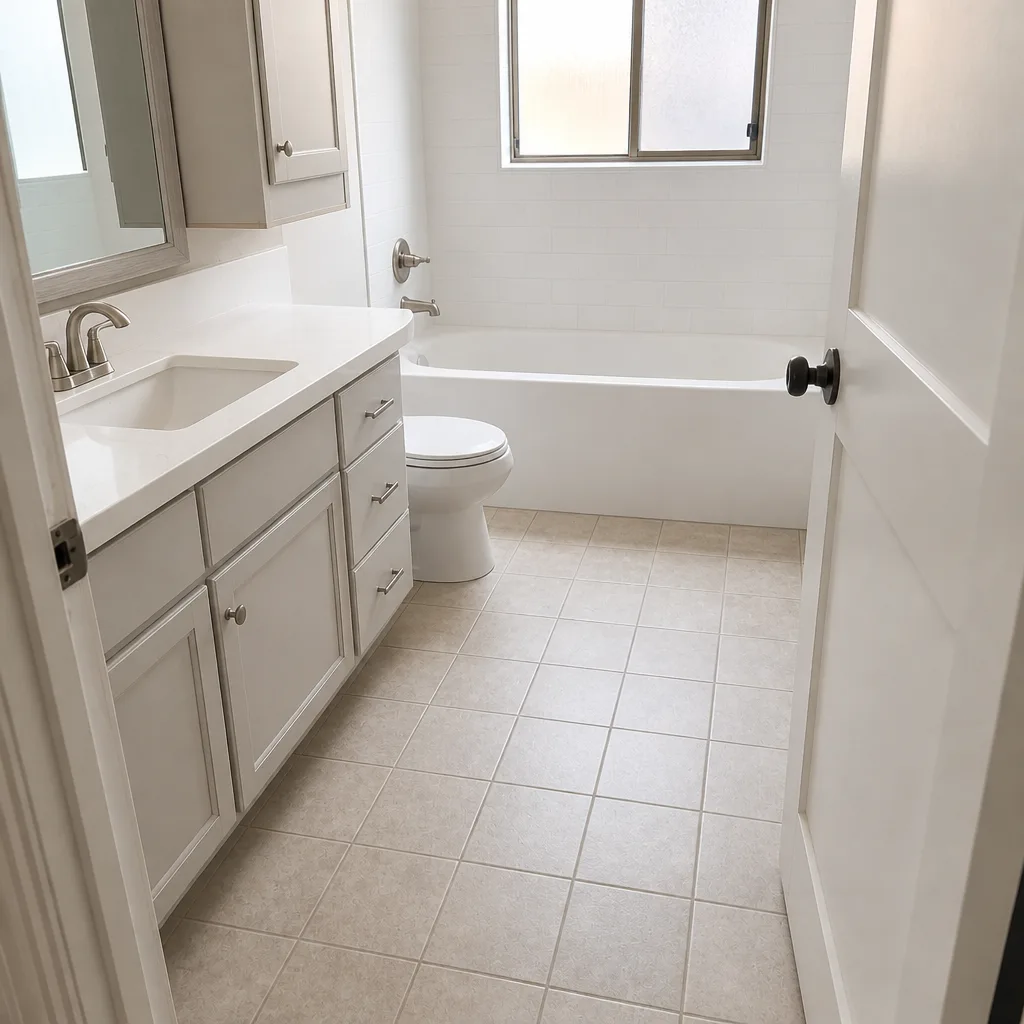
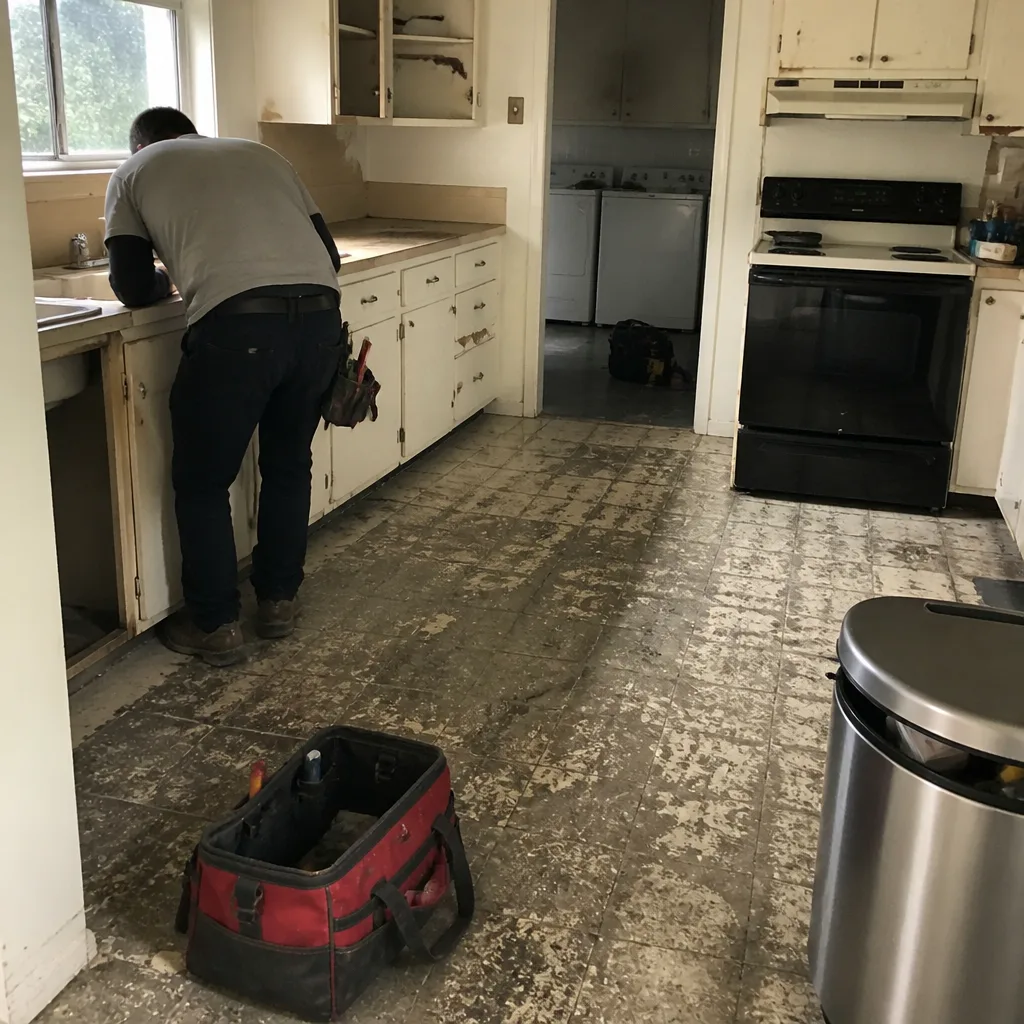
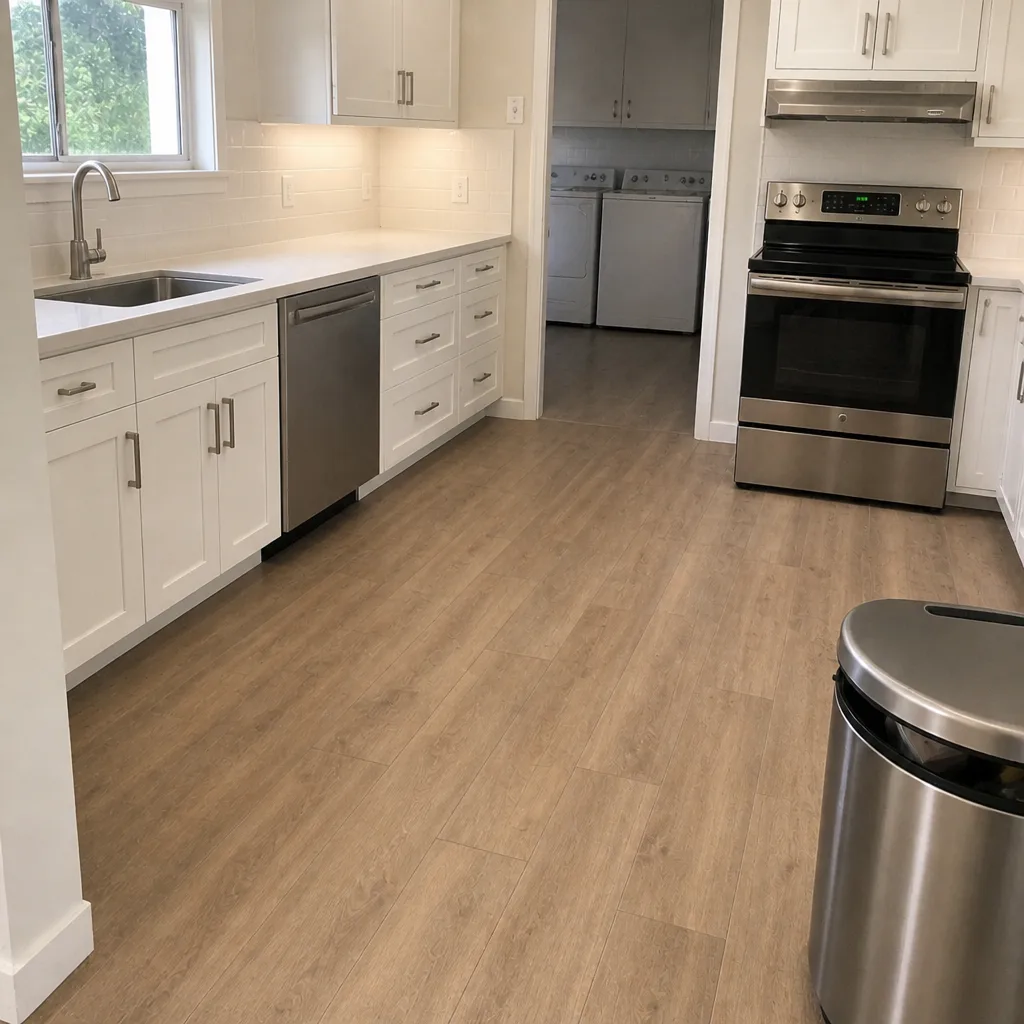
See the difference
 Before
 After
 Before
 After
 Before
 After
When to Call a Professional
Some paver problems are genuinely diagnosable from the surface, and some aren’t. Call a professional when the sinking is progressive and patterned, when the same spot returns after repair, when pooling has no drainage outlet, when the edges are rocking or lifting, or when you’re seeing settled sections in more than one place. Those point to the base and the slope, and they need a direct look at what’s under the pavers rather than another surface fix. The same goes for any large cleaning or restoration project on name-brand pavers, where the wrong method risks the warranty.
Construction Concord offers free estimates in Concord – call (866) 611-9068. We answer 24/7, and fast dispatch runs 7am to 7pm, Sunday through Friday. The written estimate tells you what’s actually failing and what the repair involves, so you’re deciding on the real problem rather than the symptom. If the scope turns out to be bigger than a section, that’s information you want before you spend money, not after.
Our technicians have up to 12 years of experience reading base failures, drainage design, and paver installation, and the brands we specify – Belgard, Unilock, Techo-Bloc, Tremron, and Cambridge Pavers – come with manufacturer-backed product lines. That matters for cleaning guidance and warranty coverage, and it matters for the pavers you’d reinstall over a corrected base. If the same visit includes a broader hardscape plan, or you’re weighing a fence installation to screen the driveway edge, we can look at both at once and coordinate the scope. Homeowners who plan to add a structure near the driveway sometimes need a home additions & ADU review for the same reason: one coordinated look at the site is better than three separate opinions.
Frequently Asked Questions
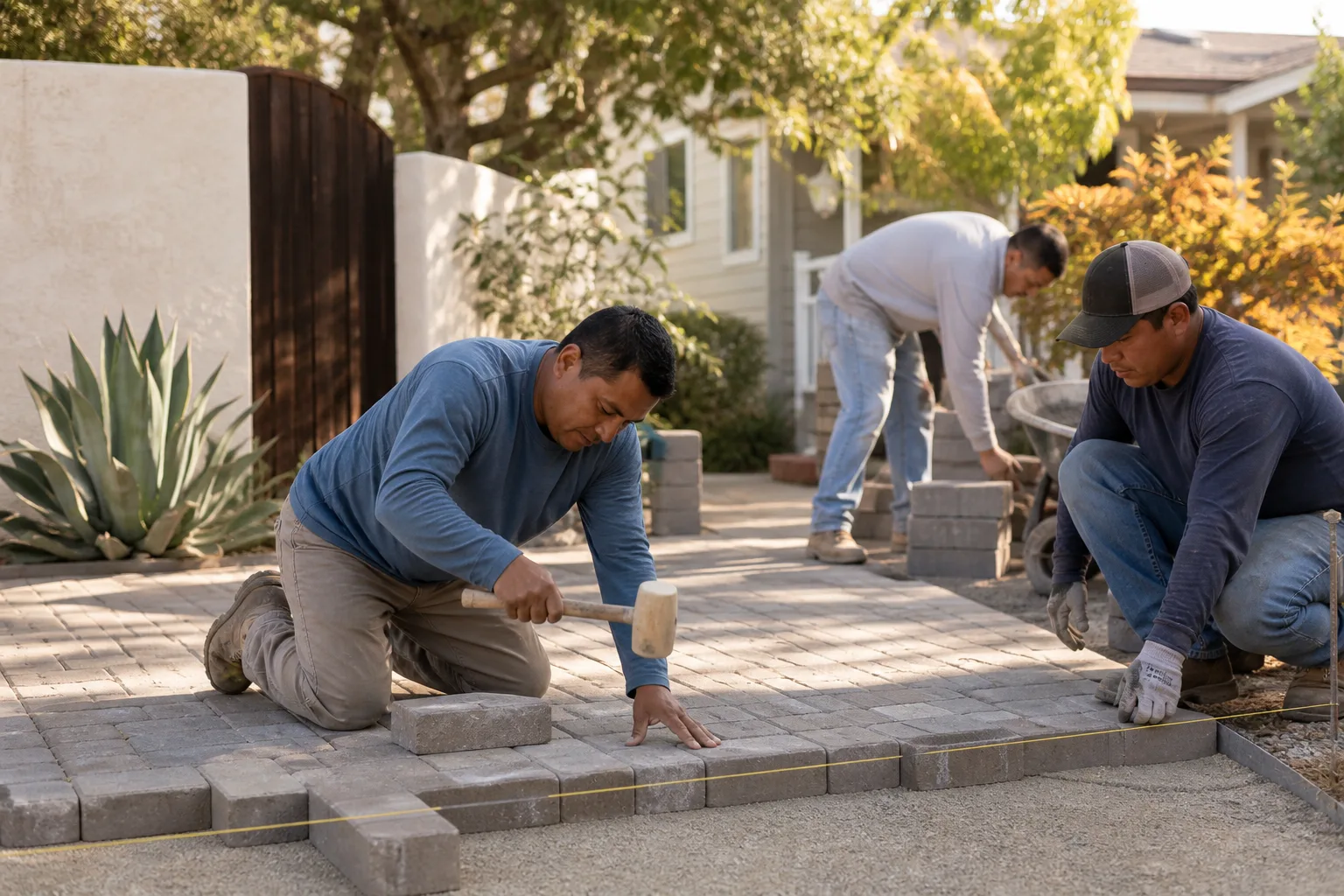
Driveway paver repair in Concord is priced per job from a written estimate, so there’s no single number without looking at the failure. The cost depends on how much of the base needs correcting, whether drainage work is needed, and how many pavers can be reused. The written estimate sets the final price, and the estimate itself is free. Call (866) 611-9068 to schedule one and get a scope for your specific driveway.
When the estimate is written after a proper diagnostic look at the base, the price you’re quoted is what you pay for that scope. The scenario that changes a price is discovering more base failure than the surface suggested, which is why the estimate includes looking at the base directly. If anything found during the job changes the scope, we talk about it before the work continues. Call (866) 611-9068 for an estimate.
Sometimes a section repair is the whole job, and sometimes it isn’t. A section repair is safe when the cause is local and the surrounding base is sound. It isn’t safe when the sinking is progressive or when the same pattern shows up elsewhere, because a hard boundary between fixed and loose sections can accelerate the next failure. The free estimate answers which case yours is. Call (866) 611-9068 to schedule it.
Because the cause is drainage, not the pavers. Water collects over a saturated or insufficiently compacted base each wet season and the assembly settles, then appears to reset when the ground dries. Replacing the pavers leaves the water doing the same thing. The fix is correcting the slope and drainage, recompacting the base, and reinstalling. Call (866) 611-9068 for a free estimate that includes a look at the base.
Not always, but it’s worth reading. Moss grows where the surface stays damp, so growth concentrated in shaded, low, or poorly drained spots is a moisture warning. Growth spread evenly over a whole driveway in normal conditions is more likely surface dampness. If it keeps returning in one area after cleaning, check the drainage. Our team can look at it with the estimate. Call (866) 611-9068.
Whether a permit is required depends on what the work involves and how your city’s building department classifies it, so the honest answer is to check before work starts. Surface repairs and paver re-setting often don’t require one; work that changes drainage, grade, or the structure under a driveway can. We ask the question as part of planning the job. Call (866) 611-9068 to talk through your project.
The Bottom Line
Most driveway and pavers problems in Concord aren’t paver problems. They’re base and drainage problems showing up through the pavers, and the fix follows a sequence: diagnose the pattern, correct the slope and the base, then reinstall and refill the joints. Skipping a step brings the problem back. Joint sand washout is the early warning that most homeowners ignore, and reading it correctly is what separates a cheap top-up from a base repair. Partial repairs work when the cause is local and fail when it’s progressive. Oil stains are cosmetic, recurring efflorescence and moss are moisture signals, and the right cleaning method keeps a manufacturer warranty intact. If you’re unsure which kind of failure you’re looking at, that’s exactly what a free estimate is for.
If your driveway is showing any of the warning signs in this guide, a look at what’s actually happening under the surface is the next step. Construction Concord offers free estimates in Concord: call (866) 611-9068. We answer 24/7. Fast dispatch from 7am to 7pm, Sunday through Friday.
Written by the team at Construction Concord.