
ES Windows Driveway & Pavers in Concord: A Homeowner’s Guide
ES Windows replacement in Concord usually comes down to installation, not the product. A window rated for exceptional thermal performance can still fail its energy promise if the rough opening isn’t properly flashed, and that’s a contractor coordination problem, not a product defect. If you’d rather hand the whole exterior job to one team, call (866) 611-9068.
The title of this guide pairs a window brand with a hardscape category, and that’s not a typo. Concord homeowners replacing windows and redoing a driveway or paver patio in the same stretch of work run into the same coordination question: who owns the seams between products? Windows sit in walls. Pavers sit against foundations. Siding, stucco and trim sit between them. Get the order wrong and you’ll be paying for it long after the last box is unpacked.
Key Takeaways
- ES Windows products meet California fenestration requirements on paper; whether they meet them in your wall depends on flashing, sealing and sequencing.
- Older Concord homes from the 1960s through the 1980s often hide framing and water damage behind the old window frame.
- Window installation must come before exterior finish work, not after.
- A single contractor coordinating windows, stucco and pavers beats three specialists working from separate schedules.
- Warranty language in ES Windows products assumes a qualified installation. Verify your contractor meets that bar before signing.
What “Title 24 Compliant” Actually Means for ES Windows in Concord
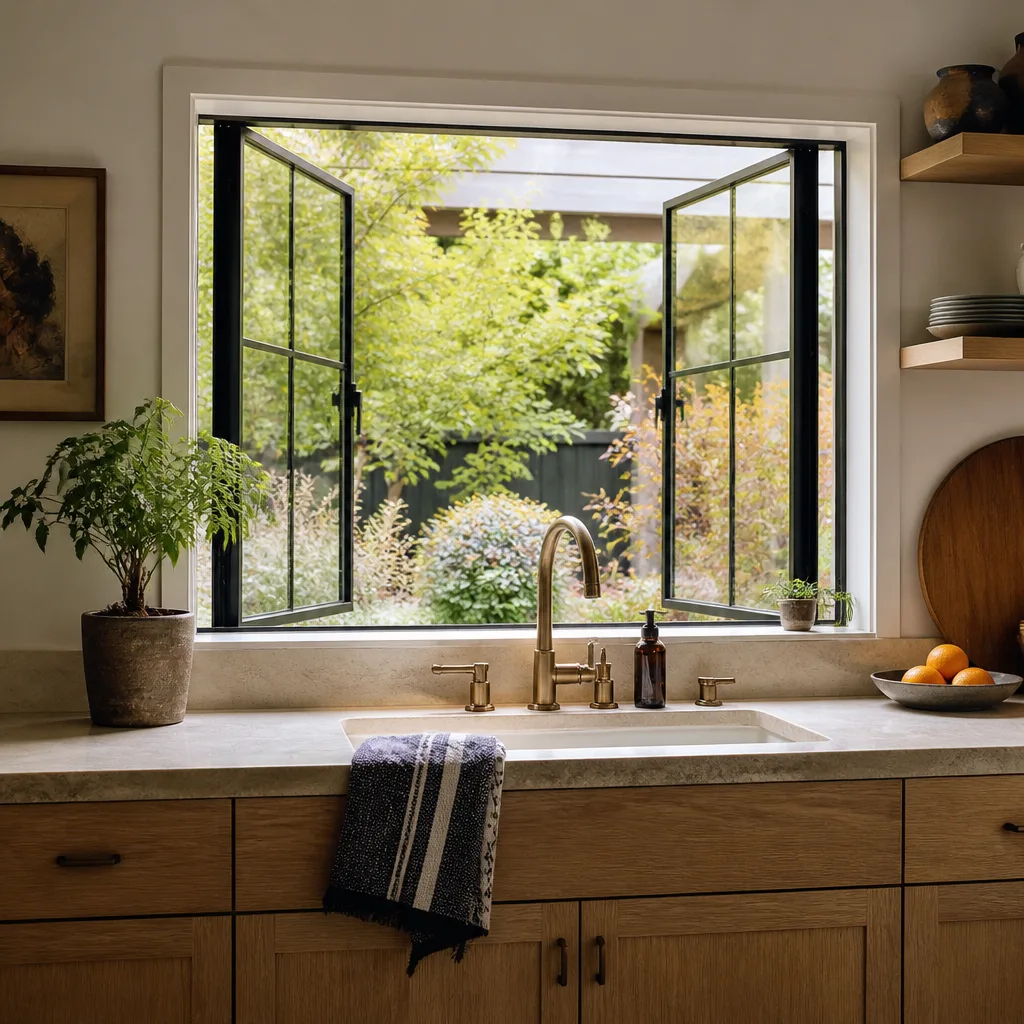
Title 24 compliance means a window assembly meets California’s energy code for the climate zone it’s installed in. It’s a whole-assembly requirement, not just a glass rating. The frame material, glazing package, spacer and installation all count, and a product that passes in one zone may need upgrades in another. Concord sits in a climate zone where solar heat gain and winter heat loss both matter, so the right ES Windows line for your home depends on orientation, not just product tier.
Here’s what that means in practice:
- It’s not a single sticker. Compliance is documented per assembly, and the paperwork should match what actually goes into your wall.
- Orientation matters. A west-facing window takes far more solar load than a north-facing one, and the glazing choice should reflect that.
- Product line selection is not one-size-fits-all. ES Windows offers multiple systems, and some configurations clear current residential requirements without additional upgrades while others need a different glazing option.
- The installer’s part counts. Code compliance assumes correct installation. No product certification survives a poorly flashed opening.
In our experience, homeowners spend hours comparing U-factors and solar heat gain coefficients and almost no time asking how the opening will be flashed. That’s backwards. The number that determines your actual energy bill is the one your house writes after the wall closes up, and it reflects air sealing as much as glass.
Why Older Concord Homes Uncover Problems Before Windows Go In
Window replacement in a Concord home built between the 1960s and 1980s frequently uncovers framing rot, deteriorated flashing and water damage that has to be repaired before any new window goes in. The old window is often holding back a problem the homeowner never saw. This isn’t a scare tactic; it’s what happens when you remove a component that’s been part of a wall assembly for forty or fifty years.
The typical sequence on an older home looks like this:
- The old window and frame come out.
- The rough opening gets inspected for rot, soft framing, and water staining.
- Any damaged framing is sistered or replaced.
- The opening is re-flashed and air-sealed.
- The new ES Windows unit is set, shimmed and anchored.
- Exterior finish work closes the wall back up.
Steps two and three are where budgets move. A homeowner budgeting for windows alone can find themselves staring at a framing repair that adds days to the schedule. That’s the honest reality of working on older housing stock in Concord, and the right time to find out is during the site walk, not after the old window is sitting in the truck.
We’ve seen this go smoothly when the contractor prices the repair work as part of the same written scope instead of treating it as a surprise change order. That’s the main argument for a full-scope partner rather than a window-only specialist.
Sequencing: How Windows, Stucco, Siding and Pavers Interact
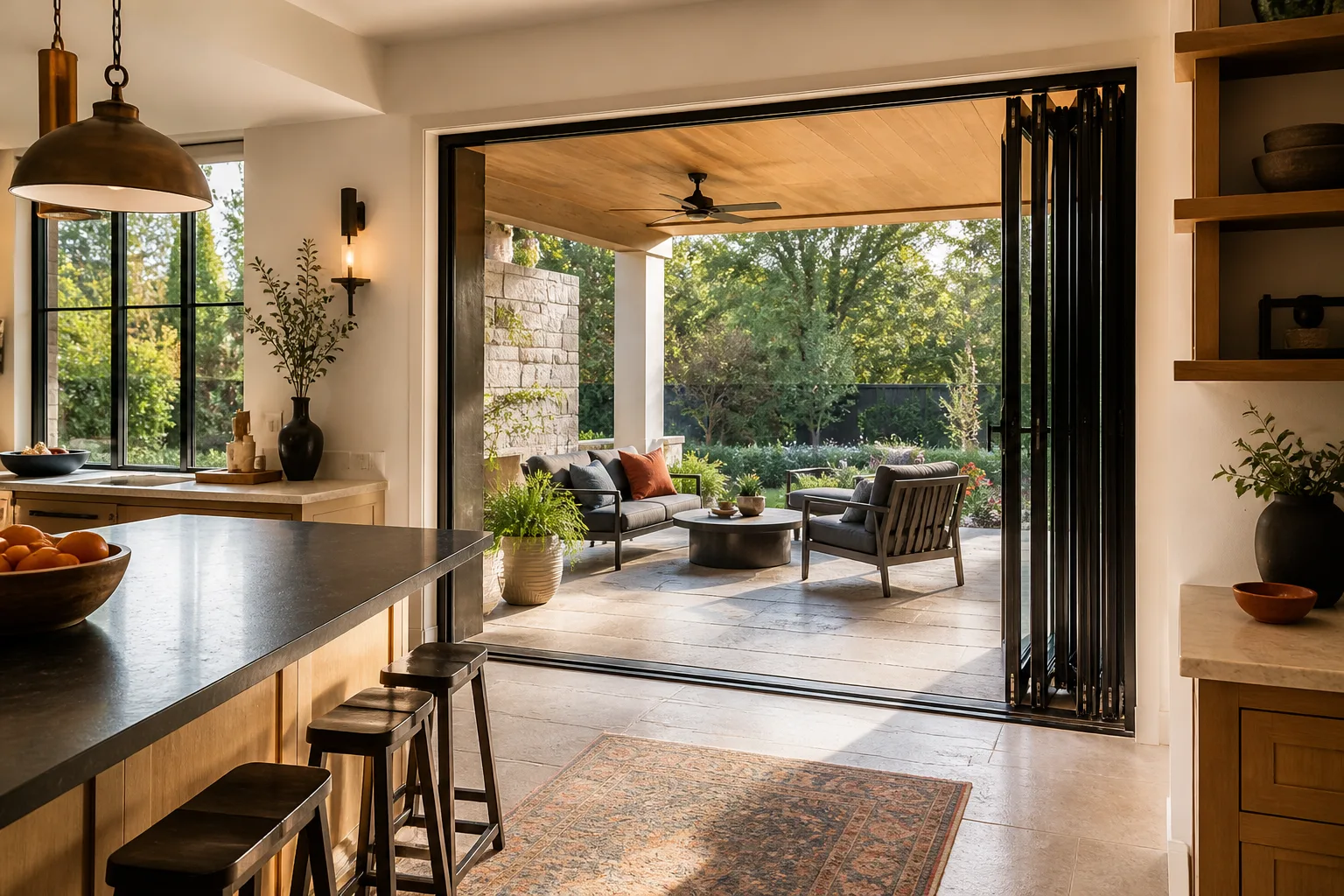
Windows go in before exterior finish work, and pavers go in after the finish work around the foundation is done. Get that order wrong and you create long-term moisture intrusion risk. This is the single most overlooked part of an exterior project in Concord, and it rarely shows up until the first wet winter.
The correct order for a combined window-and-hardscape project:
- Windows first. Rough openings get flashed, and the window unit is set and sealed.
- Exterior finish second. Stucco, siding and trim close over the window flanges and flashing, creating the drainage plane.
- Grading and drainage third. Soil and slope are corrected to move water away from the foundation.
- Pavers last. Base prep, compaction and the paver surface go down once the wall above is finished.
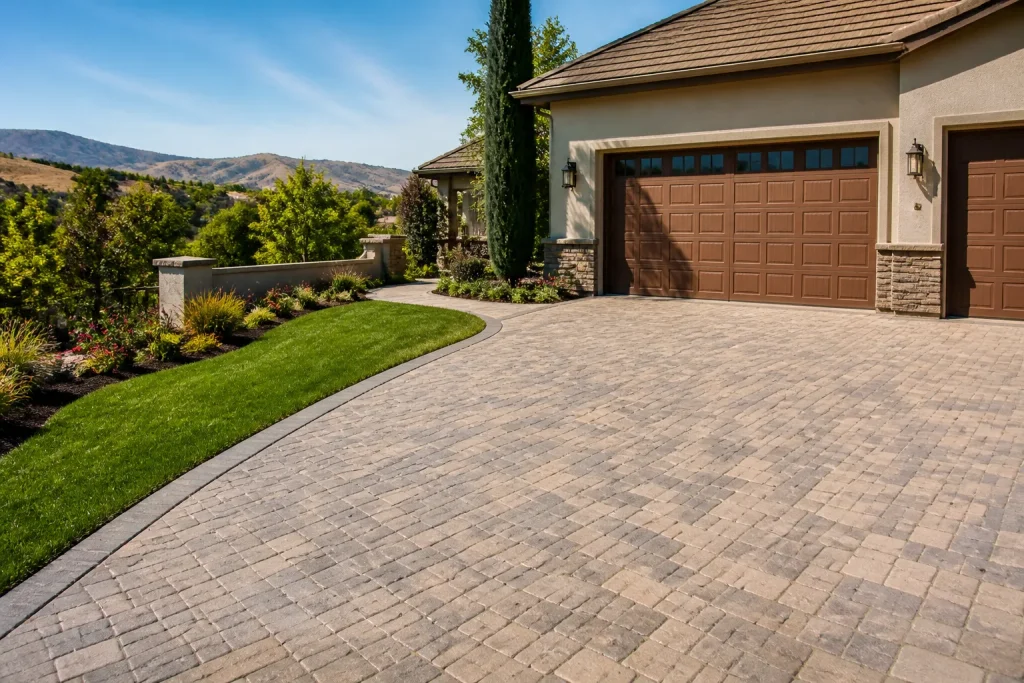
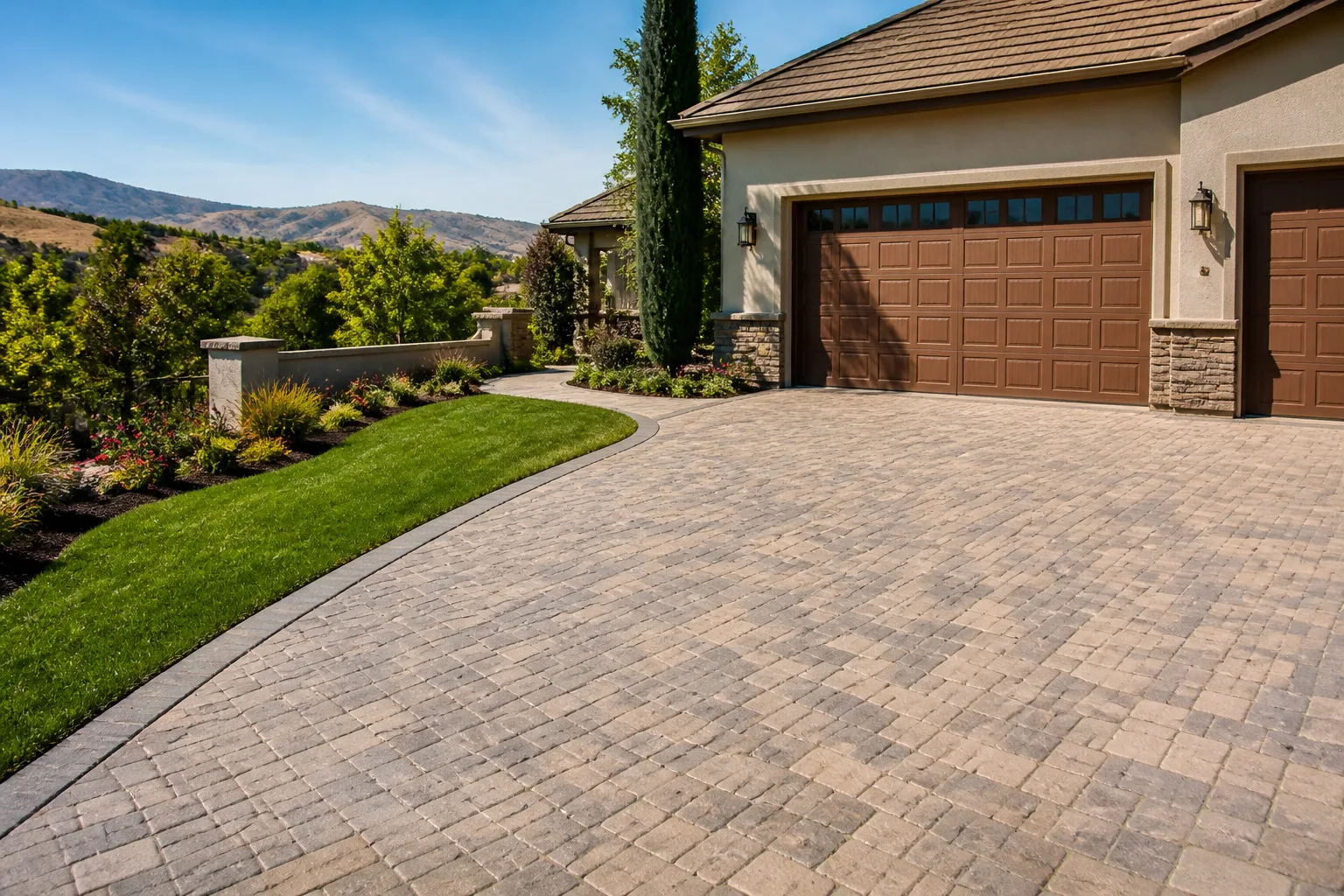
Pavers installed against a wall whose stucco hasn’t been finished yet leave an open seam at the base of the wall. Water gets behind the pavers, sits against the foundation and finds its way to the sill plate. This is why the pavers and the windows need to be in the same conversation.
When we coordinate a project like this, the sequencing is one schedule with one point of accountability. When three specialists own three schedules, someone always shows up early and seals a wall that has to be reopened two days later.
The Coordination Advantage of a Single Contractor
Windows and adjacent exterior work on the same property should be coordinated by a single contractor if you want a clean result and one warranty conversation. The reasons are practical rather than philosophical.
Windows, stucco repair, trim, grading and a paver driveway all meet at the same wall base and the same rough openings. If the window installer seals an opening and the stucco contractor shows up three weeks later, no one owns the seam. If the paver crew cuts the base course tight against a wall that later gets re-stuccoed, the wall now has to be patched at a joint the paver crew set. Every one of these handoffs is a place where moisture gets in and where the finger gets pointed.
A single contractor, by contrast, holds the sequence, the flashing detail and the finish transitions in one scope. That’s what we mean when we say one contractor, every layer of your home. It also means the pavers, the windows, the fence and any future addition talk to the same set of records.
There’s a bonus: when the same team is managing the exterior, it’s easier to stage work across seasons. Windows can be done in one pass, pavers in another, without the two fighting each other for access.
What ES Windows Warranty Language Actually Requires From Your Installer
ES Windows warranties assume installation by a qualified contractor following the manufacturer’s written instructions. That’s the standard clause, and it’s the one that matters. A product warranty covers the product. It doesn’t cover the opening, the flashing, the stucco repair or the water damage that follows a bad seal.
Before you sign, ask your contractor to walk you through these four points:
- Which ES Windows system they’re specifying and why for your home’s orientation and window type.
- How they flash and air-seal the rough opening, and what flashing material they use.
- Who handles the exterior finish after the window is set, and whether that finish is in the same scope.
- What the written warranty covers (product, labor, flashing, finish) and which party stands behind each piece.
If the answers come back vague on flashing and finish, that’s a signal. Product quality is easy to verify. Installation quality lives in the scope document, and that’s where a homeowner should focus.
When to Call a Pro
Replacing a single window on a ground floor interior wall is a reasonable DIY project for someone comfortable with framing and flashing. On a project involving multiple ES Windows units, exterior finish repair, or paver work against the foundation, the cost of getting the sequence wrong far exceeds the savings. Call a pro when the project touches the weather barrier, when you’re replacing more than two or three windows, or when the exterior surface around the window is stucco or siding that has to be re-detailed.
If you’d rather have one team own the windows, the finish and the hardscape, we can put the scope together in one estimate. We answer 24/7, and fast dispatch runs from 7am to 7pm, Sunday through Friday.
Related services in Concord: learn how our driveway & pavers team sets base and coordinates with exterior finish work, or see the full scope of what we handle as a Construction Concord partner.
The Bottom Line
ES Windows products are engineered for thermal performance. Whether that performance shows up on your energy bill depends on flashing, sequencing and finish work, and those are contractor responsibilities rather than product features. On older Concord homes, expect a proper site walk to uncover some framing and water damage behind the old frame. Plan for it, budget for it, and put windows and adjacent exterior work in the same scope so the seams are someone’s job.
We’ve worked with enough homes in Concord to know the difference between a window replacement that passes inspection and one that actually keeps the heat out. If you want one contractor coordinating the windows, the stucco and the pavers, get a written line-item estimate first. If you’re in Concord and need help, Construction Concord offers free estimates – call (866) 611-9068. We answer 24/7. Fast dispatch from 7am to 7pm, Sunday through Friday.
Frequently Asked Questions
ES Windows offers multiple product lines, and some configurations meet California’s current residential fenestration requirements without additional upgrades while others require a different glazing option for your climate zone. The right answer depends on window orientation and product tier. A qualified contractor should be able to specify the correct system for each opening. Call (866) 611-9068 for a free estimate that spells out which system applies to your home.
Often yes, especially in homes built between the 1960s and 1980s. Removing the old window exposes the rough opening, and rot or water damage behind the old frame has to be repaired before a new unit goes in. The repair cost should show up as a line item in the written scope, not as a surprise after the window is out. Call (866) 611-9068 and we’ll walk the openings with you before you commit.
Windows go in before exterior finish work, and pavers go in after the stucco, siding or trim around the foundation is finished. Reversed, the pavers can be laid against an unfinished wall, which leaves a seam where water gets behind the surface. Sequencing this correctly is one reason to coordinate both scopes with a single contractor. Call (866) 611-9068 for a free estimate that maps the correct order.
The ES Windows product warranty covers the product itself. It does not cover the rough opening, flashing, exterior finish repairs or water damage from a poor installation. Ask your contractor to put the flashing method, finish repair and warranty coverage for both product and labor in writing. That written warranty language – and a signed scope that matches it – is the one you rely on if something goes wrong. Call (866) 611-9068 to get the scope in writing before you sign.
Written by the team at Construction Concord.
Need Construction Help?
Call Construction Concord - licensed & insured, here with fast help in Concord.
(866) 611-9068