Last updated November 18, 2026
Free written scope consultation - allowances, timeline, and change-order rules on paper before a single trade is scheduled
The Complete Driveway & Pavers Guide for Concord Homeowners
Most driveway failures in Contra Costa County don’t start at the surface. They start six inches underground, in a base layer that was never built for the clay soil underneath it. A new driveway can look perfect for two winters and then start to crack, heave, or sink at the edges, and by the time the cracks show up the real problem is already buried. This guide is about getting that buried layer right. We’ll walk through how Concord’s expansive clay behaves, which pavers actually suit our hot summers and wet winters, what the city and local HOAs ask for on front-yard hardscape, and how to plan slope and drainage before you pick a single material. You’ll finish with a realistic framework for choosing, installing, and maintaining a driveway in Concord that holds up.
Quick Answer
The right driveway material for a Concord home depends less on looks than on what’s underneath: our clay-heavy soil (Vertisols) swells and shrinks with the seasons, so pavers need a deeper, better-compacted aggregate base than a standard spec assumes, plus drainage planned before material selection. Get the base and slope right and concrete pavers, travertine, permeable pavers, or asphalt can each last for years in Concord. Get them wrong and even premium pavers fail early.
Styles & brands we work with
- Kitchen remodeling
- Bathroom remodeling
- Home additions & ADU
- Roofing
- Windows & doors
- Driveway & pavers
- Fence
Table of Contents
- Why Concord’s Clay Soil Changes Everything
- How Deep Should the Base Be in Concord?
- Comparing Driveway Materials for Concord’s Climate
- Slope and Drainage: Plan Before You Pick a Paver
- Permits, HOA Rules, and Permeable Surfaces in Concord
- Tree Roots, Heat Spikes, and Winter Moisture
- Realistic Lifespan Benchmarks by Material
- Keeping a Concord Driveway in Good Shape
Why Concord’s Clay Soil Changes Everything
Concord sits on some of the most active expansive clay in the Bay Area. These soils, called Vertisols, hold water and swell when they’re wet, then shrink and crack as they dry through our rainless summers. That seasonal movement is the single biggest reason driveways here fail early. A slab or paver surface that’s rigid and well-anchored to a stable base can ride out that movement. A surface sitting on a thin, loosely compacted base cannot, and the clay does the rest.
What does this mean in practice? Three things Concord homeowners should know before they choose a material:
- The soil moves more than the surface can. As the clay under a driveway wets and dries, it lifts and drops the ground beneath unevenly. Thin bases transfer that movement straight to the pavers or slab.
- Drainage matters more than strength. Water trapped under a driveway keeps the clay swollen. Water that sheds off and away lets the soil settle back predictably.
- Standard regional specs often undershoot. Base depths that work on sandy or gravelly soils are frequently too thin for heavy clay, which is why a base spec from a contractor used to other soil types can fail here.
We’ve seen how this plays out across Concord neighborhoods, from the older lots near downtown to the hillside streets where grade changes add their own pressure. The pattern is consistent: the driveways that last are the ones where someone thought about the soil first and the surface second. When we quote driveway & pavers work, the base and drainage design comes before the paver choice, not after.
How Deep Should the Base Be in Concord?
For Concord’s expansive clay, a compacted aggregate base in the range of 6 to 8 inches is a realistic target for a residential driveway, deeper than the 4-inch base that’s common on more stable soils. Where the subgrade is especially active or poorly drained, going beyond that range is worth discussing with whoever is designing the job. The point isn’t a magic number; it’s that the base is sized to the soil it’s sitting on.
Here’s how a base that’s built for Concord clay comes together, step by step:
- Excavate to full depth. Remove existing surface and enough subsoil to reach the target base depth. This is the step that gets skipped when a new surface is laid over an old, shallow base.
- Assess and prep the subgrade. Check for soft or wet spots in the clay and address them before any aggregate goes down.
- Lay aggregate in lifts. Base material goes down in layers, not one deep dump. Each lift is compacted before the next goes on.
- Compact with the right equipment. Proper compaction is what makes a base resist the clay’s movement. It’s also the part that can’t be verified by looking at the finished driveway.
- Set slope and check drainage. Grade the compacted base so water runs to where it should go, before the surface layer locks everything in place.
- Add the bedding layer. For pavers, a thin layer of bedding sand or fine aggregate sits between the base and the pavers.
That’s a lot of invisible work, and it’s the difference between a driveway that’s still flat after several wet winters and one that’s cracked by the third. If a quote for a Concord driveway doesn’t spell out base depth and compaction, that’s a question worth asking before you sign anything. Our team can walk you through what a proper base looks like for your specific lot as part of a free estimate.
Comparing Driveway Materials for Concord’s Climate
No single material wins in Concord. Each handles our heat spikes, winter moisture, and root pressure differently, and the best choice depends on your budget, your slope, and how much maintenance you want to take on. Here’s how the main options compare for a Concord driveway.
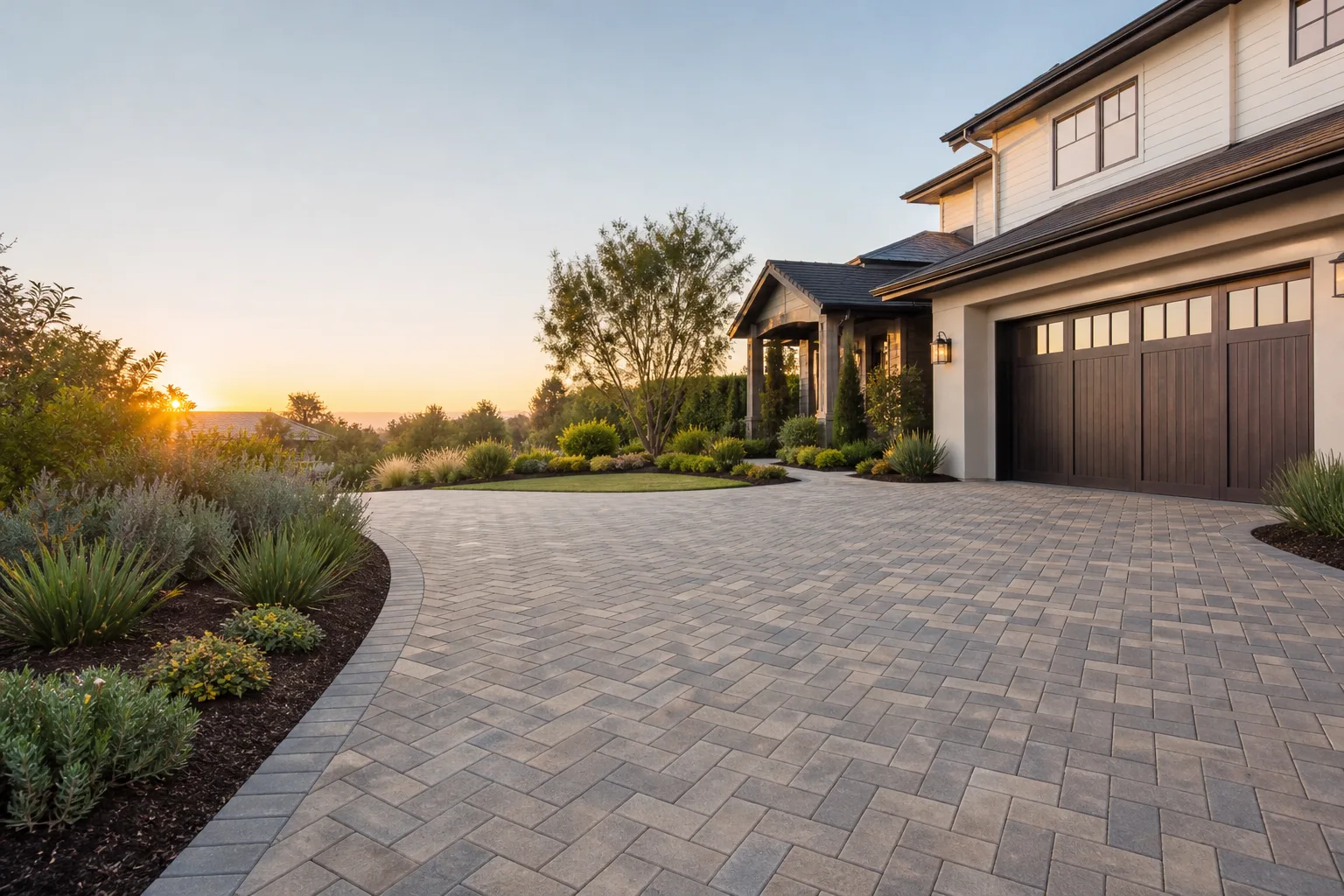
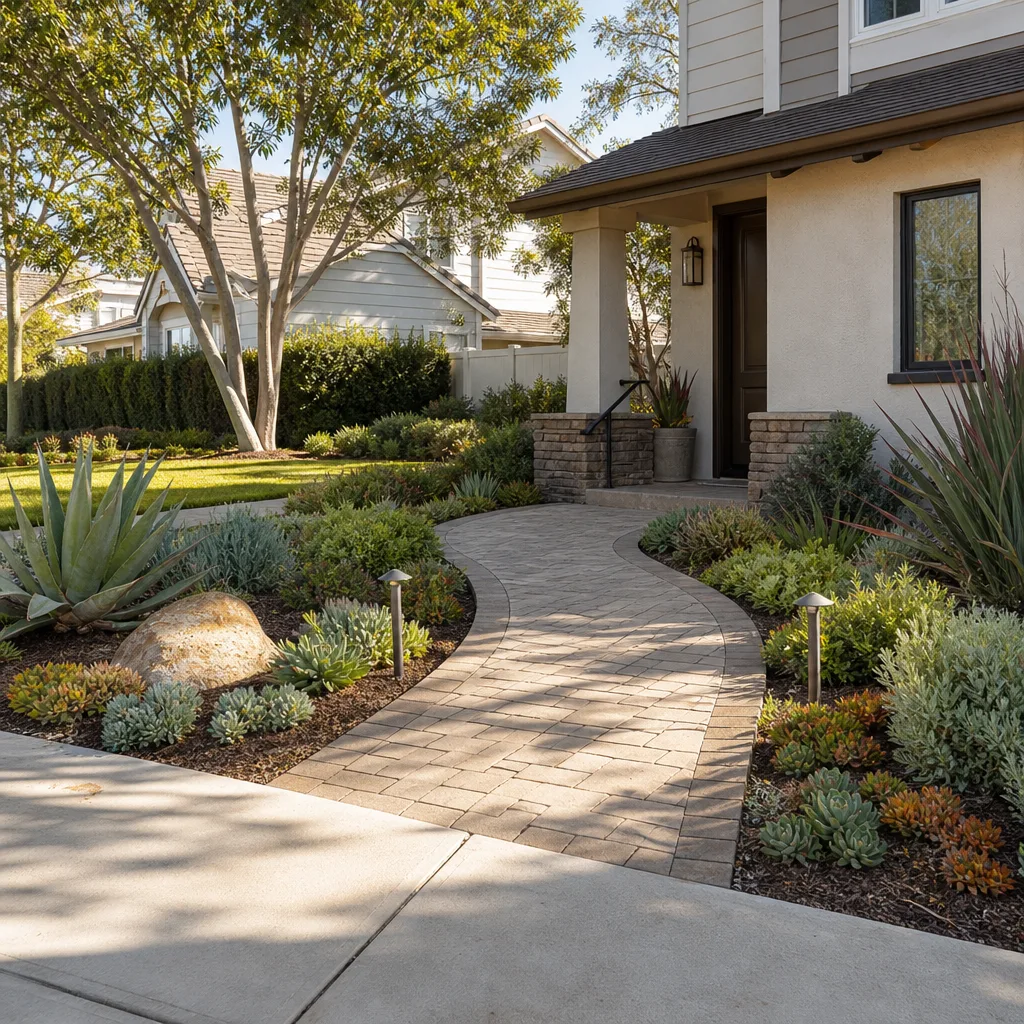
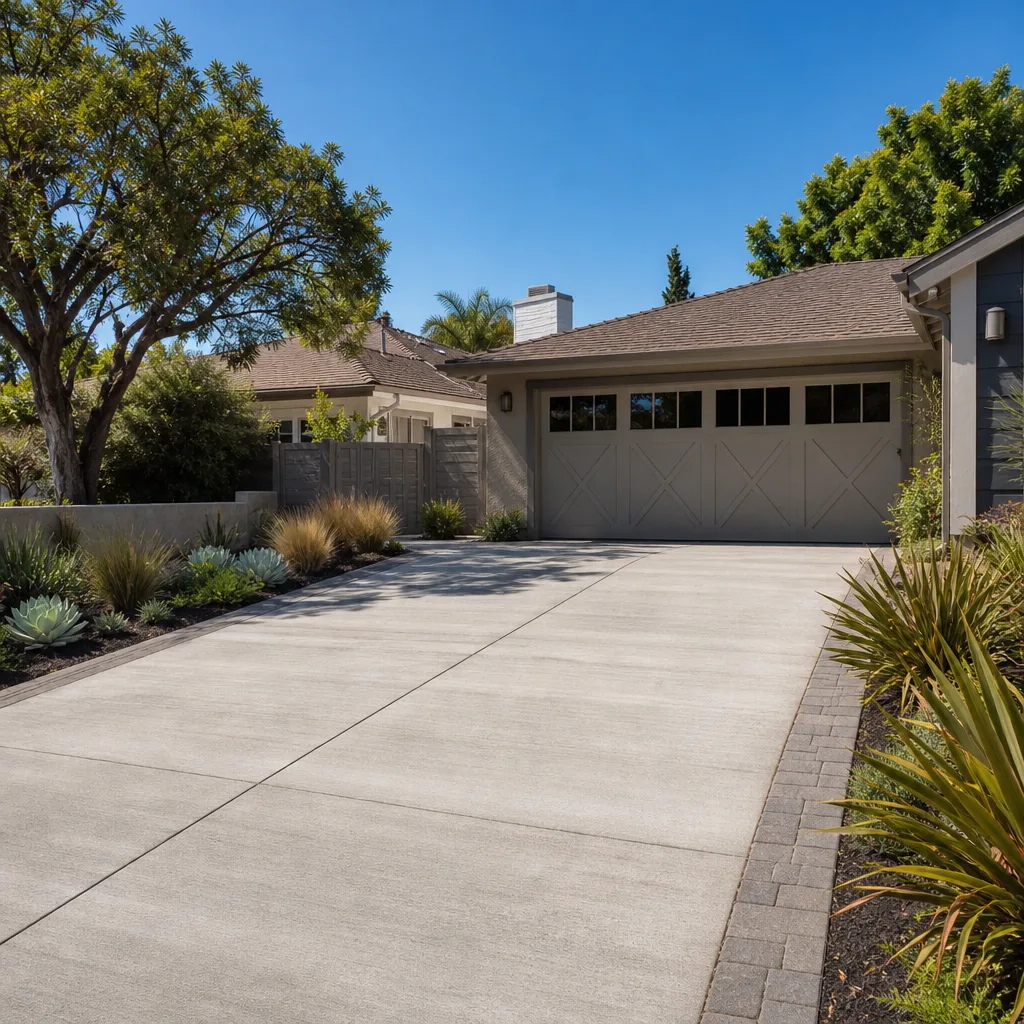
Concrete pavers. The most popular choice in Concord for good reason. Individual pavers handle the clay’s movement better than a continuous slab because small joints between units flex instead of cracking. They can be reset if a section settles, and there’s a wide range of styles from manufacturers we work with, including Belgard, Unilock, and Techo-Bloc. They deal with our hot summer days well and drain predictably when installed right.
Travertine. A premium option with a cool, natural look that suits the Mediterranean-style homes common around Concord. Travertine handles heat well and stays comfortable underfoot. It’s the most expensive of these options and needs a truly stable base, because it’s unforgiving of any movement beneath it.
Permeable pavers. These let water pass through the surface into the base and ground, which helps where you want to reduce runoff or meet a permeable-surface requirement. For Concord’s clay, permeable systems need especially careful design, since clay doesn’t drain well on its own and the base has to store or route water until it can soak away.
Asphalt. The budget option, fast to install and smooth underfoot. It’s also the most likely to show the clay’s movement as cracking, and it tends to need resealing on a regular basis to stay in shape. It works best as a short-to-medium-term surface where the base is solid.
Matching the material to the site is where real choices pay off. The manufacturers behind these systems matter, but the installation is what makes them last, and that’s the part we stand behind.
Slope and Drainage: Plan Before You Pick a Paver
In Concord, plan drainage before you choose a material. Slope and water flow decide which materials even work on a given lot, so settling on pavers first and figuring out the water later is how driveways end up with standing water, ice-thin slick patches in winter, or a base that never dries out. Our neighborhoods sit on flat-to-moderate grades, and many driveways slope gently toward the house or the street. Which way the water runs is a design decision, not an afterthought.
A drainage plan for a Concord driveway usually answers these questions:
- Where does water go? Off the driveway, into a drain, into a permeable base, or onto the landscape. It needs a defined destination.
- What’s the fall? A slight, consistent slope away from the house and toward drainage keeps water moving. Flat spots and low corners are where problems start.
- What’s uphill? If the driveway sits below a bank or a neighbor’s lot, water arriving from above has to be intercepted before it reaches the pavers.
- What’s downhill? Runoff can’t be dumped onto a neighbor’s property or cause erosion on your own.
Once the drainage picture is clear, the material choice gets simpler. A permeable paver system makes sense where you want water to soak in on site. A standard paver surface with a defined drain works where runoff has somewhere to go. Travertine and asphalt need the same downstream answer. In our experience, the Concord driveways that age well are the ones where the drainage was drawn before the pavers were picked.
Permits, HOA Rules, and Permeable Surfaces in Concord
Before any Concord driveway work begins, check two things: what the City of Concord requires for your project, and what your HOA’s rules say. Requirements vary by project scope, lot, and neighborhood, so the right move is to ask the city’s building department directly about your address rather than assume. A full driveway replacement, a widening, or a change to how water leaves your lot can each trigger different requirements.
Specific things worth checking in Concord:
- Permits for hardscape changes. Many cities require a permit when a driveway project changes the amount of impervious surface or alters drainage. Ask the City of Concord what applies to your lot before work is scheduled.
- Permeable surface expectations. Some jurisdictions and HOAs encourage or require permeable surfaces, especially on front-yard hardscape, to limit runoff. If that’s the case for your home, a permeable paver system may be the appropriate route, and it has to be designed for clay soil to actually work.
- HOA design rules. Many Concord HOAs set rules on paver color, material, and even the percentage of front-yard hardscape. Getting approval before ordering material saves a rebuild.
- Setbacks and grade at the property line. Changes to grade near a property line or the street can fall under city rules or affect a neighbor’s drainage, so it’s worth confirming.
We can work through the permit and HOA questions with you as part of planning, and our written estimates separate the work clearly so you know what’s been accounted for. If your project is part of a bigger plan, like adding a home additions & ADU, sorting the driveway drainage and access early saves rework later.
Tree Roots, Heat Spikes, and Winter Moisture
Concord’s mature valley oaks are one of the things that make our neighborhoods beautiful, and one of the things that make driveway planning harder. Oak roots are strong, wide-spreading, and drawn to the moisture that collects under a driveway. Over time, roots can lift pavers, crack asphalt, and push a slab out of level. You can’t stop an established oak from growing, but you can design the driveway to accommodate it.
Three local stressors to plan around:
- Root intrusion. Routes for roots and the depth of your base both affect how much pressure trees put on the surface. Where big trees are close, a paver system that can be lifted and reset is more forgiving than a rigid slab or a thin asphalt layer.
- Heat spikes. Concord gets genuinely hot summer days, and dark asphalt absorbs a lot of that heat, getting soft and staying warm well into the evening. Lighter-colored pavers and travertine stay cooler and more comfortable underfoot.
- Winter moisture. Our wet winters are when the clay swells most. A base that drains and sheds water keeps that seasonal movement under control. Poor drainage is what turns a normal wet season into cracked pavers and a heaving surface.
None of this is a reason to cut down a good tree or skip a driveway. It’s a reason to plan the layout, base depth, and material around what’s already growing on the lot.
Realistic Lifespan Benchmarks by Material
How long a Concord driveway lasts depends as much on the base as the material. The ranges below assume a properly compacted, Concord-appropriate base, planned drainage, and normal maintenance. Skip the base and every number drops.
- Concrete pavers on a proper base: 25 to 30 years or more, with occasional individual pavers reset if a section settles. The flexibility of the joints is what lets a paver driveway ride out the clay’s movement.
- Travertine pavers: 20 to 30 years when the base is truly stable. Travertine is durable but unforgiving of any movement, so its lifespan tracks the base quality closely.
- Permeable pavers: 20 to 25 years, assuming the base storage and drainage is designed for clay. Lifespan depends on keeping the joints and base from clogging.
- Asphalt: 15 to 20 years with regular resealing. Cracking from clay movement and root pressure is the main thing that shortens that range in Concord.
These are typical estimates for well-built driveways, not promises about any single job. The written estimate for your project sets the spec and the price that goes with it. What separates the top of each range from the bottom is almost always the invisible work: base depth, compaction, and drainage.
Keeping a Concord Driveway in Good Shape
A well-built driveway still needs some care, especially in a place where the ground moves seasonally. Most of it is simple and local:
- Keep joints and drains clear. Sweep debris out of paver joints and make sure drains and permeable surfaces aren’t clogged by leaves or soil. Clear drainage is what keeps water moving where it should.
- Check after the wet season. Once the winter rains end, look for settled pavers, low spots, or areas where water pooled. Catching a small settlement early is far easier than fixing a failed base.
- Watch near trees. Where oaks are close, keep an eye on pavers that start to lift or shift. Individual pavers can be reset before the problem spreads.
- Reseal asphalt on schedule. If you go with asphalt, regular resealing keeps water out of the surface and slows cracking.
- Don’t pile soil against the pavers. Soil pushed up against the edges holds moisture against the base and works against your drainage design.
Good maintenance is mostly about watching the edges and the water, and knowing that in Concord, most driveway problems show up at the edges first. If your project is going to touch other parts of the property, like fencing or a garage, it’s worth coordinating the timing so trucks and materials don’t tear up fresh hardscape. When a job includes a fence installation, we plan the order of work so neither project undoes the other.
Common Mistakes to Avoid
- Using a standard base depth on Concord clay. A 4-inch base that works elsewhere is too thin for expansive soil here. Skipping the deeper base is the most common reason a new Concord driveway fails within a few years.
- Choosing the material before the drainage. Picking pavers first and worrying about slope and runoff later leads to standing water and a base that never dries out. Design the drainage around the lot, then choose the material.
- Laying new pavers over an old, shallow base. Fresh pavers over a compromised base inherit every problem underneath. The base is the job; the surface is the finish.
- Overlooking HOA and city requirements. Ordering material before confirming HOA color rules or City of Concord permit needs is a costly rebuild. Check both before anything is purchased.
- Ignoring nearby oaks. Planning a driveway without accounting for mature tree roots leads to lifted pavers and cracks. Build the layout and material around the trees, not against them.
- Choosing permeable pavers without clay-specific design. Permeable systems are only as good as their drainage design. On clay, water has to be stored or routed, or the system fails.
- Skipping a written, itemized estimate. A verbal quote that doesn’t spell out base depth, compaction, and drainage leaves the most important work undefined.
See the difference
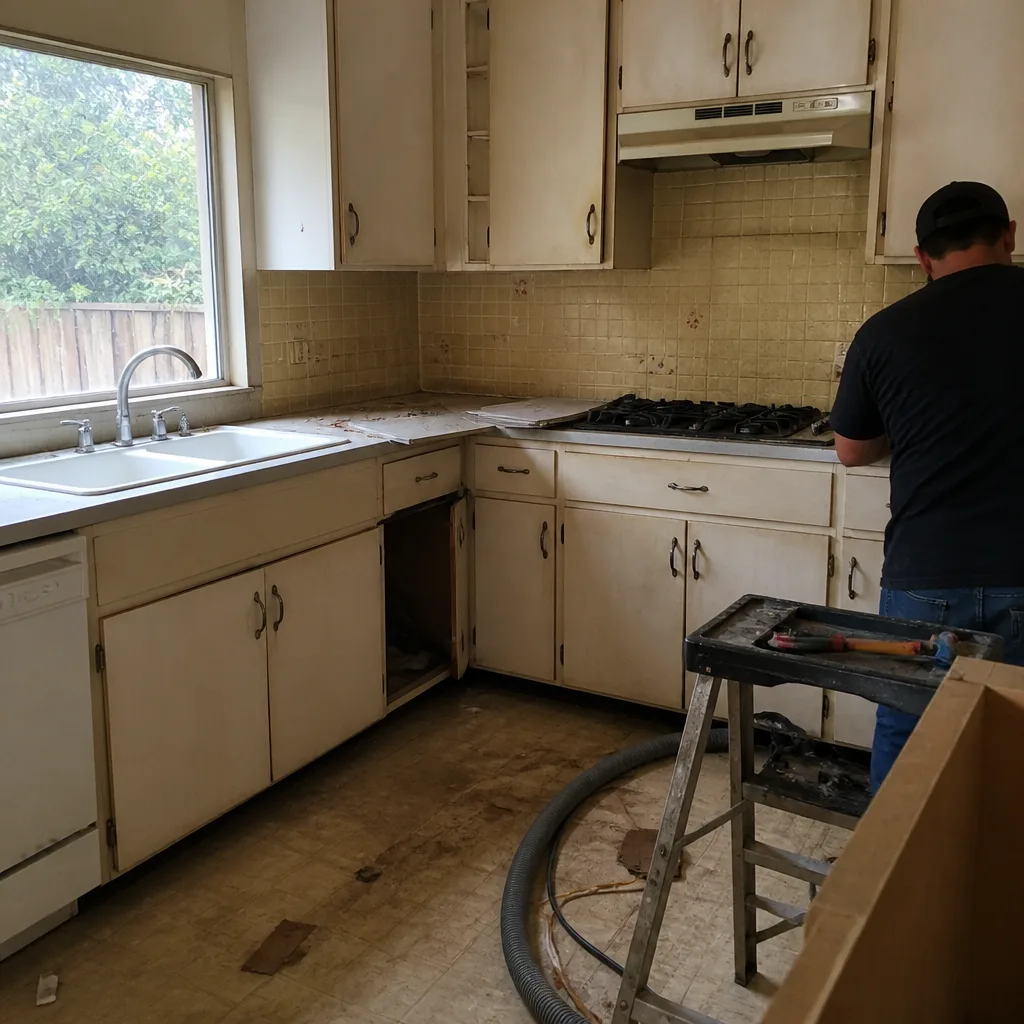 Before
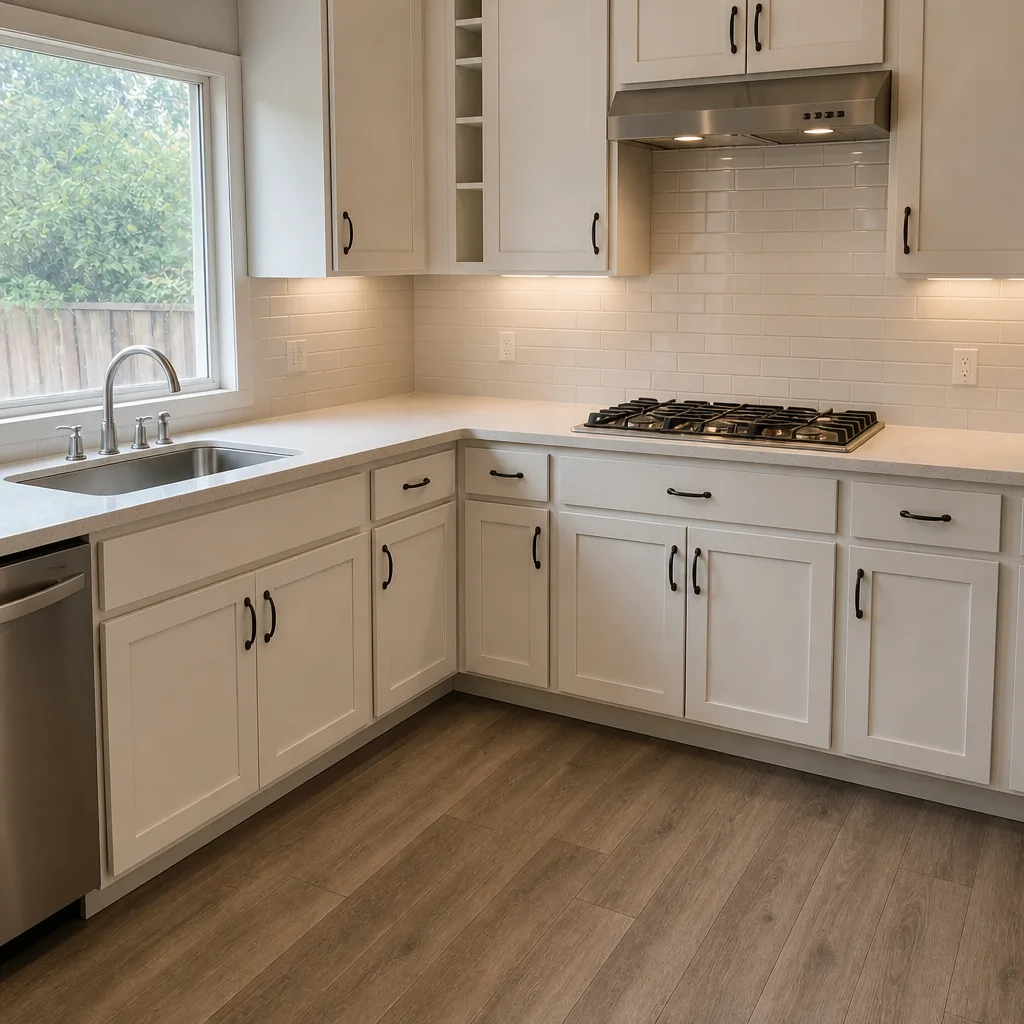 After
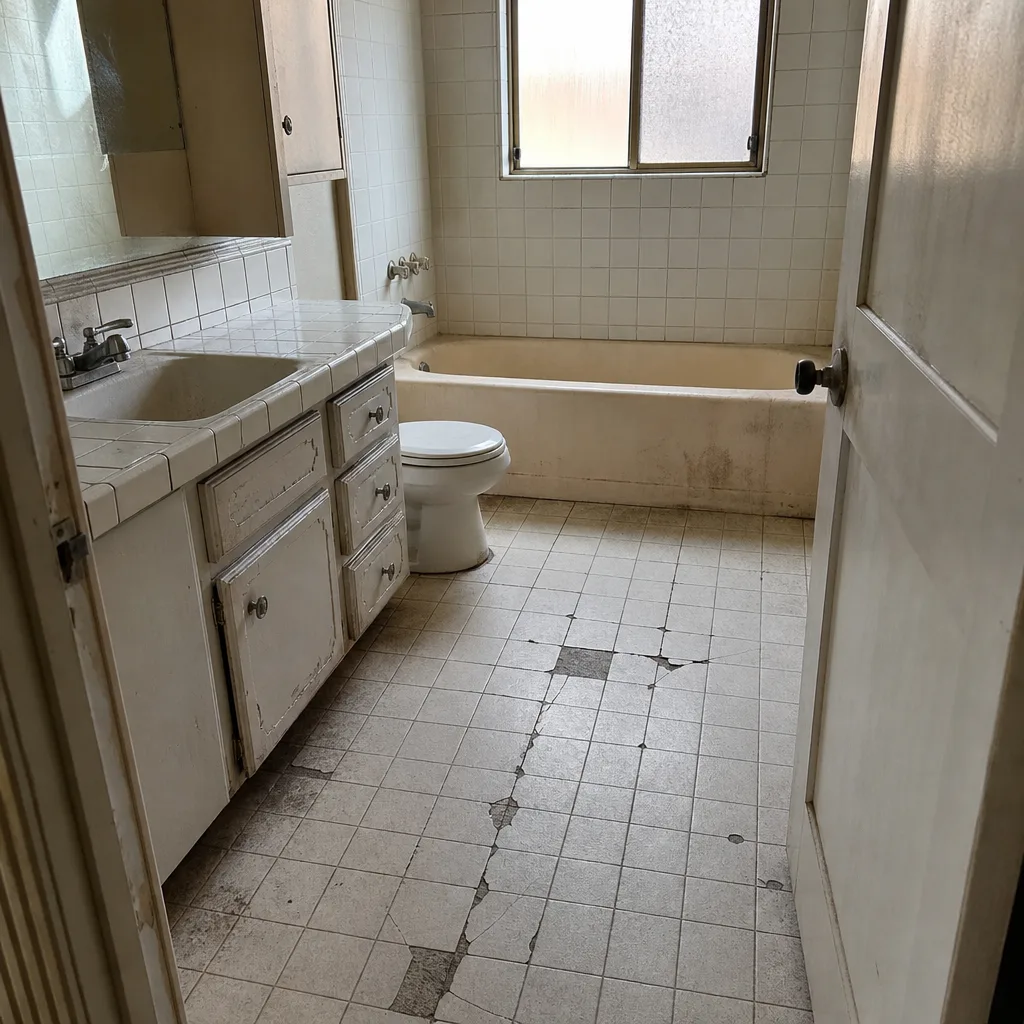 Before
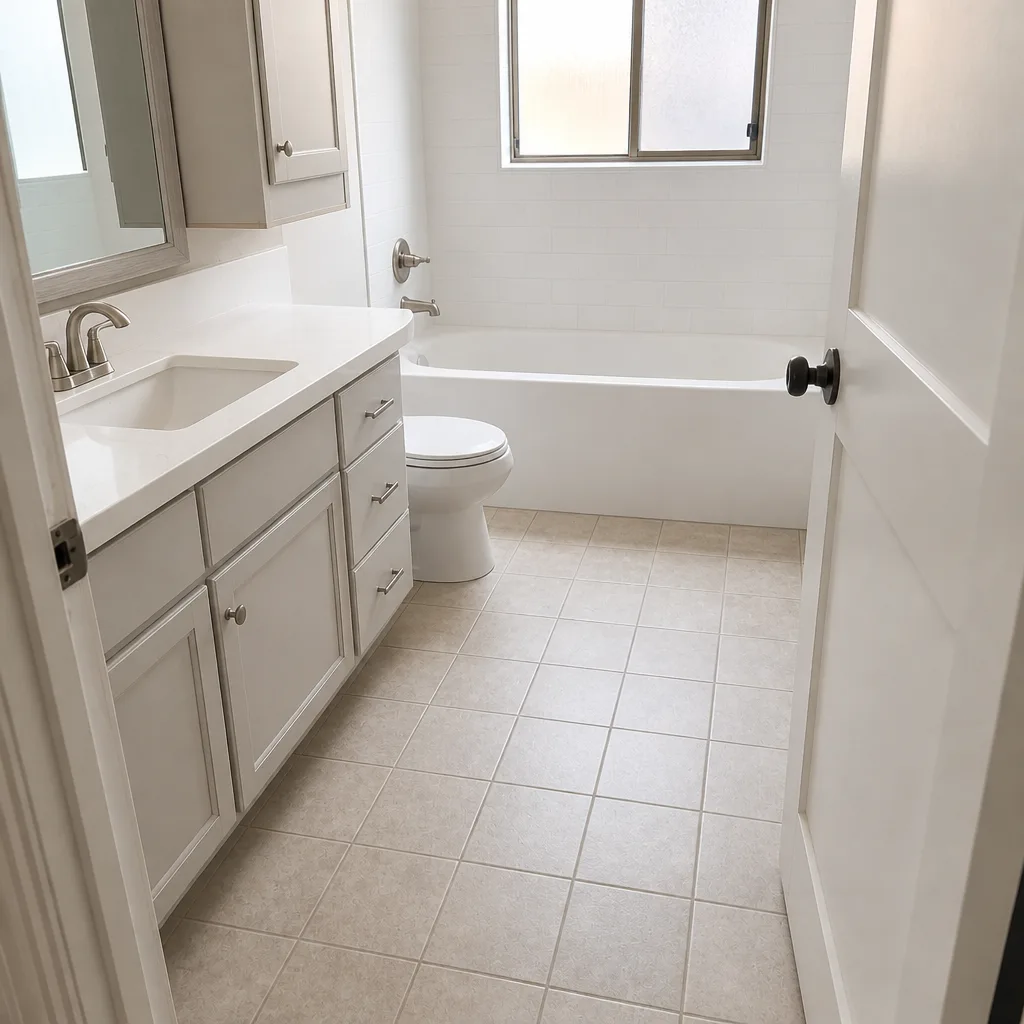 After
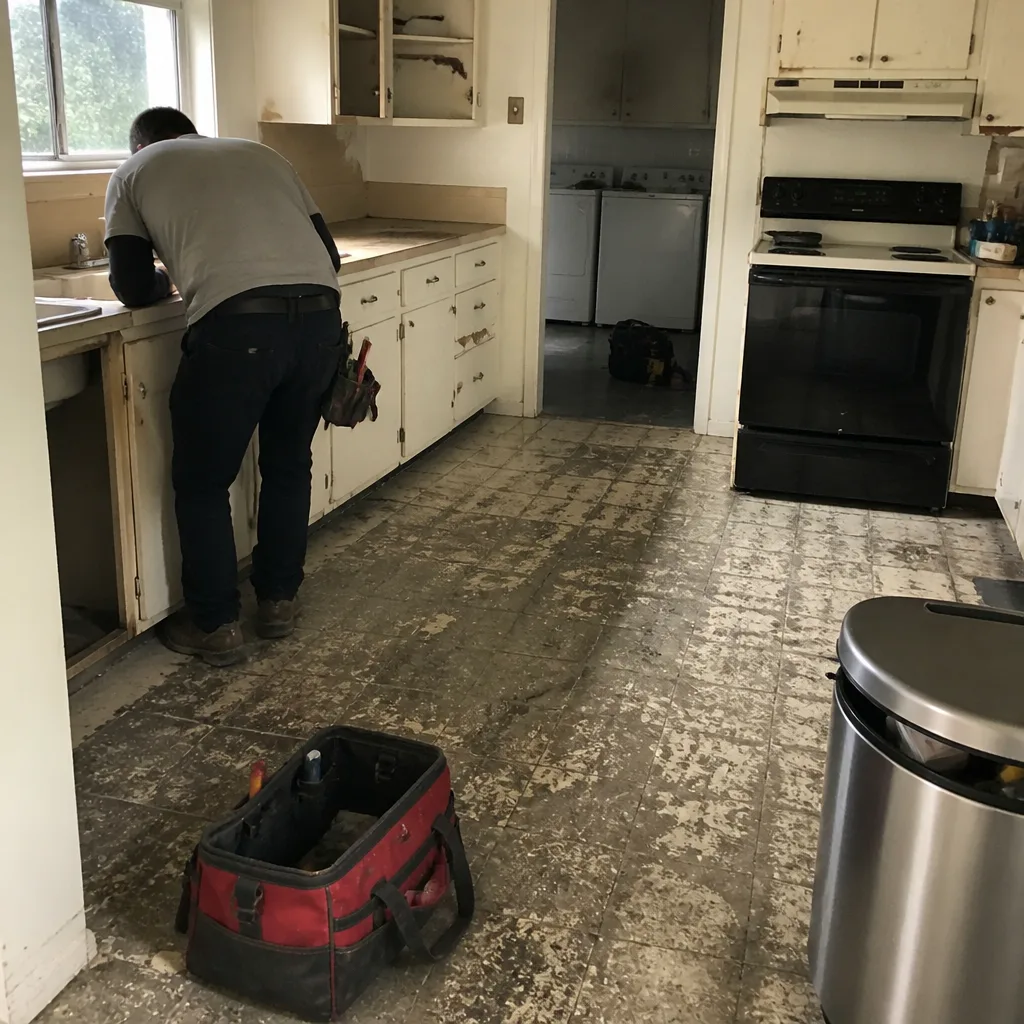 Before
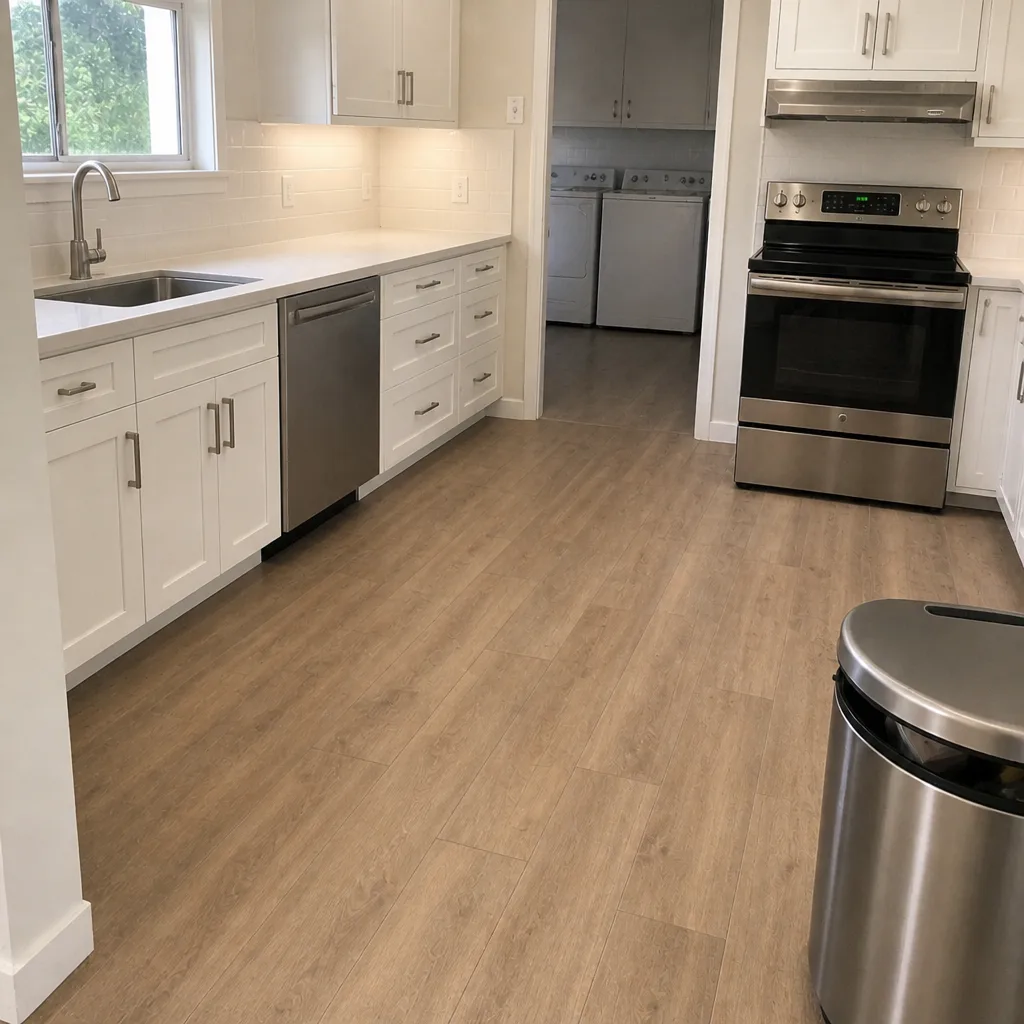 After
When to Call a Professional
Some driveway work is a job for a professional, and in Concord, most of it is. If your driveway is showing cracks, heaving, or settled sections, the cause is usually underground and needs real diagnosis before you spend money on a surface fix. If you’re planning a full replacement, a widening, or a change to how water drains, the base and drainage work needs to be designed for your lot and coordinated with permits. Those are jobs where getting it right the first time matters, because the failures are buried. Construction Concord offers free estimates in Concord – call (866) 611-9068. We answer 24/7, with fast dispatch from 7am to 7pm, Sunday through Friday.
Frequently Asked Questions
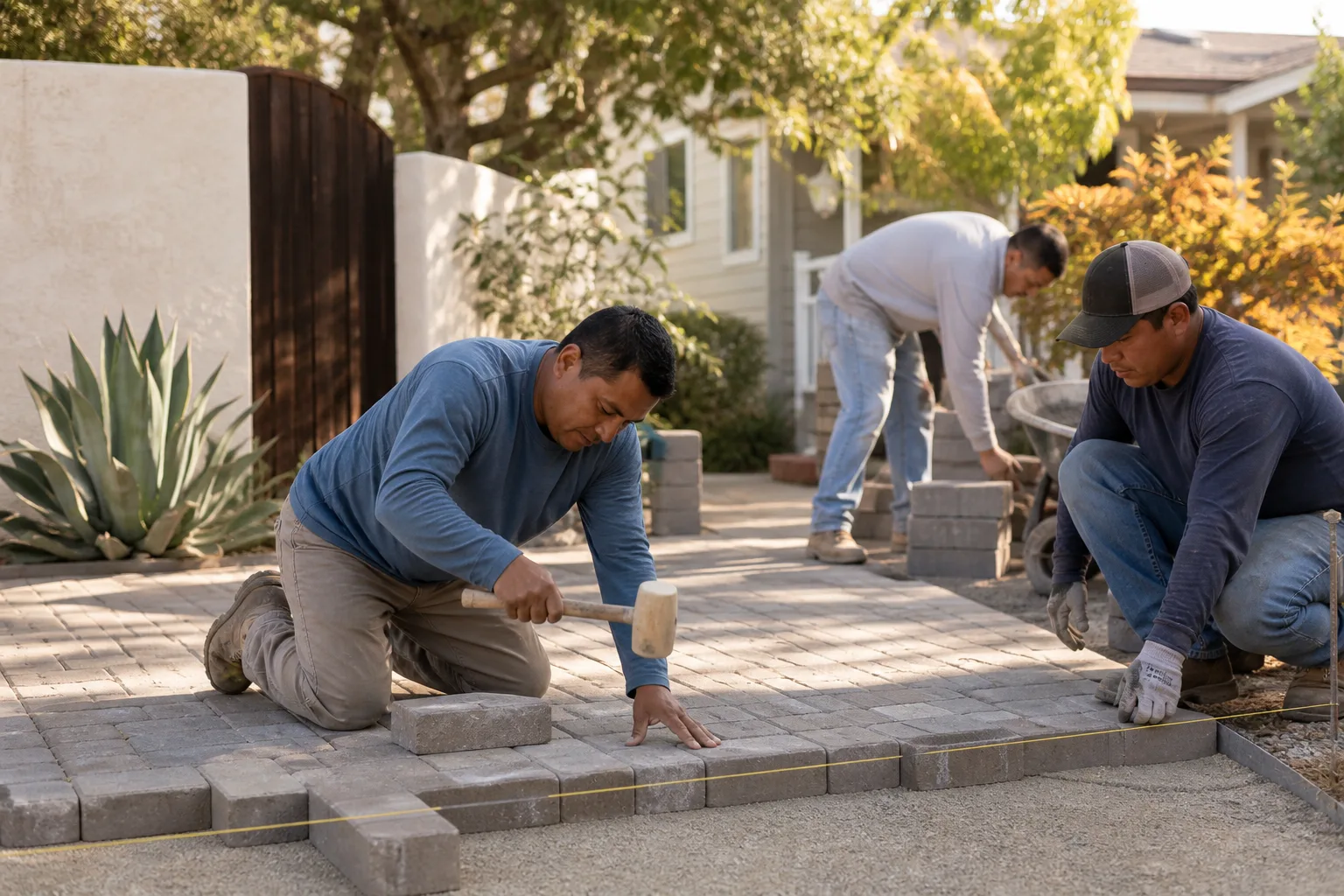
Concrete pavers on a deep, well-compacted base are generally the most reliable choice for Concord’s expansive clay, because the joints between pavers flex as the ground moves instead of cracking like a rigid slab. Travertine and permeable pavers can work just as well where the base and drainage are designed for the soil, and asphalt is workable for a lower budget with more maintenance. The material matters less than the base beneath it. Call (866) 611-9068 for an exact quote – estimates are free.
A typical target for Concord’s clay is 6 to 8 inches of compacted aggregate, deeper than the 4-inch base common on more stable soils, with more depth considered where the subgrade is especially active. The right depth depends on your lot and drainage. A written estimate should specify the base depth so you can compare quotes fairly. Call (866) 611-9068 to talk through your lot.
Possibly, depending on the scope. Many projects that change the amount of impervious surface or alter drainage require a permit in Concord, and HOA rules can add requirements on top. The right move is to ask the City of Concord’s building department about your specific address before work is scheduled. If you’re planning a permeable system on the front yard, confirm whether a permeable surface is required for your home. For a free estimate that accounts for permitting, call (866) 611-9068.
No, if the scope is clearly defined in a written, itemized estimate before work begins. The written estimate sets the final price: base depth, compaction, drainage, materials, and labor should all be spelled out so you know what you’re paying for. Getting the base and drainage defined up front is also what prevents surprise costs mid-project. Call (866) 611-9068 for a written estimate.
A concrete paver driveway on a properly compacted, Concord-appropriate base typically lasts 25 to 30 years or more, with occasional individual pavers reset if a section settles. Asphalt runs shorter, often 15 to 20 years with regular resealing. The single biggest factor is the base. Call (866) 611-9068 for a free estimate based on your specific lot.
A typical residential driveway replacement in Concord takes a few days to a couple of weeks, depending on size, base depth, and drainage work. The base excavation and compaction stages take time and shouldn’t be rushed. Your written estimate will lay out the stages and the expected timeline for your project. Call (866) 611-9068 to schedule your free estimate.
The Bottom Line
In Concord, a driveway is an engineering decision before it’s a design one. Our clay soil, hot summers, and wet winters punish thinly built bases, and the failures show up years after the contractor has left. Concrete pavers, travertine, permeable pavers, and asphalt can each work well here, but only when the base is sized for the soil and the drainage is planned before the material. Check City of Concord permits and your HOA rules early, keep mature oaks in mind, and let realistic lifespan benchmarks guide your choice. Get the buried six inches right, and the part you actually see will last.
Construction Concord works with homeowners across Concord on Construction Concord projects, and we’re set up to handle everything from the driveway at the curb to the kitchen at the core under a single point of contact. Our technicians have up to 12 years of experience, we’ve been in business since 2014, and we work with name-brand paver manufacturers so you get verified product quality rather than substitutes. Whether you’re planning a driveway replacement or coordinating it with windows and doors, a fence installation, or a larger renovation, you get one contractor, one estimate, and one point of accountability. Call (866) 611-9068 for a free estimate. We answer 24/7, with fast dispatch from 7am to 7pm, Sunday through Friday.
Written by the team at Construction Concord.