
Last updated November 18, 2026




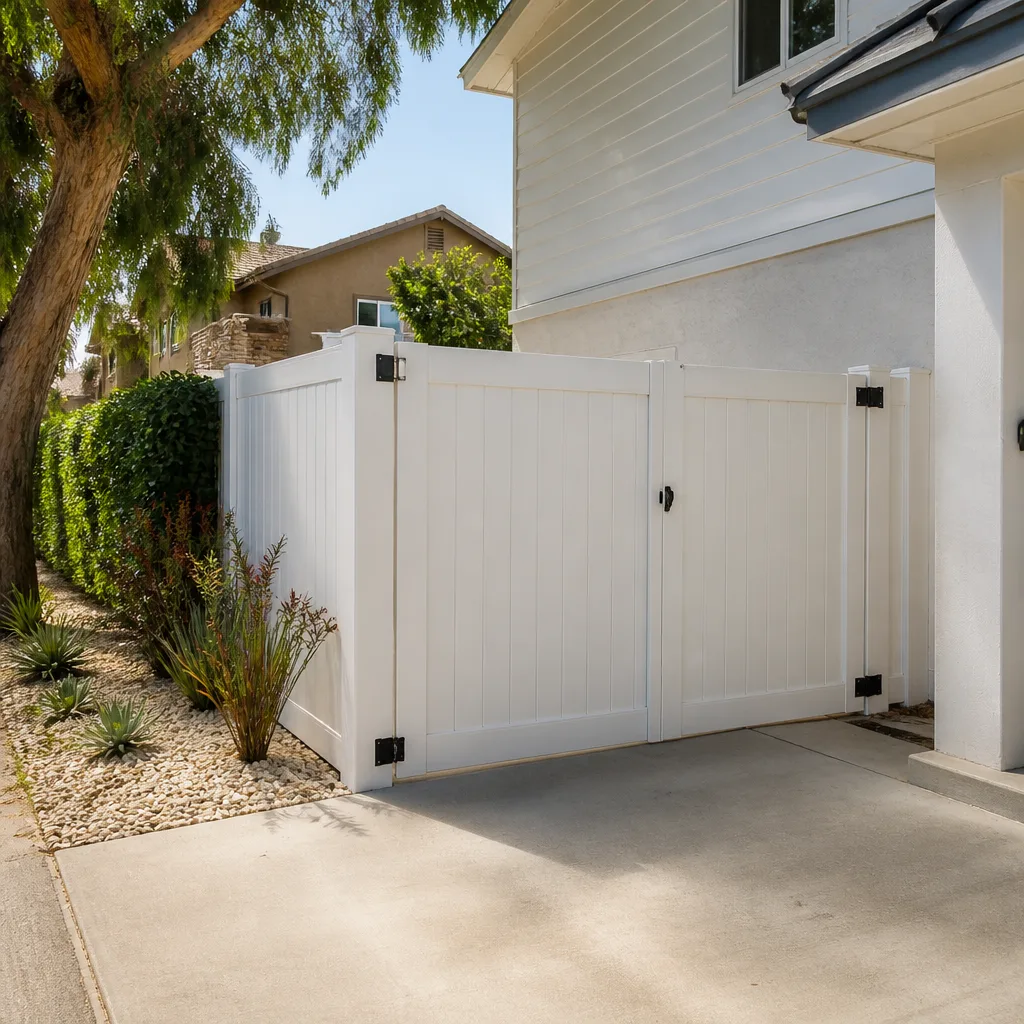



Free written scope consultation - allowances, timeline, and change-order rules on paper before a single trade is scheduled
Construction Warning Signs: A Concord Homeowner’s Reference Guide
A crack in a Concord driveway is not a driveway problem. Nine times out of ten it’s a drainage problem, a base compaction problem, or a soil movement problem, and patching the surface without addressing the cause is a repair that lasts one rainy season. The same logic runs through every part of a house. Staining on a ceiling isn’t a roofing problem until you trace it. A sticking door isn’t a carpentry problem until you check the foundation. This guide teaches you to read the visible symptom backward to its actual source, so you spend money on the fix that holds instead of the patch that fails. We’ve watched Concord homeowners chase the wrong repair for years, and we want to save you that cost.
Quick Answer
The most serious construction warning signs in a Concord home are not the ones that look dramatic; they’re the ones that keep coming back after a repair. A crack that reappears, a stain that returns, a door that sticks again a season after it was planed are all telling you that the cause was never addressed. Cosmetic defects resolve and stay resolved. Structural and drainage defects repeat. Learning to tell those two apart, using the diagnostic framework below, is how you avoid paying twice for one problem.
Styles & brands we work with
- Kitchen remodeling
- Bathroom remodeling
- Home additions & ADU
- Roofing
- Windows & doors
- Driveway & pavers
- Fence
Table of Contents
- The Symptom-to-Source Framework: How to Read Any Warning Sign
- What Concord’s Clay Soil Does to Your Home
- Cosmetic vs. Structural: Telling Them Apart Without Hiring an Inspector
- Drainage Warning Signs You Can See From the Sidewalk
- Warning Signs a Previous Contractor Cut Corners
- Which Warning Signs Are a 24-Hour Emergency
- A Six-Step Walk-Around You Can Do This Month
- Common Mistakes to Avoid
The Symptom-to-Source Framework: How to Read Any Warning Sign
Every visible defect in construction falls into one of three source categories: water, movement, or deterioration. Water means moisture is getting somewhere it shouldn’t and is displacing, staining, or rotting material. Movement means soil, a foundation, or a structural member is shifting under load. Deterioration means a material has simply reached the end of its service life through normal wear, sun, or use. When you can classify the symptom, you’re halfway to the source, and you can skip the inspection that tells you what you already know.
Here’s how the classification works in practice.
- Does the problem return after a repair? If yes, you have water or movement. Cosmetic deterioration doesn’t come back at the same spot after a proper fix.
- Does the problem get worse after rain? If yes, it’s water. Trace the drainage path before touching the symptom.
- Is the problem localized to one corner, one wall, or one side of the house? If yes, it’s usually movement or a drainage concentration, not a whole-house material failure.
- Is the problem uniform across a surface with no pattern? If yes, it’s more likely deterioration or installation error.
- Can you see a horizontal or stair-step line? If yes, movement is the prime suspect, and that deserves a closer look from a professional.
Once you’ve classified a symptom, you can also predict which trade should answer it. Water problems usually answer to driveway & pavers work if the source is the ground, or to roofing and windows if the source is up high. Movement problems sometimes point toward home additions & ADU scope, particularly when an older addition is settling unevenly against the main structure. Deterioration problems usually point to finishes, siding, or windows. Knowing which trade to call is half the battle.
Concord’s mild winters help here. You don’t have freeze-thaw cycles tearing mortar apart or ice dams pushing water back under shingles. What you do have is wet winters followed by long dry summers, which produces a different set of warning signs: soil that swells in the wet season and shrinks in the dry. That pattern does more to a Concord house than most national guides acknowledge. If you see a crack that opens in February and closes by August, you already know the source is seasonal soil movement, not a defective material.
What Concord’s Clay Soil Does to Your Home
Concord sits on expansive clay soils, and expansive clay moves. The clay expands when it takes on water and contracts when it dries, and that cyclical movement is the single most common hidden cause of construction symptoms in this city. The classic national warning signs people look for, like a vertical crack at the corner of a garage, often aren’t the ones that actually matter here. Locally, the signs that matter most are subtler.
- Repeating hairline cracks in slabs or patios that reopen each wet season. This is soil movement transferring load into a rigid surface, not a concrete failure.
- Doors and windows that stick on one side of the house only. Localized sticking that changes with the season is an early indicator of foundation movement, not a hinge or alignment issue.
- Ponding water in low spots that lingers days after rain. Clay drains slowly. Standing water against a foundation or a hardscape edge is going to keep working its way under the surface.
- Separation between a hardscape and the house or between two adjacent slabs. Clay swell lifts edges unevenly. Separation opens the door to water moving underneath.
- Fence posts that lean or loosen after a wet winter. This is soil movement pulling at post footings, not a fence material problem.
None of these are emergencies on their own, but any of them is a good reason to trace the source now rather than after a repair. If you notice separation at a hardscape edge, that’s the point to call in a professional for a look at how the driveway & pavers system was built. Base preparation is where most hardscape failures begin, and a designed paver surface built on a proper compacted base handles this soil far better than a poured slab. Concord’s clay doesn’t give you a choice about whether you deal with movement; it only gives you a choice about how well the surfaces above it are designed to absorb it.
The good news is that a properly designed system, one that includes drainage away from the house and a base built to handle clay, will stay stable through all of it. If you’re seeing movement under existing hardscape, that’s the sign the base wasn’t built to this soil in the first place.
Cosmetic vs. Structural: Telling Them Apart Without Hiring an Inspector
Not every crack deserves an inspection appointment. Most don’t, and paying for an inspector every time a hairline appears in a wall is a waste of money. You can sort most warning signs into cosmetic or structural yourself in about a minute, and only call in a professional for the ones that land in the structural bucket.
Here’s the test.
- Width matters. A hairline crack you can’t fit a dime into is usually cosmetic. A crack you can slide a nickel or a fingertip into is worth a professional look.
- Direction matters. Vertical cracks are usually cosmetic or seasonal. Horizontal cracks in a foundation wall, stair-step cracks in brick or block, and diagonal cracks at corners are all movement and deserve attention.
- Repeating matters. A crack that was patched and reopened within a season is not cosmetic. The patch hid the symptom; the cause never left.
- Scale matters. Is the crack uniform in width along its length, or does one end taper while the other doesn’t? A tapered crack is load movement. An even crack is shrinkage.
- Accompanying signs matter. A crack on its own is one thing. A crack plus sticking doors plus a sloping floor in the same corner is a structural story being told in three symptoms at once.
Use that test to decide whether to call a pro. If a symptom passes the cosmetic test, patch it, monitor it, and move on. If it fails the test, stop patching. A cosmetic fix applied to a structural problem isn’t just wasted money; it can hide a condition a professional would have caught. Concord’s clay soil produces a lot of cosmetic-looking symptoms that only reveal themselves as movement when they come back the next wet season.
The same logic applies at the roofline and windows. A single cracked pane is a glazing issue. Multiple windows on the same wall that crack or stick after a wet season are a structural issue behind the wall. We see exactly this pattern in Concord homes, and the fix is not more windows. It’s identifying the movement first, then rebuilding the wall properly with the right materials. If a wall is being opened anyway, we often recommend a fiber cement cladding like James Hardie because it tolerates minor movement far better than materials that crack when the substrate shifts.
Drainage Warning Signs You Can See From the Sidewalk
Drainage problems are the most underpriced construction warning sign in Concord homes. A homeowner sees a stain, assumes it’s a roofer problem, and pays for a roof inspection before anyone has looked at the ground. The ground is where you should start, and most of what you need to see is visible from the sidewalk.
Walk the perimeter of your house and look for these five signs.
- Water pooling against the foundation. Any ponding that lasts more than a day after rain is keeping your foundation wet when it should dry.
- Gutters that discharge right at a corner of the house. Every downspout should route water away, not dump it at the wall.
- A sloping driveway or hardscape that directs water toward the garage or front door. On clay soil, the slope is the whole game.
- Staining or efflorescence on the lower foundation wall. That white chalky mark on concrete isn’t cosmetic; it’s water evaporating through the wall from inside out.
- Soft or sunken ground near a downspout or a low point in the yard. This is where the water is going and where the problem is starting.
Once you see where the water is collecting, you’ve identified the source. The symptom (a ceiling stain, a damp baseboard, a shifting slab) is secondary. Fixing the drainage first, and then repairing whatever the water damaged, is the order that holds. Fixing the ceiling stain first, and hoping the water stops, is the order that guarantees a return visit.
In our experience, this is where a full-scope view pays off. A driveway, a roof, and a fence line interact with drainage in ways that are easy to miss when three different contractors each own their own piece. If your drainage fix touches the hardscape, the fence posts, and the roof edge, coordinating it once is far cheaper than coordinating it three times. It’s the reason we organize our work across the seven trades under one team; the source doesn’t respect trade boundaries, so the repair shouldn’t either.
Warning Signs a Previous Contractor Cut Corners
Recently flipped homes around Concord are a particular risk, and not because flipping itself is a problem. The issue is that cosmetic work is easy to make look finished and hard to inspect. If you’ve recently bought a home that was updated before the sale, look for signs that the finish wasn’t backed by structural or waterproofing work.
These are the signs we see most often when a previous job was done too fast.
- Caulk used where flashing should be. Caulk on a roof detail or around a window is a tell. It’s a temporary seal, not a permanent one, and it’s the cheapest way to make a defect disappear for a season.
- New fixtures on old rough-in. A beautifully selected faucet on plumbing that wasn’t updated gets you a leak inside a wall in year two. Brand quality only counts when the rough-in behind it was done to the same standard.
- Fresh paint over a water stain. Look closely at ceiling lines and inside cabinet corners. A stain that was painted over will telegraph back through the finish after a wet winter; a properly repaired one won’t.
- Windows and doors that look new but weren’t shimmed or flashed correctly. Look for gaps at the interior trim, drafts, or water tracking inside the frame. A window is only as good as its installation.
- Fence posts set in shallow footings. If a fence looks a couple of years old and is already leaning after one wet winter, the footings weren’t built for Concord’s clay.
- New countertop over an unsupported cabinet box. Test the surface for flex; if it moves under weight, the substrate wasn’t built to carry the load.
The other side of the warning sign is having a quality standard to compare against. If a cabinet was sold as a premium line but has particleboard sides, glue-tack trim, and no branded interior hardware, it wasn’t. A line like KraftMaid or Wellborn is inspectable because the manufacturer’s name and construction standards are documented. A no-name cabinet isn’t necessarily bad, but it can’t be verified. When we install cabinets or counters, we use named lines like those two, plus Cambria, Silestone, or Caesarstone for surfaces, because verifiable material quality is one of the few honest ways to tell a real renovation from a cosmetic reskin.
Which Warning Signs Are a 24-Hour Emergency
Most warning signs are not emergencies. Very few are, actually. But the ones that are deserve a call the same day, because delaying a day turns a repair into a rebuild. Sorting a symptom into “call now” or “schedule next month” is one of the most useful skills a homeowner can have.
These are the “call now” situations in a Concord home:
- Water actively entering the house. A ceiling leak that’s clearly pooling, water running down a wall, or a wet patch under a roof vent during rain is a call-now situation because mold and rot start within hours.
- Any gas smell or a damaged gas line. This is a call-now situation; leave the house and call from outside.
- A structural member visibly failing. A sagging header over a door, a wall bowing outward, or a loadbearing post that’s cracking are all cases to stop using the space and call.
- Electrical arcing, burning smell, or a scorched outlet. This is not a “schedule it” and requires an electrician and your utility.
- A roof opening after storm damage. Missing shingles plus a forecast of rain is a same-day tarp call.
- A snapped or bent gate or fence post endangering a vehicle, a pet, or a child. A leaning fence that might fall gets stabilized the same day.
Everything else is not an emergency. A crack that isn’t growing moves to the schedule list. A cosmetic stain on a dry wall moves to the schedule list. A patio that’s separating at the joint but isn’t pooling water moves to the schedule list. Rushing those repairs usually costs more, not less, because it compresses the diagnosis. The best emergency-only rule is simple: if water is entering the house, if gas or electricity is involved, or if a structural member is actively failing, call now. If it’s not one of those three, schedule a proper diagnosis.
A Six-Step Walk-Around You Can Do This Month
You don’t need to hire anyone to do a first-pass diagnostic. You just need to slow down and walk the property once with a notepad. Here are the six steps, in order, that give you a clear picture of what your house is telling you.
- Start at the base and walk the perimeter. Look for cracking, staining, efflorescence, and settled ground. Note any place where water stands longer than a day after rain. This step identifies water and movement.
- Look at every roofline and flashing detail. From the ground, look up. Caulk where flashing should be is a red flag; so are loose shingles, granules in the gutter, or a ceiling stain visible through a skylight. Note each.
- Open and close every exterior door and window. Note the ones that stick, drag, or don’t latch. Take a photo of any gap at the frame. Compare both sides of the house; if one side sticks and the other doesn’t, note it.
- Check every hardscape edge. Driveways, walks, patios, and steps are where soil movement treats you to its clearest evidence. Look at expansion joints, edges against the foundation, and where two surfaces meet. Note any separation or ponding.
- Walk the fence and gate line. Look at post bases. Lean is the sign, and post footings on clay soil are the most common source. Note every post that looks displaced.
- Write down what came back. Cross-reference any symptom you noted against the “does it return after a repair?” test. That note becomes the list you bring to a professional, and it saves both time and diagnostic work.
Once you’ve done this once, you have a baseline. Take photos so you can compare next year. Photos catch slow movement that memory misses.
Common Mistakes to Avoid
- Patching a symptom before diagnosing the source. Patch a driveway crack and you’ll be patching it again next wet season. Trace the water and the soil movement first, then design a fix that addresses those. The cheapest repair is the one that lasts.
- Assuming a ceiling stain is a roofing problem. It might be. It might also be a window, a vent, a plumbing line, or the ground drainage. The stain is where the water shows up, not where it entered.
- Trusting a fresh finish on a recently flipped home. New paint, new cabinets, new light fixtures is a signal to look harder, not a reason to stop looking. Look at the rough-in, the flashing, and the construction of the pieces. Named materials are easier to verify than painted ones.
- Calling an inspector for every hairline crack. Sorting cosmetic from structural is something you can do yourself. Save the professional inspection for a symptom that fails the cosmetic test, not every time a wall has a line in it.
- Treating every warning sign as an emergency. Rushing a diagnosis compresses the process, and a rushed diagnosis produces the wrong repair. Water entering the house, gas, and active structural failure are the actual emergencies.
- Reading cracks as material failures instead of soil movement. On Concord’s clay soil, seasonal cracks are a sign that the underlying soil is moving with wet and dry. Patch them and they come back. Build a surface that accommodates that movement and they stop.
- Using a single trade where drainage touches several. When water is affecting a driveway, a fence line, and a roof edge at once, hiring three contractors means three diagnoses and three schedules. A single-source contractor sees the whole story once.
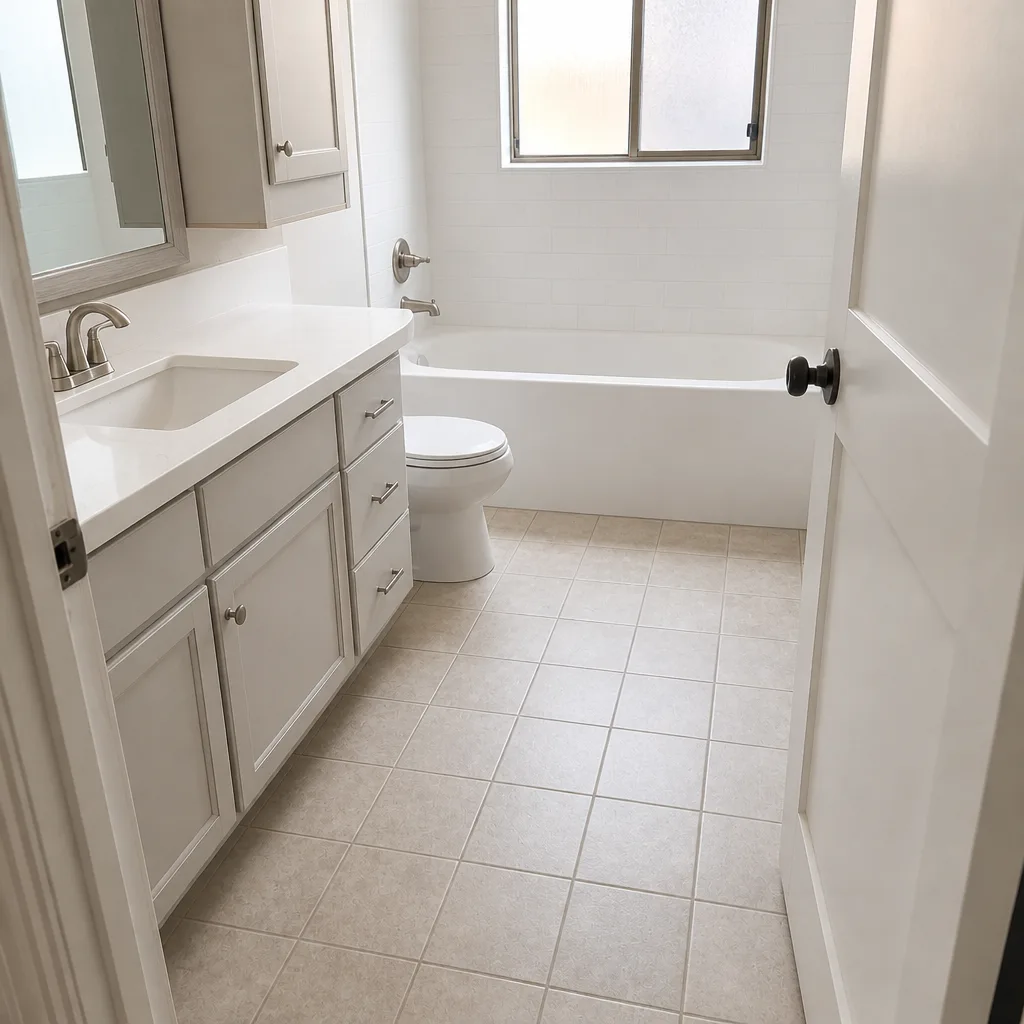
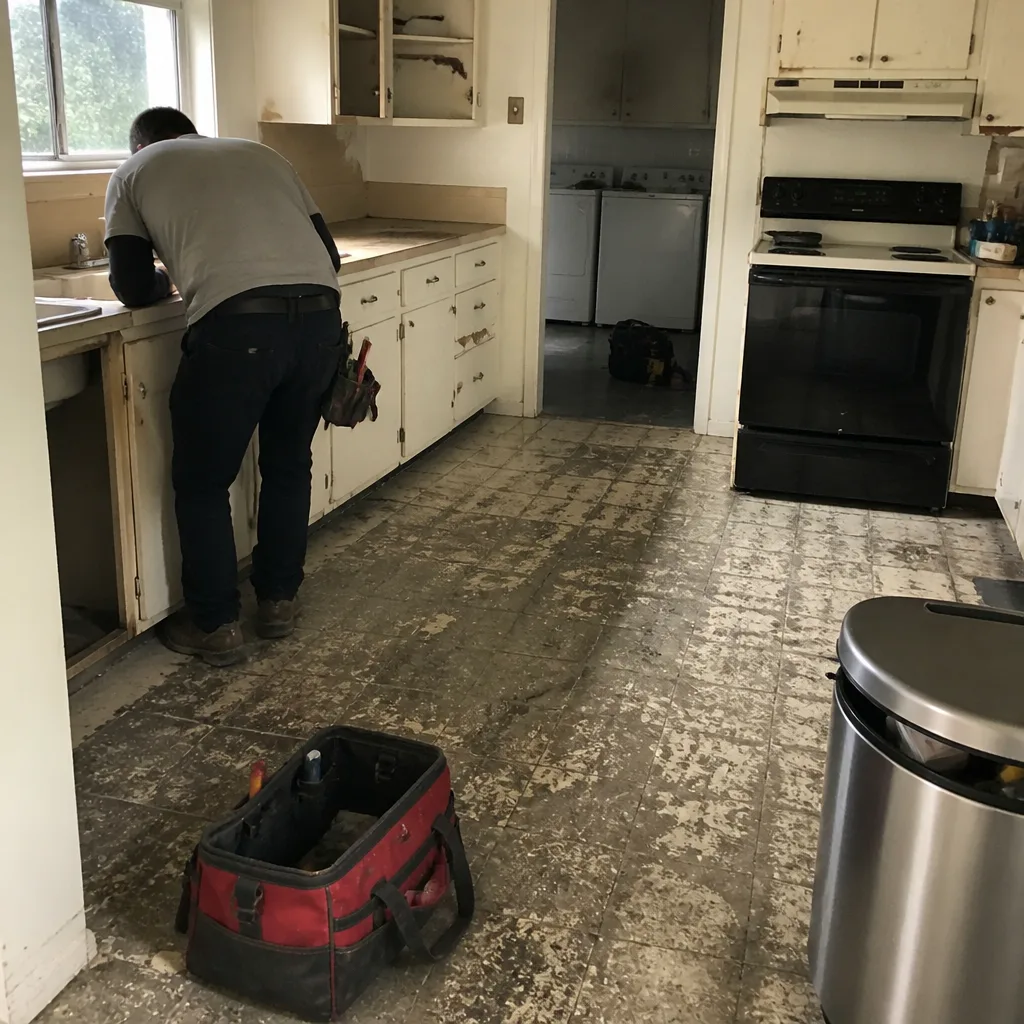
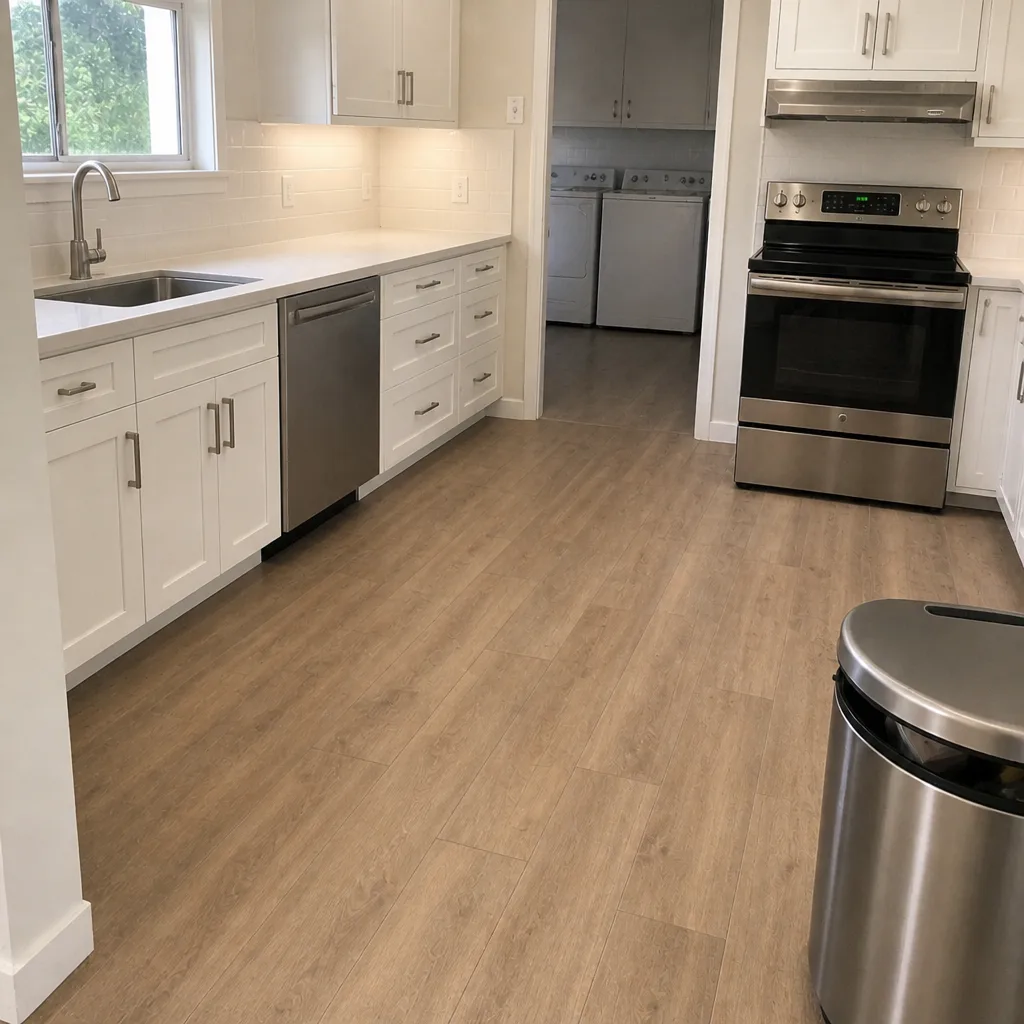
See the difference
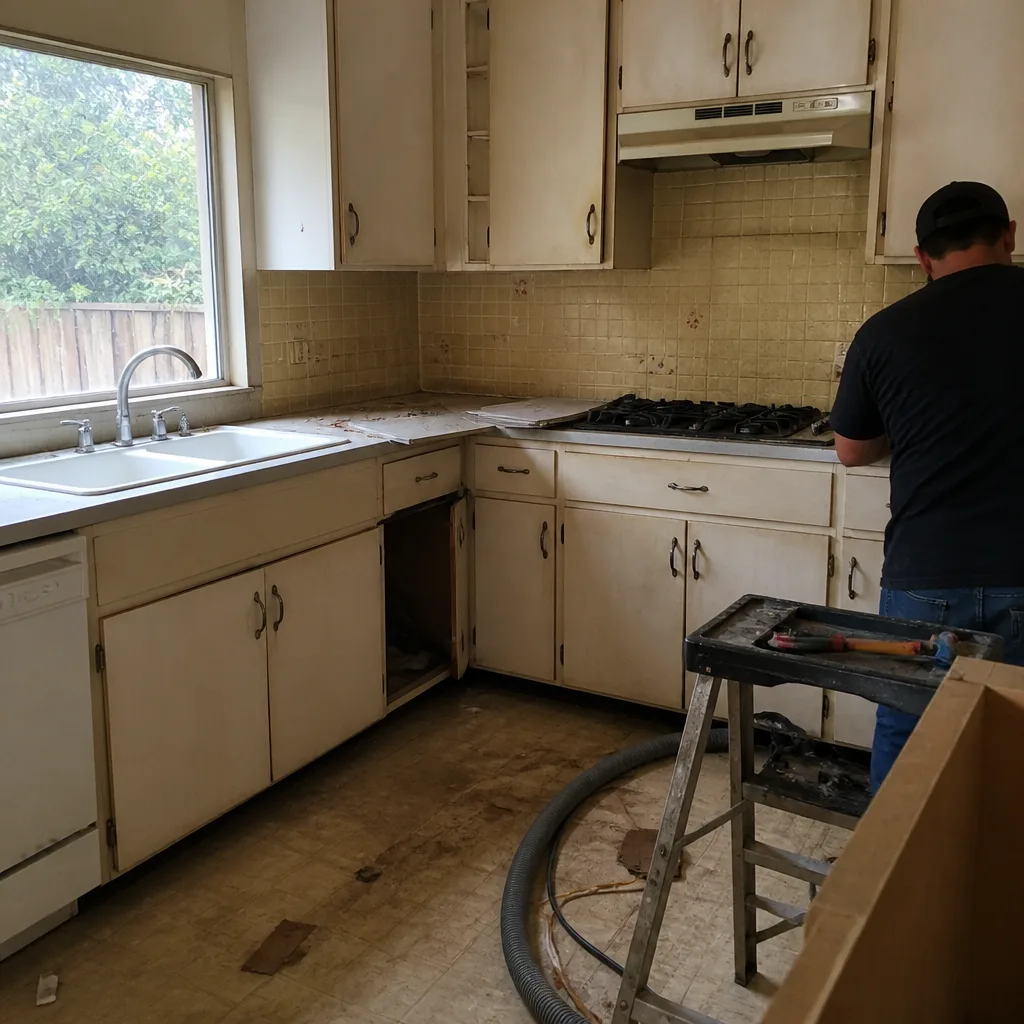 Before
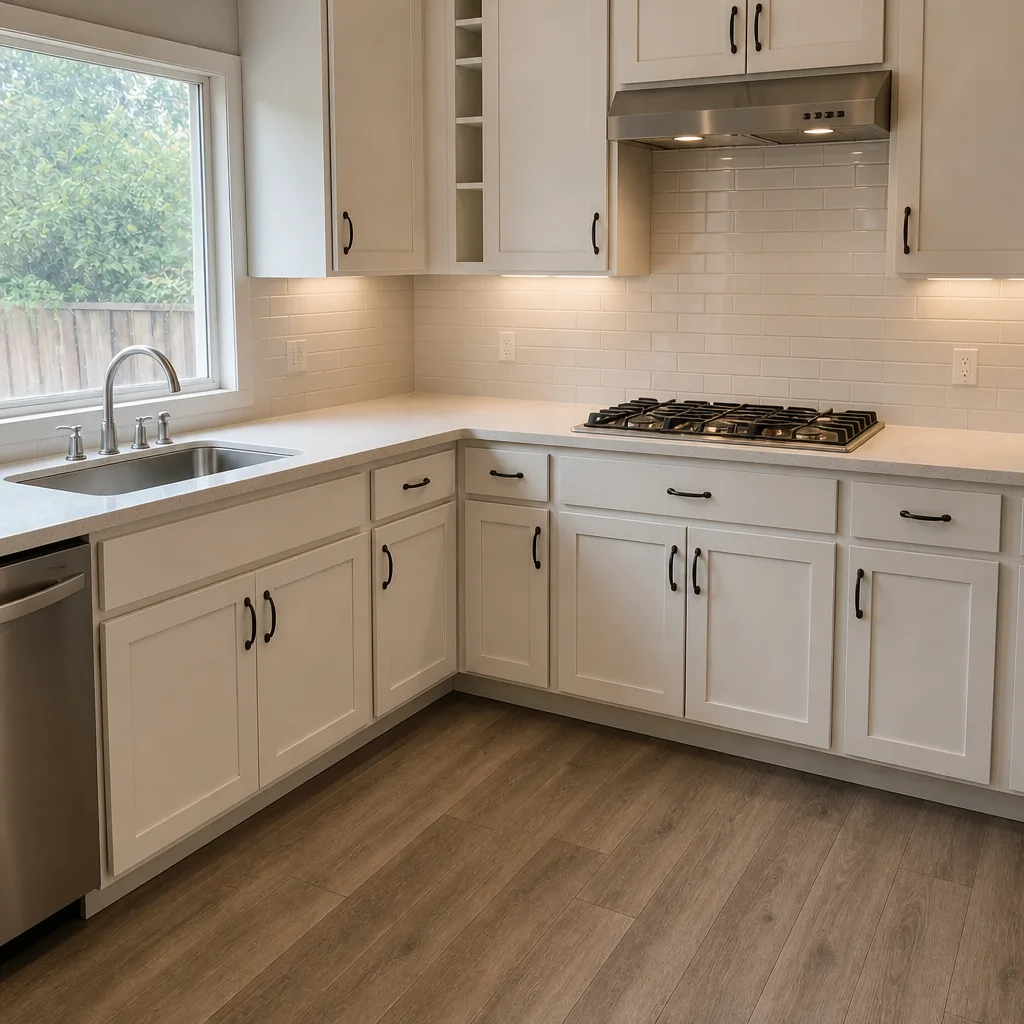 After
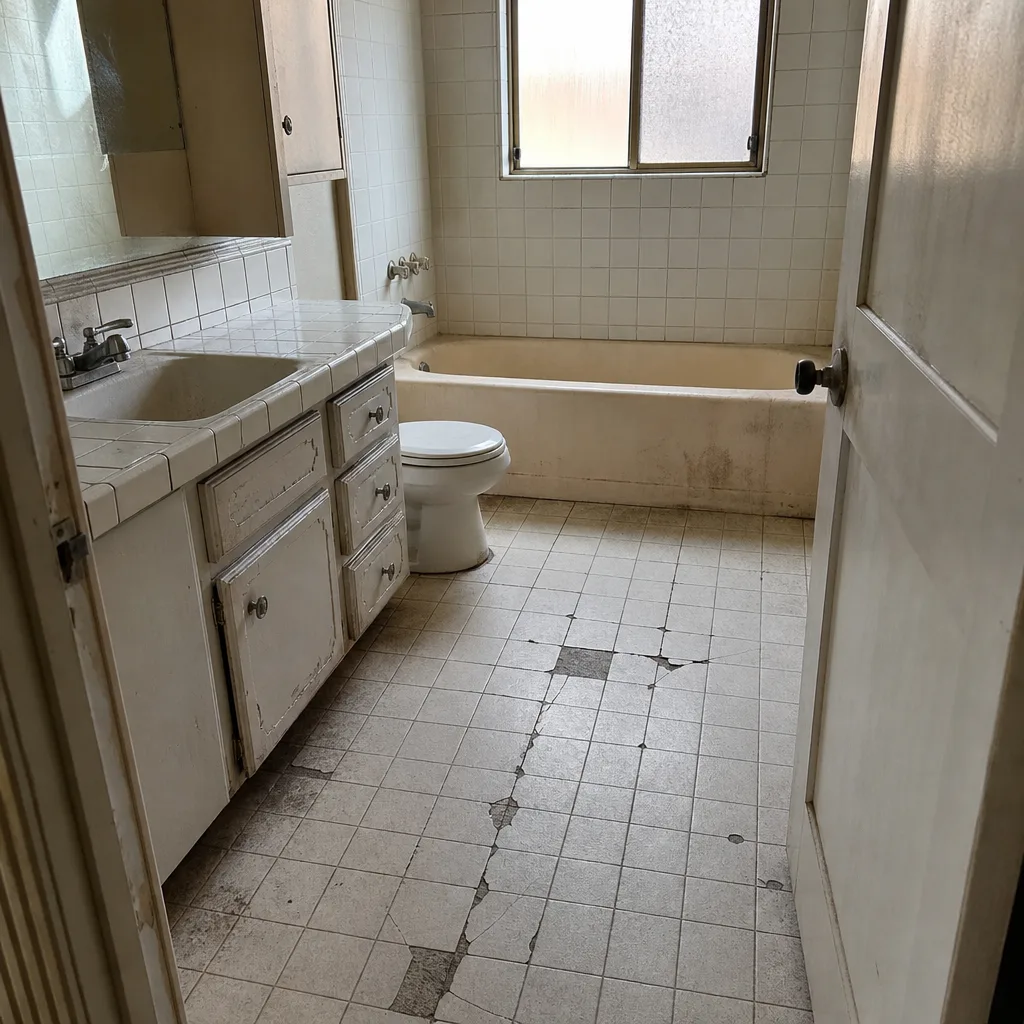 Before
 After
 Before
 After
When to Call a Professional
Call a professional the moment a warning sign stops being cosmetic, or when you can’t tell whether it is. Concretely, that means: any water entering the house, any gas smell, any structural member visibly failing, any crack you can slide a fingertip into, or any symptom that returns after being repaired. In our experience, a homeowner’s gut almost always knows when something is more than cosmetic. The cost of a professional diagnosis is small compared with the cost of chasing the wrong repair for two seasons.
If you’re in the middle of a project and suspect the source is in the ground, we’d look at the fence installation line if it’s posts, or the hardscape if it’s a slab. If the concern is the structural envelope, we’d look at the home additions & ADU scope to see how the original build meets the new wall. Construction Concord offers free estimates in Concord. Call (866) 611-9068. We answer 24/7. Fast dispatch from 7am to 7pm, Sunday through Friday.
Frequently Asked Questions

The most common sign is a repeating crack in a driveway or patio, followed closely by a ceiling or wall stain that returns each wet season. Both are soil and water symptoms, not material failures, which is why they come back after a cosmetic fix. If you’re seeing either one, the source is worth tracing before your next repair. Call (866) 611-9068 for a free estimate; our team can help identify the source.
No. Most cracks are cosmetic and worth monitoring rather than inspecting. A crack that’s hairline, vertical, and doesn’t return after a patch is usually fine. Call a professional if the crack is wider than a nickel, horizontal or stair-step, accompanied by sticking doors, or returns after a repair. Call (866) 611-9068 if you’re unsure; the estimate is free.
Look at three things: caulk where flashing should be, new finishes on old rough-in, and post footings that don’t match the age of the fence. Caulk on a roof or window is the clearest signal, because it’s the cheapest way to hide a defect for a season. If any of these show up in a recently flipped Concord home, get a professional opinion before you have a problem. Call (866) 611-9068 for a free assessment.
In Concord, it’s rarely a driveway problem on its own. Most driveway cracks trace back to clay soil movement under the base, or to water that isn’t draining away from the surface. A designed paver system built with a proper base and drainage holds up far better than a poured slab on the same soil. A free estimate will tell you which source you’re actually dealing with; call (866) 611-9068.
Very few. The genuine call-now situations are water actively entering the house, any gas smell, a visibly failing structural member, and electrical arcing. Everything else, including most cracks, stains, and separation, goes on the schedule list. If you’re not sure which category your concern belongs in, call (866) 611-9068; we answer 24/7 and can help you sort it.
Fix the drainage first, then repair the water damage. Water damage repair done before the source is fixed will reoccur the next time it rains, and on Concord’s clay, it will rain again. A professional diagnosis identifies the source before any repair is scoped. Call (866) 611-9068 for a free estimate that starts with finding the source.
The Bottom Line
Most construction warning signs in a Concord home are symptoms, not causes. A crack in a driveway is usually soil movement or drainage. A ceiling stain is usually a water source higher up the house. A door that sticks on one side of a house is often foundation movement, not a hinge. The homeowner’s job is to classify the symptom (water, movement, or deterioration), test whether it’s cosmetic or structural, and call a professional when the classification says so. The professional’s job is to trace it back to the source before quoting a repair. That’s the difference between a fix that holds for a decade and a patch that fails by next rain. If you’ve walked your property and one or two items have passed the cosmetic test and kept failing it, we can take a look. Call (866) 611-9068 for a free estimate. We answer 24/7, and fast dispatch runs from 7am to 7pm, Sunday through Friday. Construction Concord exists to look at the whole house, one contractor, every layer of your home, so the diagnosis and the repair line up from Construction Concord work in Concord.
Written by the team at Construction Concord.