
Last updated November 18, 2026








Free written scope consultation - allowances, timeline, and change-order rules on paper before a single trade is scheduled
How to Hire a Construction Contractor in Concord: A Step-by-Step Guide
In Concord, the most expensive contractor mistake isn’t hiring someone unlicensed. It’s hiring three separate licensed specialists who’ve never worked together and expecting them to hand off cleanly on a project that touches multiple systems. A kitchen remodel moves plumbing, electrical, and cabinetry in sequence. A home addition ties framing to roofing to drainage. Windows and doors meet both framing and finish. When each trade arrives as a stranger to the others, you become the project manager by default, and nobody is accountable for the seams.
This guide walks through how to hire a contractor in Concord properly: what a CSLB license actually covers, how to read public permit records, which contract terms deserve scrutiny, and how to structure a multi-phase project so coordination belongs to the contractor, not to you.
Quick Answer
To hire a construction contractor in Concord, verify the contractor’s CSLB license number and confirm the license class matches your project, pull the contractor’s public permit history from the city, request a written line-item bid with a detailed scope, and insist that one party own coordination across every trade. The skill that separates a good hire from a bad one isn’t just license and insurance: it’s whether the contractor will manage the handoffs between trades or leave that work to you.
Styles & brands we work with
- Kitchen remodeling
- Bathroom remodeling
- Home additions & ADU
- Roofing
- Windows & doors
- Driveway & pavers
- Fence
Table of Contents
- Step 1: Understand What a CSLB License Actually Covers
- Step 2: Find Out Who Actually Does the Work
- Step 3: Read the Contractor’s Permit History
- Step 4: Compare Bids Against the Scope, Not the Total
- Step 5: Read the Contract Like a Californian
- Step 6: Structure the Project So the Contractor Owns Coordination
- Step 7: Phase Multi-Area Work Without Creating Gaps
- Common Mistakes to Avoid
- When to Call a Professional
- Frequently Asked Questions
Step 1: Understand What a CSLB License Actually Covers
Most homeowners check a CSLB license the same way: look up the number, see “active,” and move on. The more important question is what license class the contractor holds, because a valid license in the wrong class won’t cover your project.
California’s Contractors State License Board separates licenses by trade and by scope. A general building contractor license (B) typically covers projects that involve two or more trades or that require structural work. A general engineering contractor (A) covers things like roads and earthwork. Class C licenses are specialty licenses, each tied to a narrow trade such as roofing (C-39), landscaping (C-27), or fencing. Specialty contractors are generally limited to work within their trade.
Here’s why this matters in Concord: many projects cross trade lines. A driveway and pavers installation may require grading, drainage, and hardscape work that a narrow license doesn’t cover. Windows and doors can involve structural openings and exterior finish that fall outside a pure specialty scope. Home additions and ADUs require a license that can pull permits for multiple trades together. A kitchen remodel touches plumbing, electrical, and cabinetry in one scope.
When you verify a license:
- Look up the license number on the CSLB website and confirm the status is active and in good standing.
- Note the license class letters and read what the CSLB says that class covers.
- Confirm the license covers every trade your project touches, not just one slice of it.
- Ask whether the contractor will hold the permits in their own name, which is a license-and-scope question as much as a paperwork one.
If you’re comparing a single-trade specialty contractor to a full-scope partner on a multi-trade project, this is the first place the difference shows up.
Step 2: Find Out Who Actually Does the Work
A contractor can hold a valid license and still hand nearly all the physical work to subcontractors they don’t control and rarely coordinate. That’s not automatically wrong, and subcontracting is normal in construction. The trouble comes when nobody at the top is accountable for the seams between trades.
Ask directly how much of the work the contractor self-performs and how much goes to subs. Then listen for the follow-up questions the contractor asks you. A contractor who runs an organized sub network will want to know the specific scope so they can match the right crews and sequence them. Someone who simply forwards a bid without discussion is telling you something.
These questions reveal a lot:
- Which trades on my project will be self-performed and which will be subbed out?
- Who is my single point of contact, and who is responsible when one trade’s work affects another’s?
- How do you sequence the trades so I’m not the one chasing down the next crew?
- What happens if a sub’s work fails inspection, and who pays for the re-inspection trip?
- Can I see how you’ve coordinated a project with a similar mix of trades?
For a project that spans multiple areas of the home, we’ve seen the difference between a contractor who can hold all seven trades together and one who simply brokers them. A full-scope partner coordinating driveways, fences, additions, bathrooms, windows, roofing, and kitchens under a single agreement is a different arrangement than a stack of separate contracts. If your project touches more than one area, ask whether the contractor can be that single point of accountability from the driveway to the kitchen.
Step 3: Read the Contractor’s Permit History
Permit records are public, and most homeowners never pull them. They’re one of the most honest signals available about how a contractor actually operates in Concord.
Concord, like most California cities, requires permits for structural work, many renovations, additions, and anything altering plumbing, electrical, or gas systems. A contractor who builds a pattern of pulling permits properly and passing inspections is showing you, in a public record, that they follow through. A contractor with a spotty pattern of unpermitted work carries risk you’ll inherit.
How to read permit history:
- Look for a steady pattern. Consistent permit activity over a few years indicates regular, disciplined operations.
- Check the close-out status. Older permits left “open” with unresolved final inspections are a caution flag.
- Match permit types to project sizes. A contractor who routinely pulls permits for structural and multi-trade work is set up for larger projects.
- Cross-check the license number on the permit against the contractor’s CSLB record to confirm the person who pulled the permit can lawfully do that work.
Ask the contractor to walk you through how they handle permits and inspections on a project like yours. A clear, specific answer tells you whether permitting is part of their normal process or an afterthought. If a contractor suggests skipping the permit to “save time,” that’s your answer about how they operate.
Step 4: Compare Bids Against the Scope, Not the Total
Bids that differ by thousands usually don’t cover the same work. Comparing the bottom-line totals without comparing the scope is how homeowners end up surprised mid-project. Break every bid into the same categories before you decide anything.
A fair bid should be written and line-item based, showing:
- Explicit scope. What’s included, what’s excluded, and which brands or product lines are specified.
- Material selections and allowances. Named products (for example, a Kohler or Moen fixture, or a Blanco sink) so you’re comparing the same quality tier, not one bid’s premium option against another’s substitute.
- Separate labor and material figures and a clear statement of how changes are handled.
- Allowances honestly described, including whether increases are the customer’s responsibility.
- Payment schedule tied to milestones, not to elapsed time.
- Cleanup, disposal, and final inspection line items, not hidden in “miscellaneous.”
The written estimate sets the final price. Any bid you can’t map line-by-line onto the scope you agreed to is a bid you can’t compare. If you’re weighing a kitchen remodel alongside a bathroom, ask how a combined bid prices the work; shared labor and staging can change the numbers in ways a single-room bid doesn’t reflect.
Step 5: Read the Contract Like a Californian
California residential construction law gives homeowners specific protections and requires specific contract terms. Understanding those terms helps you spot clauses that shift risk back to you.
Look for these red flags in a Concord residential contract:
- Large up-front deposits. California caps the down payment on most home improvement contracts. Ask the contractor to point to the deposit term and confirm it’s within the legal limit.
- No written scope and no written change order process. Verbal changes become disputes. The contract should require written, signed change orders before work changes.
- Missing notice of cancellation. California home improvement contracts generally must include the buyer’s three-day right to cancel. If it isn’t there, the contract is missing a required term.
- No license number on the contract. The license number should appear in the contract, not just on the business card.
- Payment tied to “progress” without milestones. Ask for payment tied to specific completed stages, not to the passage of time.
- A clause limiting the contractor’s warranty or liability in ways you can’t read. Ask for it in plain language before signing.
Read the contract once for the scope and once for the terms. If a clause is unclear, ask the contractor to explain it in writing and add the explanation to the contract. Any contractor worth hiring will do that without grumbling.
Step 6: Structure the Project So the Contractor Owns Coordination
This is where the standard vetting checklist falls short. License, insurance, and references confirm competence. They don’t confirm the contractor will manage the handoffs across trades. That’s the coordination question, and it’s the one that quietly sinks multi-trade projects.
A well-structured project makes coordination the contractor’s job. Here’s what that looks like:
- One main contract per project, with a single named point of contact and a documented schedule showing each trade’s start and finish.
- Sequencing rules in writing. Framing before roofing; rough-in plumbing before tile; cabinet delivery before countertop templating.
- Written accountability for trade interfaces. If the tile meets the window trim, who’s responsible for the joint? That should be answered before work starts.
- A schedule that shows overlap risk. When a delivery slips, which downstream trades move with it, and who tells you?
- One hold point for inspections. The contractor schedules and attends inspections, not you.
Ask a specific question: “On a project where my kitchen and bathroom both need plumbing work, will the same crew handle both rough-ins, or will two crews show up on different days with no one coordinating?” The answer tells you whether the contractor is set up to coordinate or set up to hand off.
For larger residential projects, whether you’re planning a home additions & ADU or a phased renovation across several rooms, structuring the agreement so one party owns the schedule is the single biggest protection you can build in. If you’re considering a prefab ADU, ask how the manufacturer’s delivery schedule syncs with site preparation. Prefab systems have a fixed production window, and the site work has to be ready on time or the schedule breaks.
For exterior scopes, coordination matters too. On a new fence installation, alignment with property lines, grading, and drainage is part of the job, not something to sort out later. The same principle applies to a driveway & pavers project: base prep and drainage determine whether the surface performs, and that base work has to be sequenced with grading before the pavers arrive.
Step 7: Phase Multi-Area Work Without Creating Gaps
Many homeowners can’t do everything at once. Phasing is normal, and a good contractor makes it an advantage rather than a source of overlapping gaps. The key is planning the whole project before executing any single phase.
A well-phased plan:
- Locks the full scope at the start so each phase fits the others, even if it’s built later.
- Sequences structural work first. If an addition or a window addition is on the horizon, do it before finishes that depend on the opening.
- Sequences exterior before interior where possible. Roofing, windows, and exterior drainage before kitchens and bathrooms.
- Documents what each phase leaves ready for the next, so a future contractor isn’t guessing about the rough-in, framing, or drainage.
- Prices each phase in writing at the start, while the scope is still a known quantity.
A full-scope contractor can let you phase without creating gaps because the whole plan is designed together. You select materials as a single palette, not a series of decisions made in isolation. For example, choosing kitchen sinks across phases from one manufacturer’s line, such as Kohler or Blanco, keeps fixtures coherent across years. The same logic connects windows and doors to interior trim, cabinets to countertops, and roofing to gutters and drainage.
Common Mistakes to Avoid
- Checking that the license is active but not what class covers your work. A valid license in the wrong class doesn’t protect you. Read the class letters and confirm they cover every trade your project involves.
- Letting the lowest bid win on scope it didn’t include. Ask each bidder to quote the same scope, then compare line items. A missing bathroom exhaust fan or disposal allowance is a pricing gap, not a bargain.
- Pulling the permits yourself. When the homeowner holds the permit, the homeowner inherits inspection issues and open permits. Let the contractor hold permits in their own name.
- Coordinating trades on your own. If the plumber and the tile setter are each waiting on the other, you’ve become the general contractor. Structure the agreement so one party owns sequencing.
- Signing a contract without a written change order process. Verbal scope changes become disputes. A written change order process protects the contractor and you.
- Never pulling the contractor’s Concord permit history. Public records show whether permits are pulled and closed out. Five minutes on the city’s permit portal can save months of anxiety.
- Phasing without a plan for the whole project. If phase two wasn’t designed alongside phase one, the finishes and rough-in may not line up. Plan the whole project before breaking ground on the first phase.
When to Call a Professional
Some projects aren’t worth trying to manage yourself. Anything that requires a permit, touches structural framing, alters plumbing, electrical, or gas systems, or coordinates multiple trades is a professional call. Roof and window work that involves opening the building envelope, hardscape projects with significant grading and drainage, home additions, and kitchen or bathroom remodels are also better handled by a licensed contractor who can pull permits and sequence the work.
If you’re midway through a project and the trades are stepping on each other, the right move is to bring in a contractor who can take over coordination rather than trying to referee the handoffs yourself. A Construction Concord project structure puts a single point of contact in charge of the schedule, the trades, and the permits.
Construction Concord offers free estimates in Concord. Call (866) 611-9068. We answer 24/7. Fast dispatch from 7am to 7pm, Sunday through Friday.
Frequently Asked Questions
The cost depends on the scope, materials, and whether the project changes plumbing or electrical layout. A bathroom remodel and a kitchen remodel are both priced per job by a written line-item estimate, so there is no single number that fits. Call (866) 611-9068 to schedule a free estimate, and the written quote will set the final price.
Yes. California requires a licensed contractor for projects over the statutory threshold, and the license class must match the work. A general building contractor (B) license typically covers projects involving multiple trades or structural work, while specialty licenses are limited to a single trade. Look up the license number on the CSLB website and confirm the class covers every trade in your scope. Call (866) 611-9068 if you’re unsure what license your Concord project requires.
You can, and the contractor should generally pull it. When the homeowner pulls the permit, the homeowner is responsible for inspections and for closing it out. Having the contractor hold the permit keeps accountability with the contractor who is coordinating the trades. Ask for a written statement that permits and inspections are part of the scope. Call (866) 611-9068 for a free estimate and a clear permitting plan.
A Concord construction contract should include a written scope, a license number, a payment schedule tied to milestones, the buyer’s cancellation notice, and a written change-order process. California caps the down payment on most home improvement contracts, so confirm the deposit term complies. If any clause is unclear, ask for it in writing in plain language before signing. Call (866) 611-9068 to walk through how our estimate and contract are structured.
The written estimate sets the final price. Prices change only through signed written change orders for scope the original estimate didn’t include. That’s why the written scope matters: it draws the line so the price doesn’t drift. Ask every bidder how they handle changes before you sign anything. Call (866) 611-9068 for a free estimate with a scope you can compare line by line.
Look up the contractor’s license number on the CSLB website and review the city’s online permit portal to compare permit activity and close-out status. This reveals whether a contractor regularly pulls permits and passes inspections, which is public information most homeowners never check. A contractor with a clean permit history is more likely to keep your project compliant. Call (866) 611-9068 to discuss your project’s permitting needs.
The Bottom Line

Hiring a contractor in Concord comes down to three checks that most vetting guides skip. First, understand what the license class covers, not just that it’s active. Second, find out who actually performs the work and who owns coordination. Third, read public permit history to see whether the contractor follows through on inspections. Then compare bids against a written scope, read the contract for California-specific protections, and structure any multi-phase project so a single party owns the schedule. The contractor who does all that is worth the call. We’re glad to help you sort out the scope before you commit to anything.
Call (866) 611-9068 for a free estimate. We answer 24/7. Fast dispatch from 7am to 7pm, Sunday through Friday. The written estimate sets the final price, and every project gets a clear line-item scope you can compare against other bids.
Written by the team at Construction Concord.
See the difference
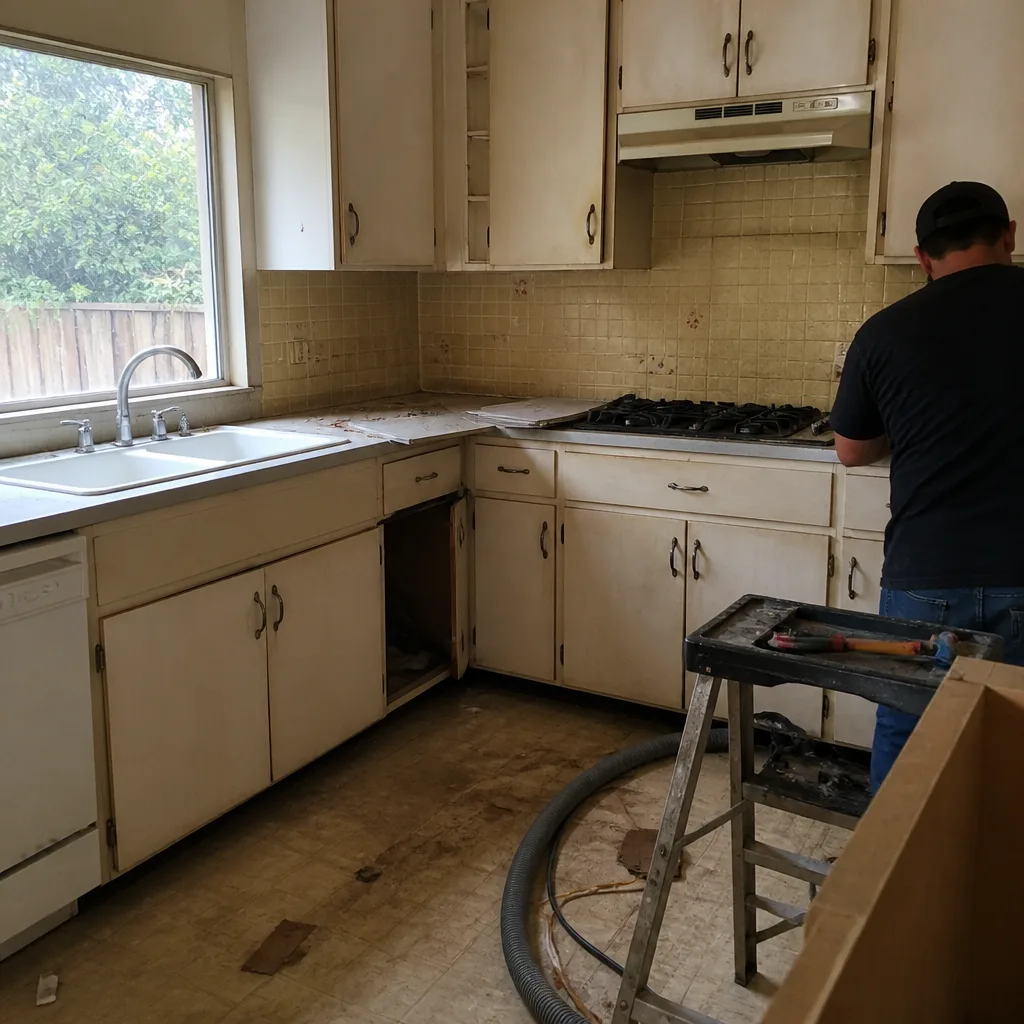 Before
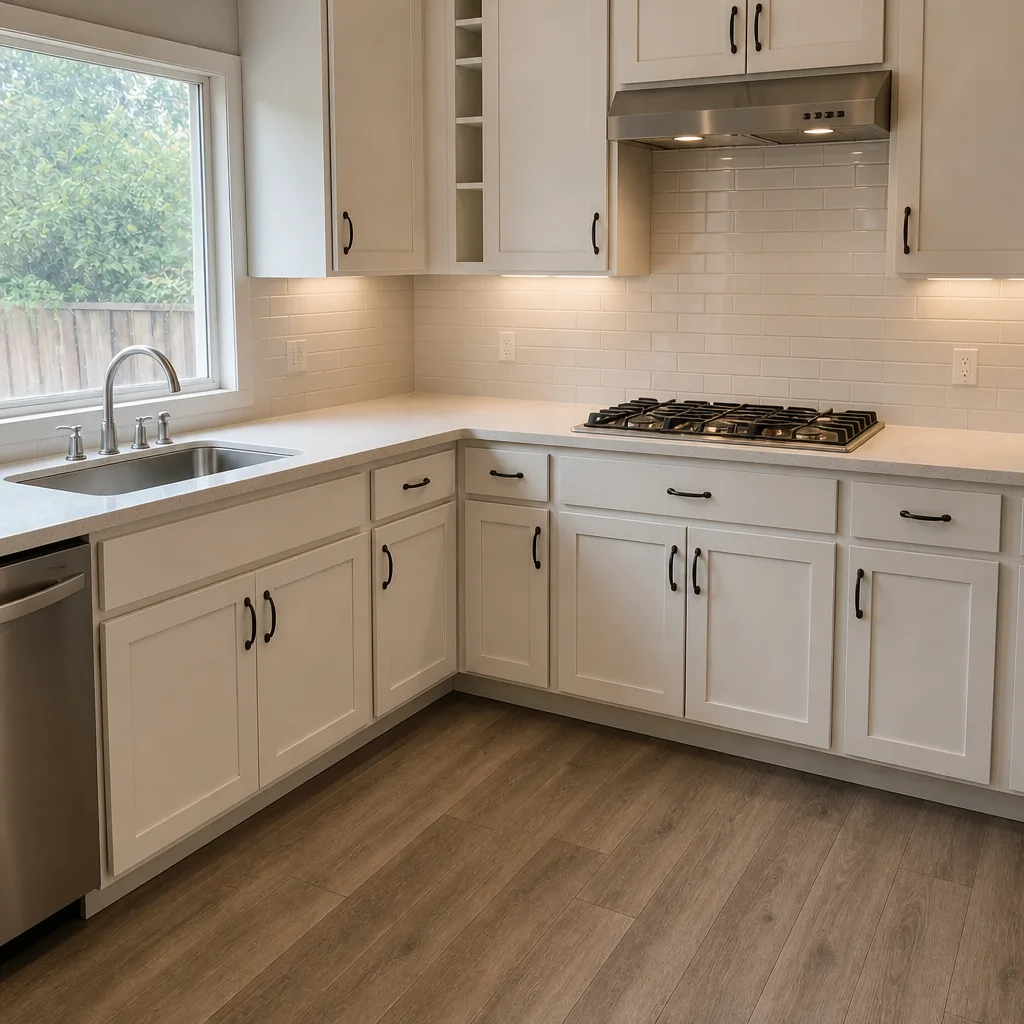 After
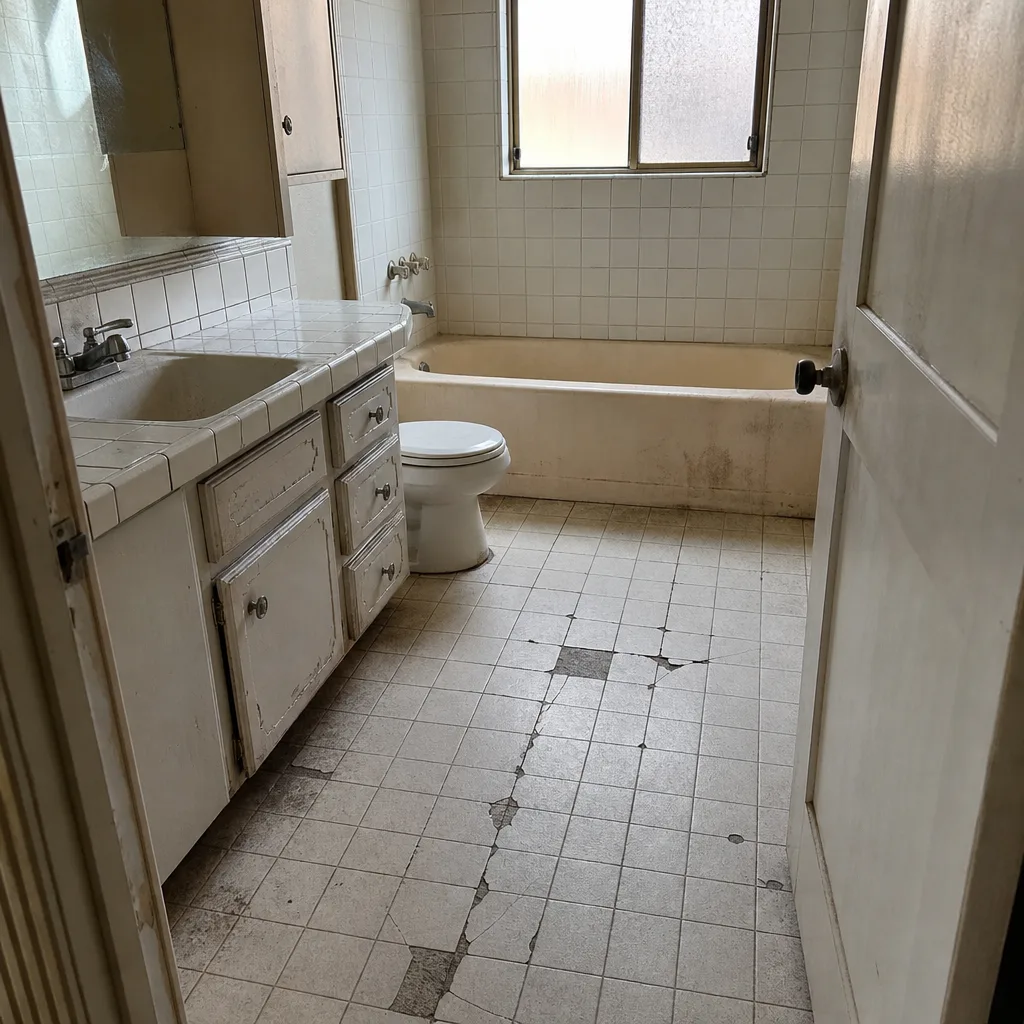 Before
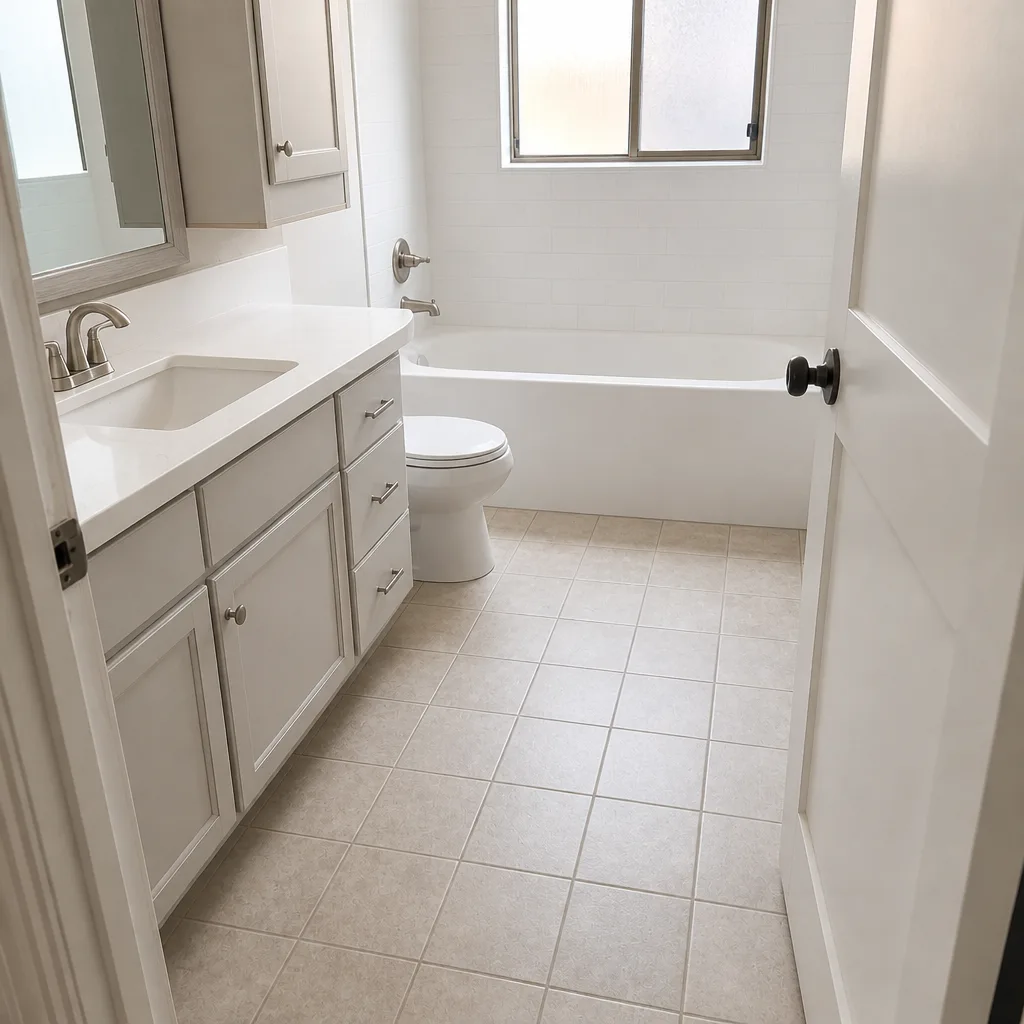 After
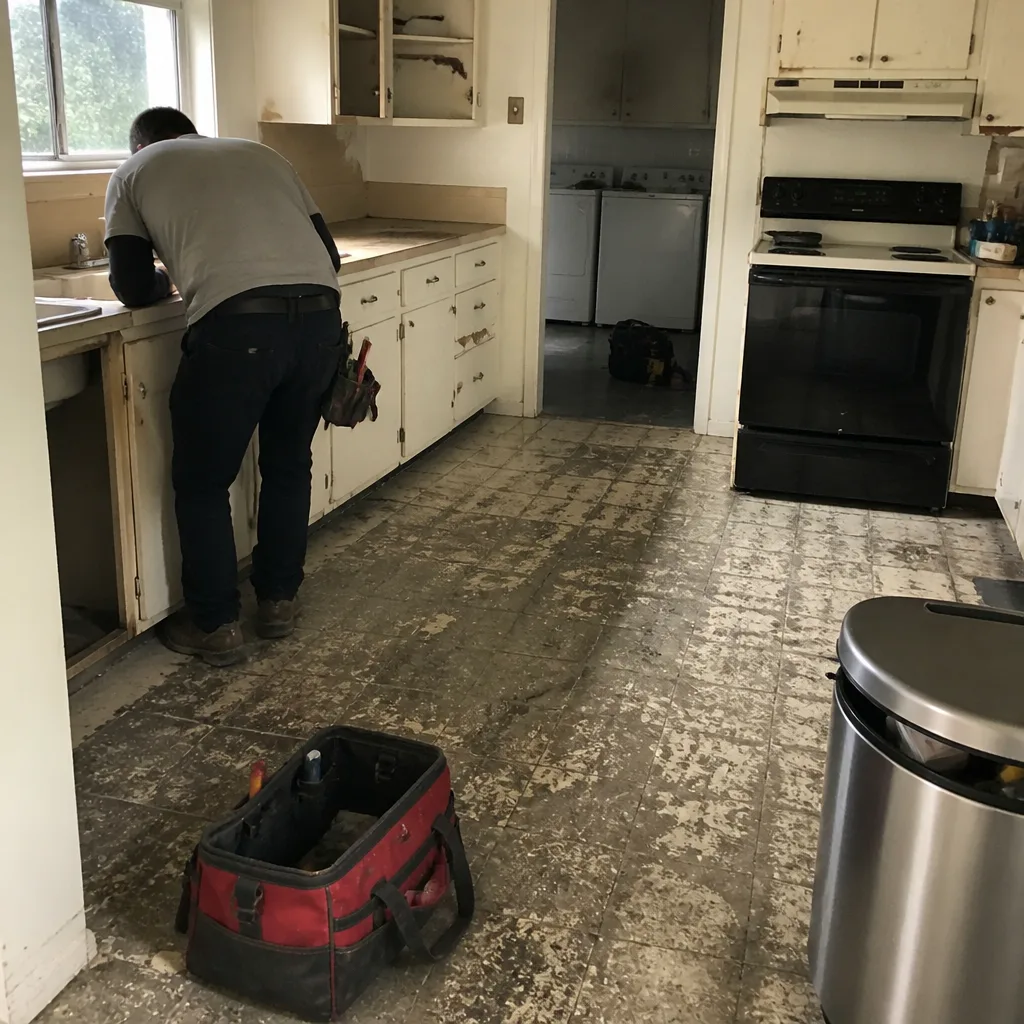 Before
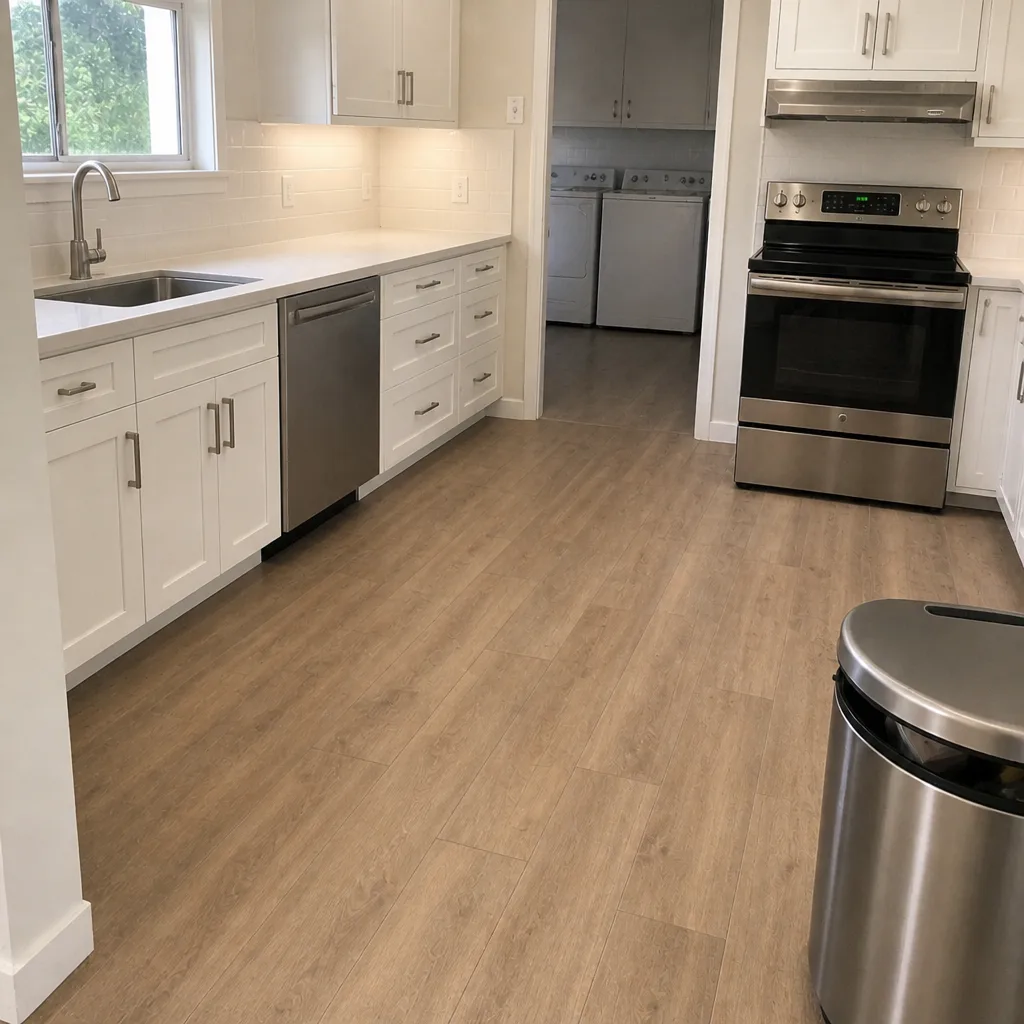 After