Last updated November 18, 2026


Free written scope consultation - allowances, timeline, and change-order rules on paper before a single trade is scheduled
Construction Permits, Codes & Inspections in Concord, CA: What You Need to Know
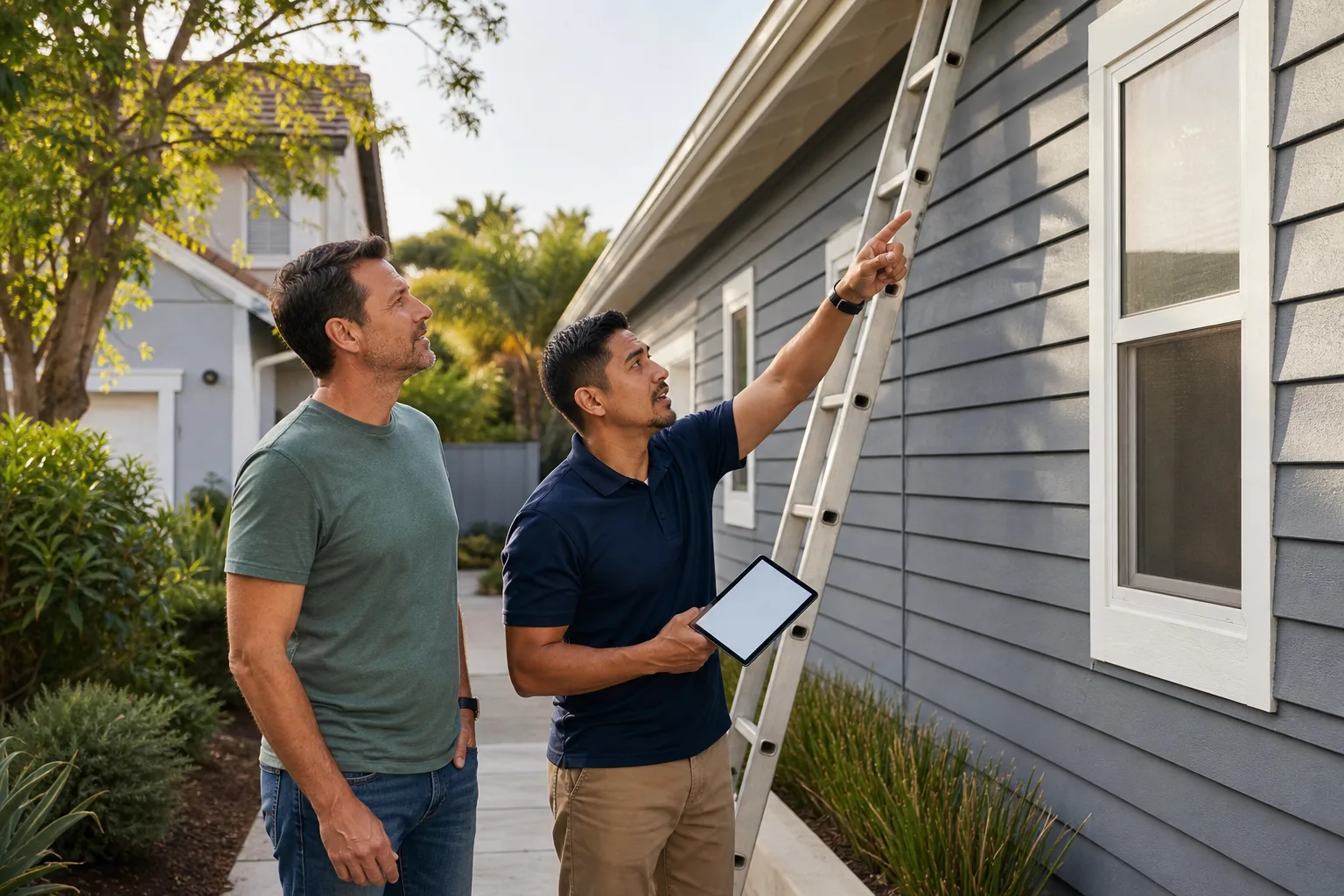
Most permit trouble in Concord doesn’t start with bad work. It starts with a homeowner or a crew assuming a “small” job doesn’t need a permit – a patio slab, a low retaining wall, a new drain line, a re-roof over the old shingles. Those assumptions are where projects get expensive, because once work is done without a permit, the fix isn’t a form. It’s opening walls, pulling permits after the fact, and explaining it all to a buyer’s agent a few years later. This guide walks through what Concord actually requires, how the inspection sequence works, which failures are real and which are just corrections, what unpermitted work does to a Contra Costa County sale, and how a contractor who knows the process front-loads the paperwork so the build doesn’t stall halfway through. We’ll cover it the way we’d explain it to a neighbor standing in their driveway.
Quick Answer
In Concord, CA, most structural, electrical, plumbing, and mechanical work requires a building permit, and many projects homeowners assume are exempt – flatwork, retaining walls above a low height, certain drainage and site work, re-roofs – do require one depending on scope. The typical path is: submit plans to the City of Concord’s building department, get plan review approval, pay fees, build, then pass a sequence of inspections before final sign-off. Unpermitted work surfaces during a Contra Costa County sale and can stall or kill a transaction.
Styles & brands we work with
- Kitchen remodeling
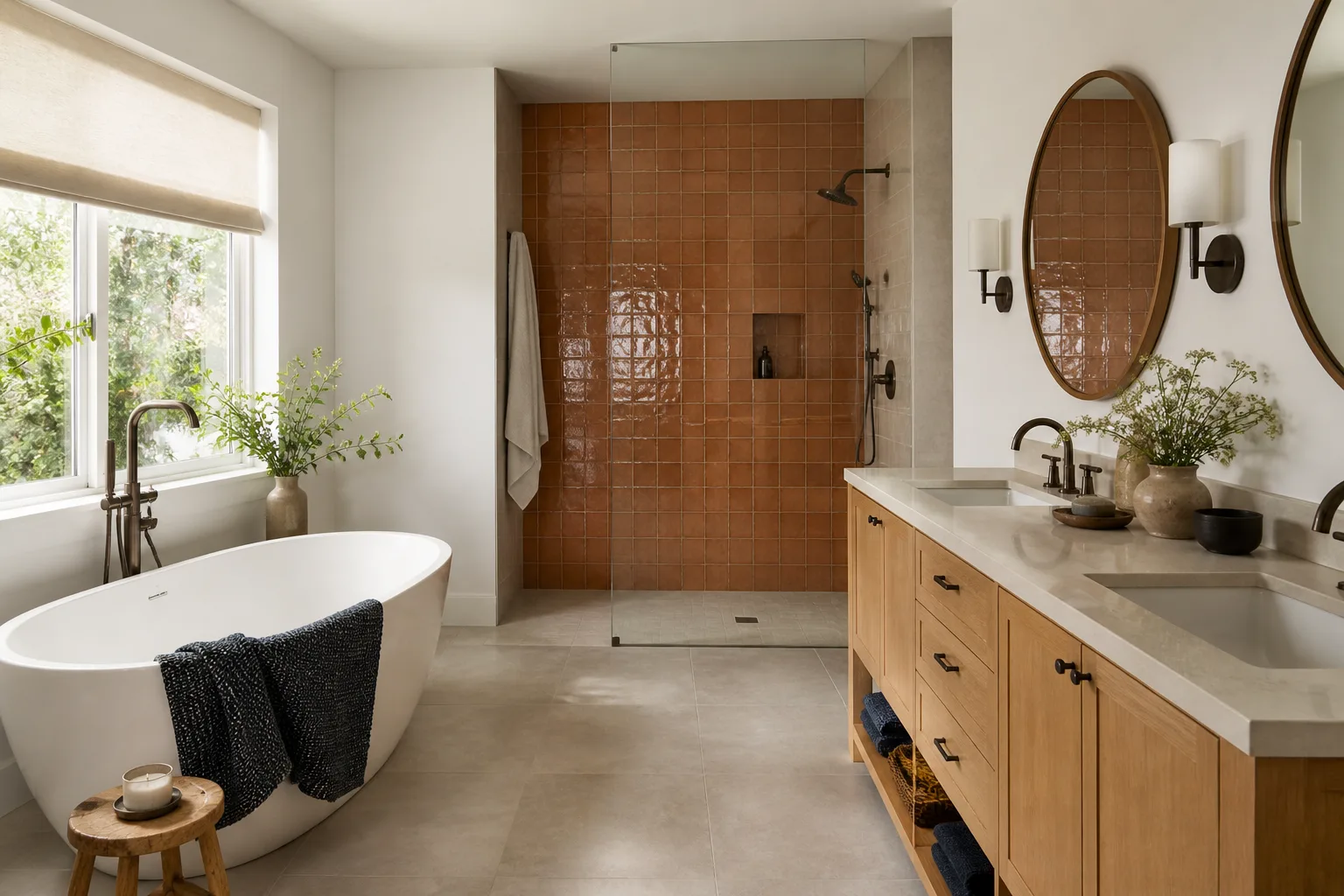
- Bathroom remodeling
- Home additions & ADU
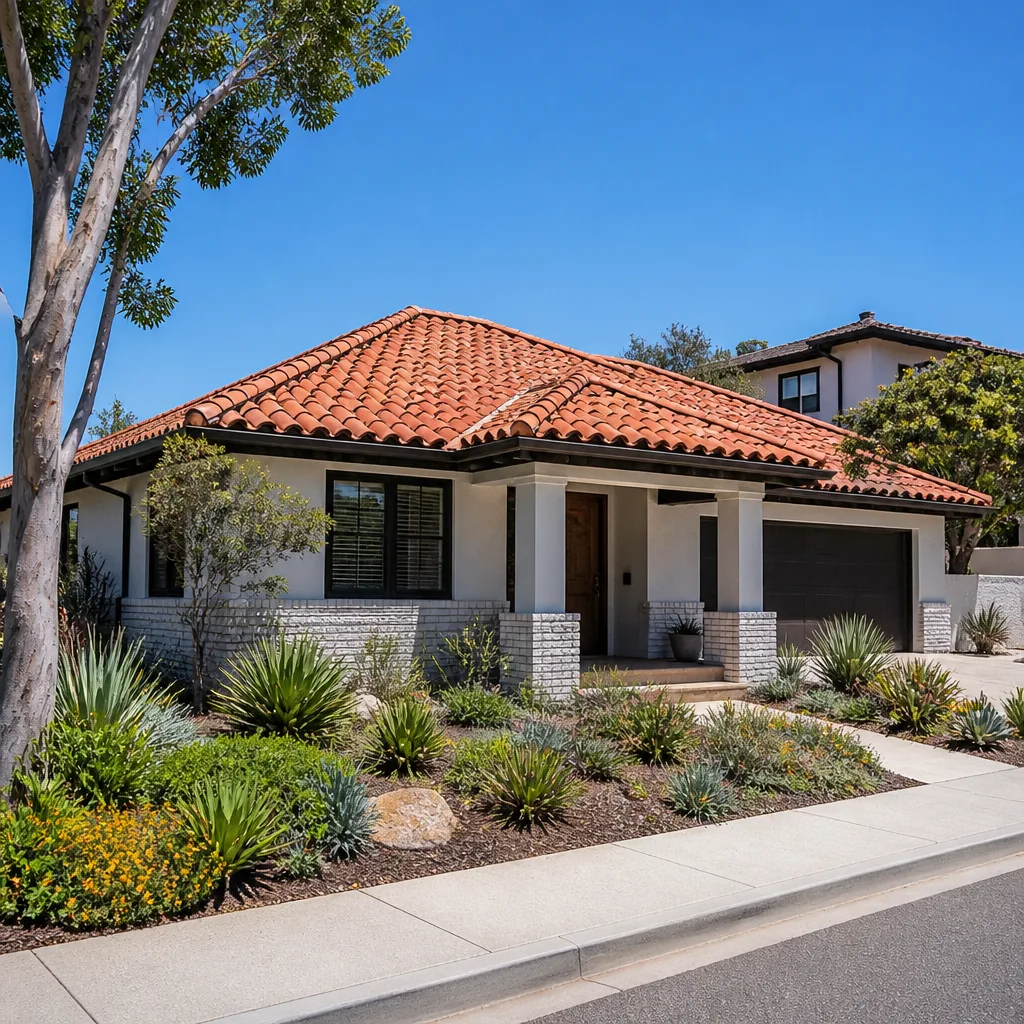
- Roofing
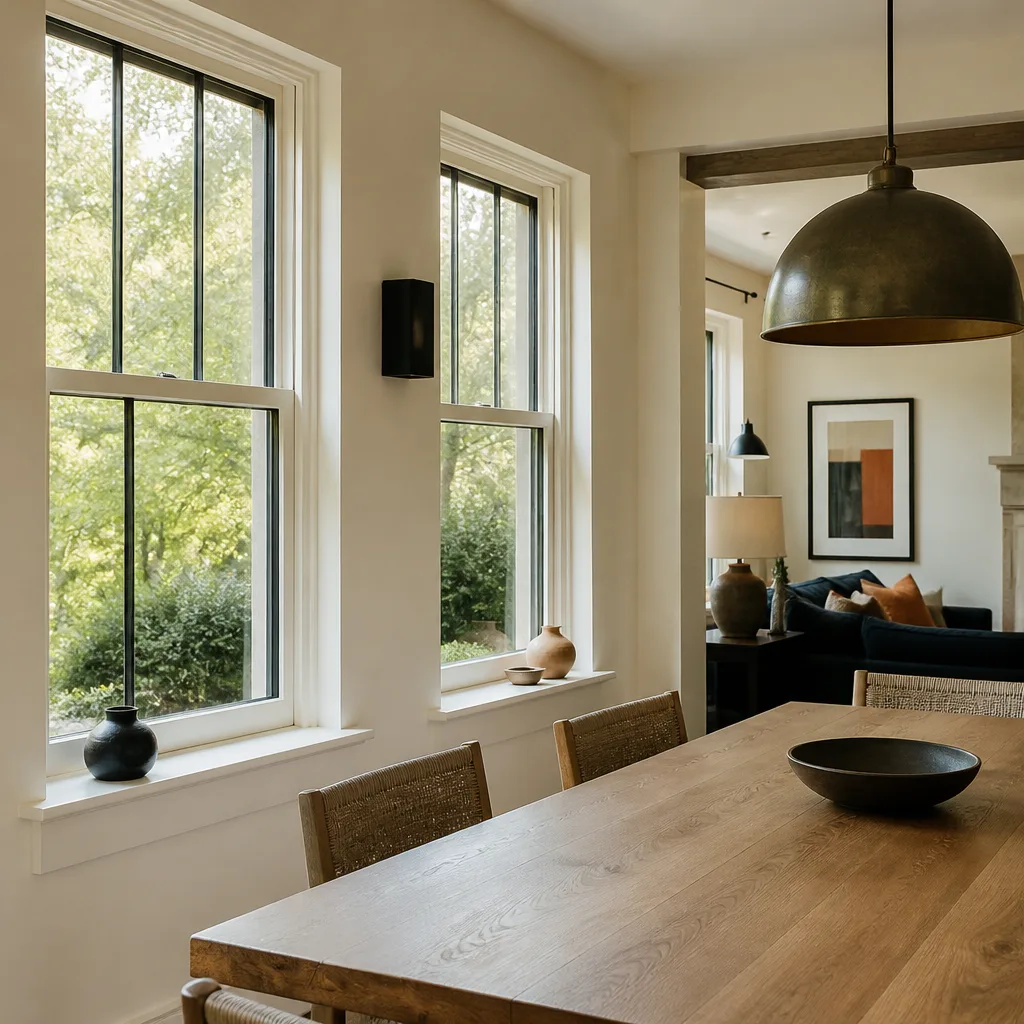
- Windows & doors
- Driveway & pavers
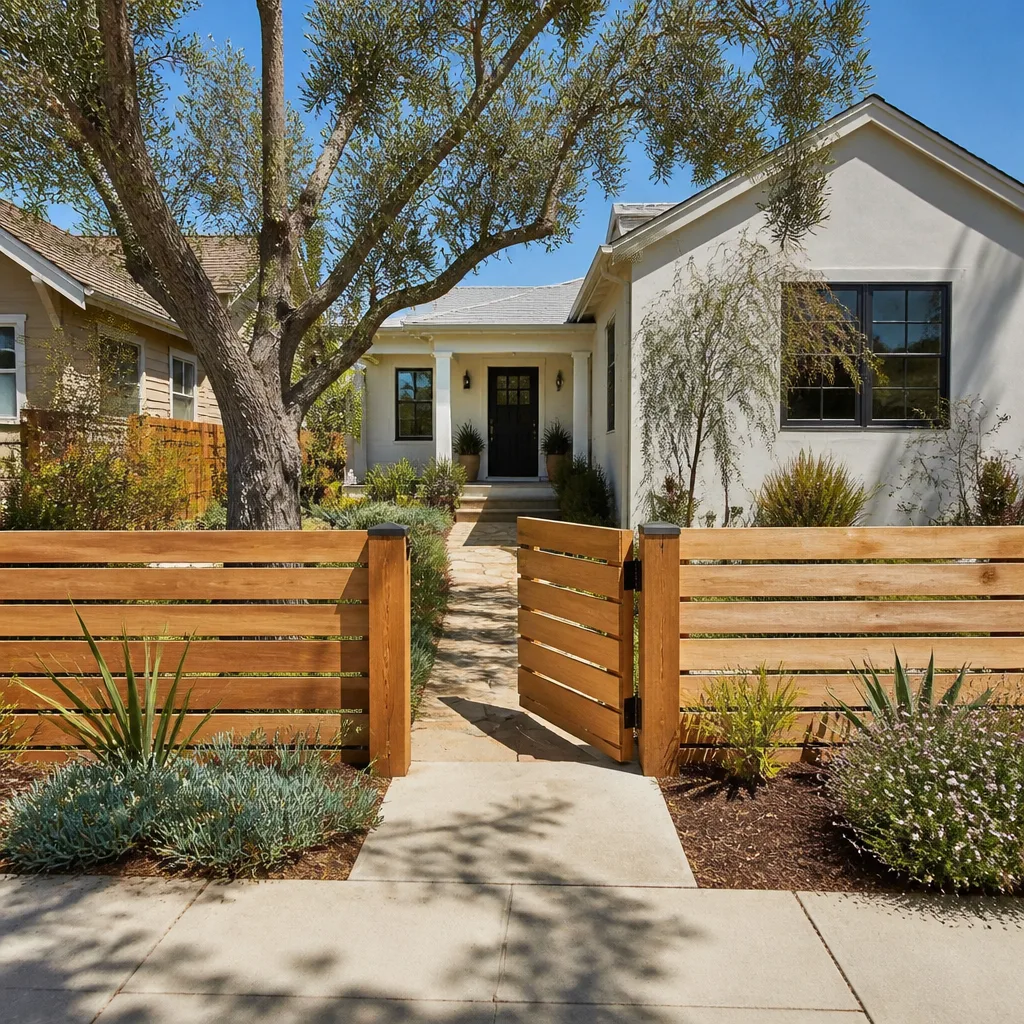
- Fence
Table of Contents
- Which Concord Projects Need a Permit (and Which Surprise People)
- The Concord Inspection Sequence, Step by Step
- Failed Inspection vs. Correction Notice: What’s the Difference?
- How Unpermitted Work Affects a Contra Costa County Home Sale
- Concord Permit Fees and Realistic Timelines by Project Type
- How an Experienced Contractor Front-Loads Permit Prep
- Codes That Come Up Again and Again in Concord
- Where the DIY Line Sits (and Where It Shouldn’t)
Which Concord Projects Need a Permit (and Which Surprise People)
Here’s the short version: in Concord, if the work touches structure, the building envelope, or the systems inside the walls, plan on a permit. The surprises come from the exterior and site-work side of the list, where homeowners consistently assume a flat concrete slab or a low wall is “just landscaping.”
Projects that almost always need a permit in Concord:
- Any addition, bump-out, or home additions & ADU project, including converting a garage or building a detached unit
- Interior remodels that move or add walls, plumbing, or electrical circuits
- Bathroom and kitchen remodels that relocate drains, add a circuit, or change a window
- Re-roofing, including a tear-off and re-cover
- Window and door replacements that change the rough opening or egress
- Fence installation above the local height threshold, and any fence over a certain height near a corner for sight visibility
- Retaining walls above a low height, and any wall that holds back a slope or supports a structure
- Electrical panel changes, new circuits, and gas line work
- Water heater replacements and HVAC change-outs
The category that catches the most people in Concord: flatwork and site drainage. A new concrete driveway apron, a re-graded side yard that changes how stormwater leaves the property, or a paver patio tied into a slope can all pull a permit depending on the depth, the slope, and whether the work crosses the property line or a public right of way. That’s why a proper driveway & pavers project starts with a conversation about the city’s requirements before a single paver is laid. If you’re changing grade, adding a wall, or touching the sidewalk apron, assume you need to ask.
What usually doesn’t need a permit: repainting, replacing like-for-like fixtures without moving plumbing, cabinet refacing, floor coverings, and most interior cosmetic work. If you’re on the fence about a specific job, the city’s permit counter is the fastest answer – but “we didn’t think it needed one” is not a defense once the work is in the ground.
The Concord Inspection Sequence, Step by Step
Inspections aren’t a single visit at the end. They’re a sequence, and out-of-order work is one of the most common reasons a project stalls. In Concord, a typical permitted build follows a predictable order, and each inspection unlocks the next phase of work.
- Permit application and plan review. You submit drawings, a scope description, and any required engineering or site plan. The city reviews for code compliance and may issue comments for revision before approval.
- Permit issuance and fee payment. Fees are paid at issuance; the approved plans and permit card stay on site for the whole job.
- Pre-construction or footing inspection. Before concrete is poured for foundations, the reinforcing and layout are inspected.
- Framing, rough-in, and trade inspections. Once the structure is up, framing, electrical rough, plumbing rough, and mechanical rough are inspected before insulation and drywall close them in.
- Insulation and drywall. After the rough inspections pass, the walls close up.
- Final inspections by trade. Electrical, plumbing, and mechanical finalize; building final covers the overall scope.
- Final sign-off and certificate of occupancy or completion. The permit closes, and the work is officially on record with the city.
Two things trip people up here. First, the rough-in inspection has to happen before the drywall goes up. A crew that closes walls early to “save time” ends up opening them again. Second, the permit card has to be available and signed at each visit; missing documentation turns a routine inspection into a same-day fail even when the work is fine. In our experience, the projects that close cleanly are the ones where the contractor builds the inspection schedule into the construction calendar from day one, rather than calling for a visit when the crew happens to be between phases.
Failed Inspection vs. Correction Notice: What’s the Difference?
A correction notice is a list of things to fix before you call for re-inspection. A failed inspection is a red tag on the job – an inspection that didn’t pass because work wasn’t ready, wasn’t accessible, or wasn’t installed to code. Both require action, but they carry different consequences for your timeline.
What triggers a correction notice:
- Minor code deficiencies a crew can fix and re-present (an anchor missing, a cover plate off, a label missing)
- Documentation gaps – plans not on site, permit card not signed, an inspection not scheduled for the right phase
- Items the inspector flags as needing verification before the next phase
What triggers a failed inspection:
- Work concealed before the rough-in was inspected (drywall over un-inspected framing)
- Structural work not built to the approved plans
- Life-safety items – egress, smoke and carbon monoxide alarms, guardrails, handrail height
- Trade work installed without the matching permit
The practical difference: a correction notice usually means a quick re-inspection. A failed inspection can mean opening walls, redoing rough work, and a second round of fees or delays. In Concord, the phrasing on the report matters – read it literally. A correction is fixable today; a fail usually means the schedule just shifted. Ask your contractor to walk you through the report the same day it lands, not when the next phase is already in motion.
How Unpermitted Work Affects a Contra Costa County Home Sale
This is the part nobody thinks about until they’re under contract. In Contra Costa County, unpermitted work typically comes up in one of three places during a sale: the seller’s transfer disclosure statement, the buyer’s inspection contingency, and the title or permit history the buyer’s agent requests from the city. Any of the three can reopen a deal that was already moving.
Here’s how it usually plays out. A buyer’s inspector notices an addition that doesn’t match the assessor’s record, or a patio cover with no evidence of a permit. The buyer asks for permits; the seller has none. Now the options are expensive: apply for a permit after the fact and bring the work up to current code, remove or revert the work, or negotiate a credit that usually exceeds what the permit would have cost in the first place. In the stricter scenarios, the lender can balk at financing a home with unpermitted living space, and the appraiser won’t count square footage that isn’t on record.
The pattern we see most often in Concord isn’t a shady addition – it’s a homeowner doing a “small” upgrade without paperwork years earlier, then discovering it during a sale. A finished garage conversion, a re-roof done by a handyman, a bathroom remodel that moved a drain without a permit: any of these can become a title problem at the worst possible time. The fix is always cheaper before the work gets done.
If you’re planning an exit in the next few years, pull the city’s permit history on your address now. If something’s missing, getting it permitted and inspected while you still own the home is a far better position than negotiating it as a credit under contract.
Concord Permit Fees and Realistic Timelines by Project Type
Permit fees in Concord are set by the city’s adopted fee schedule and scale with project valuation and scope – small jobs fall into low flat fees, larger structural work is priced as a percentage of valuation. Exact numbers change, so the realistic move is to get a written fee estimate from the city’s permit counter for your specific scope before you sign a contract. Timelines, though, follow a pattern worth knowing.
Here’s a realistic look at what to plan for, from application to final sign-off:
- Bathroom remodel: plan review usually a few weeks, construction a few more, inspections in sequence. Expect the whole permit cycle to run a couple of months on a standard scope.
- Kitchen remodel with plumbing and electrical relocation: similar review window to a bathroom, but a longer build phase because of cabinetry and countertop lead times. Plan on two to three months, sometimes longer if materials are custom.
- Re-roof: one of the faster permits, typically issued quickly once the scope is clear, with a framing and final inspection. A week or two of inspection overhead on top of the roofing days.
- Window and door replacements: permits are often pulled as a single package for the whole scope, so plan a week or two of plan review before installation begins.
- Home addition or ADU: the longest cycle. Plan review alone can run several weeks, and the build phase is measured in months. Sequencing inspections correctly is what keeps the timeline from stretching.
- Fence installation: fast-tracked in many cases, but height and sight-distance rules still get checked; a permit can be issued quickly when the scope is simple.
The timelines shift with plan review volume and how complete your initial submission is. A package with drawings, a clear scope, and the right trade permits included moves faster than one that gets bounced back with comments.
Cost is a different conversation. The city’s fees cover the city’s side. What the work itself costs is set by the contractor’s written estimate, which should spell out exactly what’s covered – plans, permit pull, inspection coordination, materials, and labor – so the price doesn’t drift once work starts. Our approach is a written line-item estimate with the permit path already priced in, so there are no surprises once the crew shows up.
How an Experienced Contractor Front-Loads Permit Prep
The difference between a smooth Concord project and one that sits open for months usually happens in the weeks before construction starts. Front-loading permit prep means doing the paperwork, the plan review, and the inspection sequencing before the crew is on site, not after.
Here’s what that looks like in practice:
- Scope locked in writing. The contractor and homeowner agree on what’s changing and what isn’t, so the plans match the build. Mid-plan scope changes are the number one cause of plan review delays.
- Plans and drawings that anticipate comments. A submission prepared to the city’s format, with structural details and site notes included, comes back with fewer revisions.
- All trade permits pulled together. Electrical, plumbing, and mechanical permits filed alongside the building permit so the inspections sequence works. Separate trade permits filed later are a common cause of a stalled rough-in.
- Inspection calendar mapped to the build schedule. Each inspection is scheduled for the phase that precedes the work it unlocks, not after the crew has moved on.
- Materials lead times checked before permit pull. Custom cabinetry, windows, and countertops have their own timelines – a permit issued six weeks before the cabinets arrive is wasted time.
- One accountable point of contact. A single contractor coordinating plans and inspections is faster than chasing five different trades to get permit sign-offs scheduled.
This is a big part of why we run the seven trades under one roof. When Construction Concord coordinates the build, the permit sequence stays in sync with the construction schedule instead of running a half-step behind it. Roofing, windows, kitchens, baths, hardscape, fencing, and additions each have their own inspection rhythm, and one contractor seeing the whole picture is the fastest way to keep them from colliding.
Codes That Come Up Again and Again in Concord
Some code calls come up on nearly every job in Concord, and knowing them ahead of time saves a correction notice. Concord’s climate is Mediterranean – warm, dry summers and mild winters with most of the rain between late fall and early spring. That’s the driver behind several of the rules that matter most here.
- Drainage and grading. Roof runoff and site drainage have to leave the property and not pool against the foundation or cross a neighbor’s lot. This is why so many side-yard flats and drainage changes get flagged in Concord, even on projects homeowners thought were cosmetic.
- Fire separation and defensible space. Much of the East Bay hillside terrain carries fire zone designation. Exterior materials, decking, and roofing are often scrutinized on properties near the hills, and the rules follow the map, not the project type.
- Guardrails and stairways. Interior and exterior guardrail and handrail heights come up on nearly every bathroom and addition project that changes a window, a stair, or a landing. These are common fail items because the code changed on older homes.
- Egress windows. Bedroom windows and any sleeping room changed during a remodel must meet egress requirements – this is one of the most common reasons a window replacement needs a closer look than the homeowner expected.
- Water heater strapping and seismic anchoring. California anchoring requirements apply to water heaters, and inspections during a mechanical change-out check for them.
- Smoke and carbon monoxide alarms. Final inspections confirm the correct alarm placement; a missing alarm is a fast fail.
- Bathroom wet-area waterproofing. Modern bathroom work expects a proper waterproofing membrane behind tile – the well-known product category is Schluter, and it’s the standard we and most inspectors expect to see in a permitted remodel.
- Plumbing fixture standards. Fixtures like Toto lines and Grohe trim are common choices in Concord bathrooms, and modern low-flow fixtures satisfy the water-efficiency requirements that show up in permitted remodels.
None of this is obscure. It’s just that most homeowners only see it once, and a lot of small contractors work across enough cities that they don’t internalize Concord’s specific layer – the fire zone map, the drainage calls, the way the city reads a flatwork scope. That’s where a local guidebook helps and where one contractor who works the whole home helps more.
Where the DIY Line Sits (and Where It Shouldn’t)
Some of this work is fine to do yourself, and some genuinely isn’t. The line isn’t about whether you’re handy – it’s about whether the work is dangerous, whether it requires a licensed trade, and whether the permit and inspection sequence will close cleanly when you’re done.
Reasonable to do yourself, with a permit where required:
- Painting, trim, and cosmetic finish work
- Cabinet refacing and hardware
- Floor coverings that don’t affect structure
- Simple fence installation under the height threshold and away from sight-distance triangles
Where we recommend a licensed pro, every time:
- Electrical panels and new circuits. Panel work is genuinely dangerous – energized conductors can kill, and an improperly bonded panel is a fire hazard inside the wall. It has to be permitted and inspected, and it should be done by a licensed electrician.
- Gas lines and gas appliance connections. A gas leak isn’t a “we’ll get to it” problem. Gas work needs a permit, a pressure test, and a licensed trade.
- Structural framing, bearing walls, and additions. Cutting or removing a structural member without engineering is how ceilings sag and floors fail. This is a code and safety issue, not a finish issue.
- Waterproofing showers and wet areas. A failed shower pan doesn’t show up for months, and by then the subfloor is gone.
- Roofing over height or on a steep pitch. Falls are the most common serious injury on residential construction sites. Roofing work at pitch or over a story belongs with a trained crew.
If you’re in doubt about whether a job crosses the line, that’s the moment to ask. The most expensive repair we see in Concord isn’t the work itself – it’s the correction after a DIY job gets caught at sale, or the water damage that comes from a shower built without a proper waterproofing layer.
Common Mistakes to Avoid
- Assuming flatwork is exempt. A new driveway apron, a paver patio tied into a slope, or a re-graded side yard can all trigger a permit in Concord. Ask before you pour – removing concrete is far more expensive than pulling the permit was.
- Closing walls before the rough inspection. Drywall installed over un-inspected framing or rough plumbing is the single most common cause of a same-day fail. Lock the rough inspection into the schedule before the drywall order goes in.
- Pulling trade permits separately. Filing the electrical or plumbing permit after the building permit issues can stall the rough-in sequence. File them together whenever the scope allows.
- Treating a correction notice as a fail. Reading the report literally matters – some items are fixable in a day, and some mean the schedule moves. Panic costs more than the correction.
- Ignoring retaining wall rules. A wall above the low-height threshold, or any wall holding back a slope or supporting a structure, needs engineering and a permit. “It’s just a low wall” is a classic Concord problem.
- Not checking permit history before listing. If you’re planning a Contra Costa County sale in the next few years, pull the city’s permit history now. It’s far cheaper to permit work you already own than to negotiate it as a credit under contract.
- Letting the permit path fall out of the material lead time. A permit that issues six weeks before custom cabinets arrive is just six weeks of interest on a project that could have started on time.
See the difference
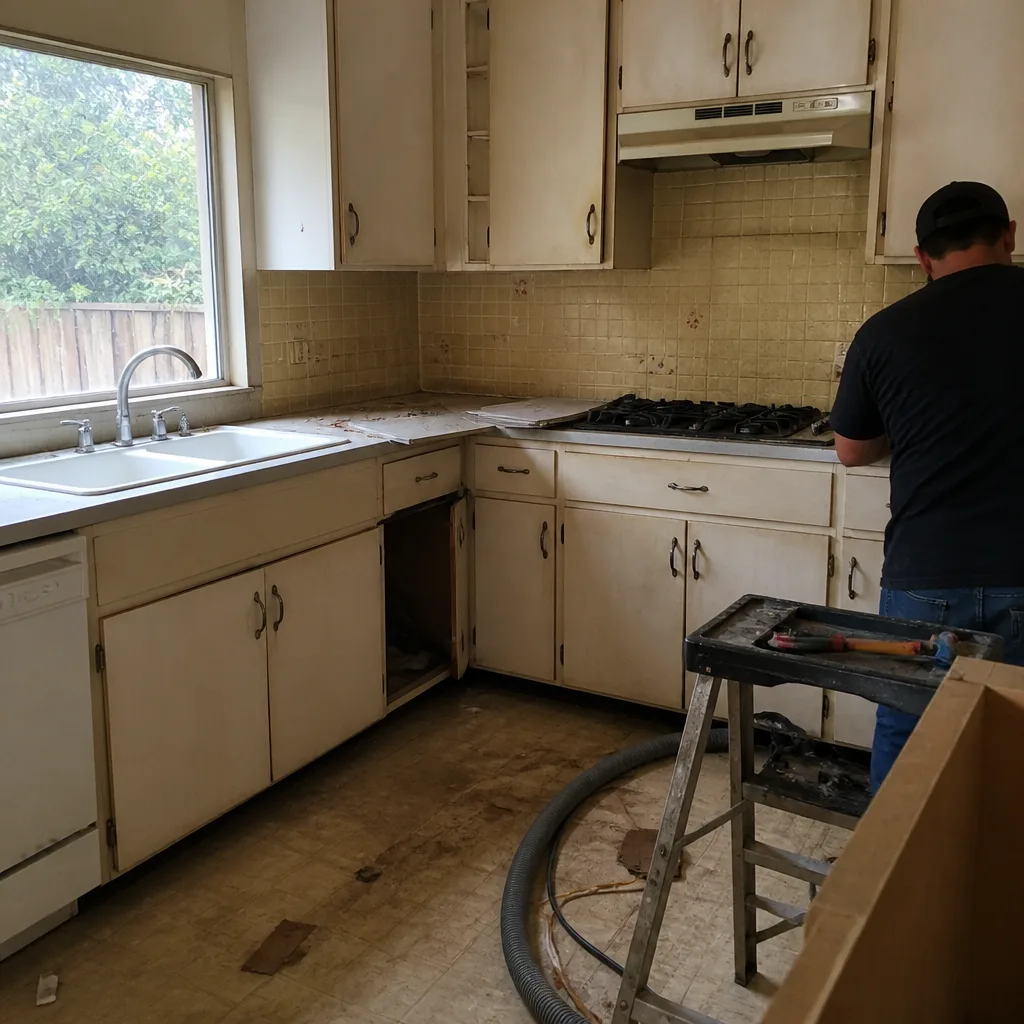 Before
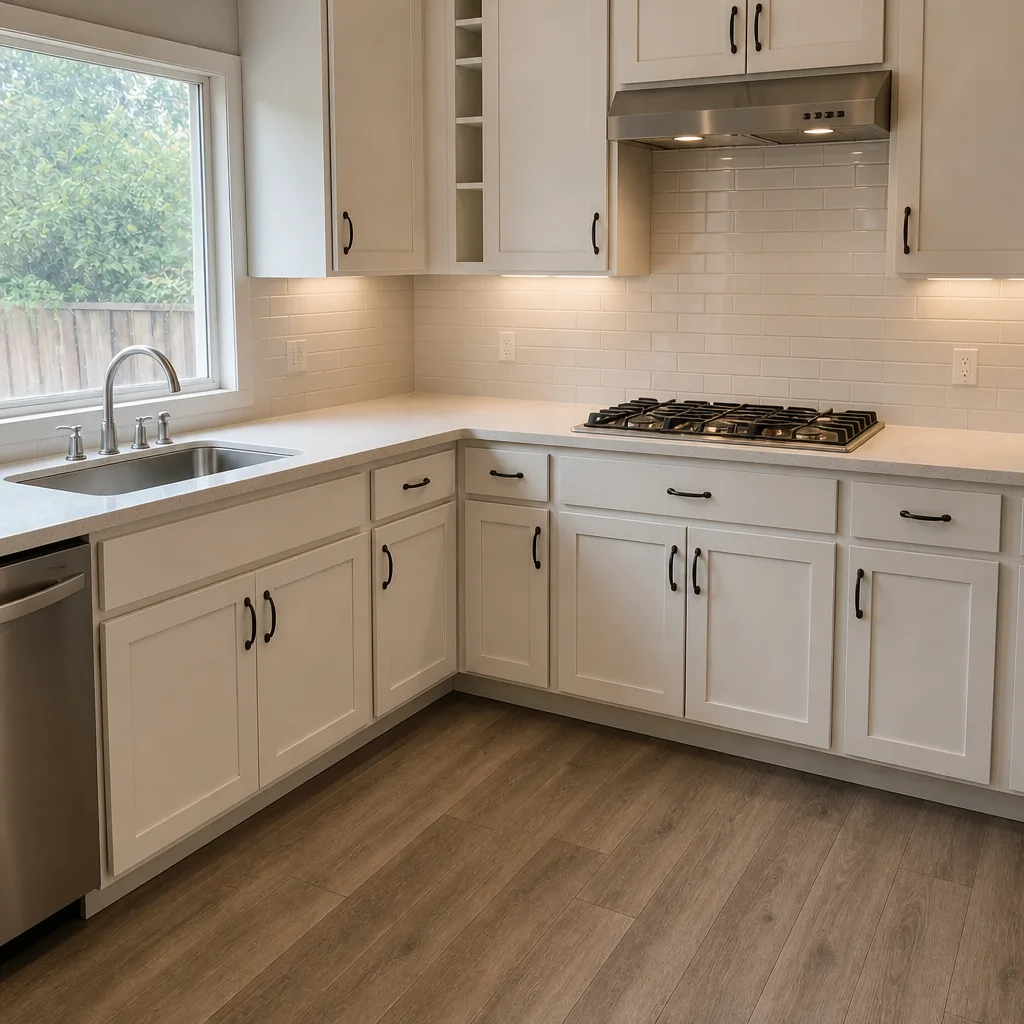 After
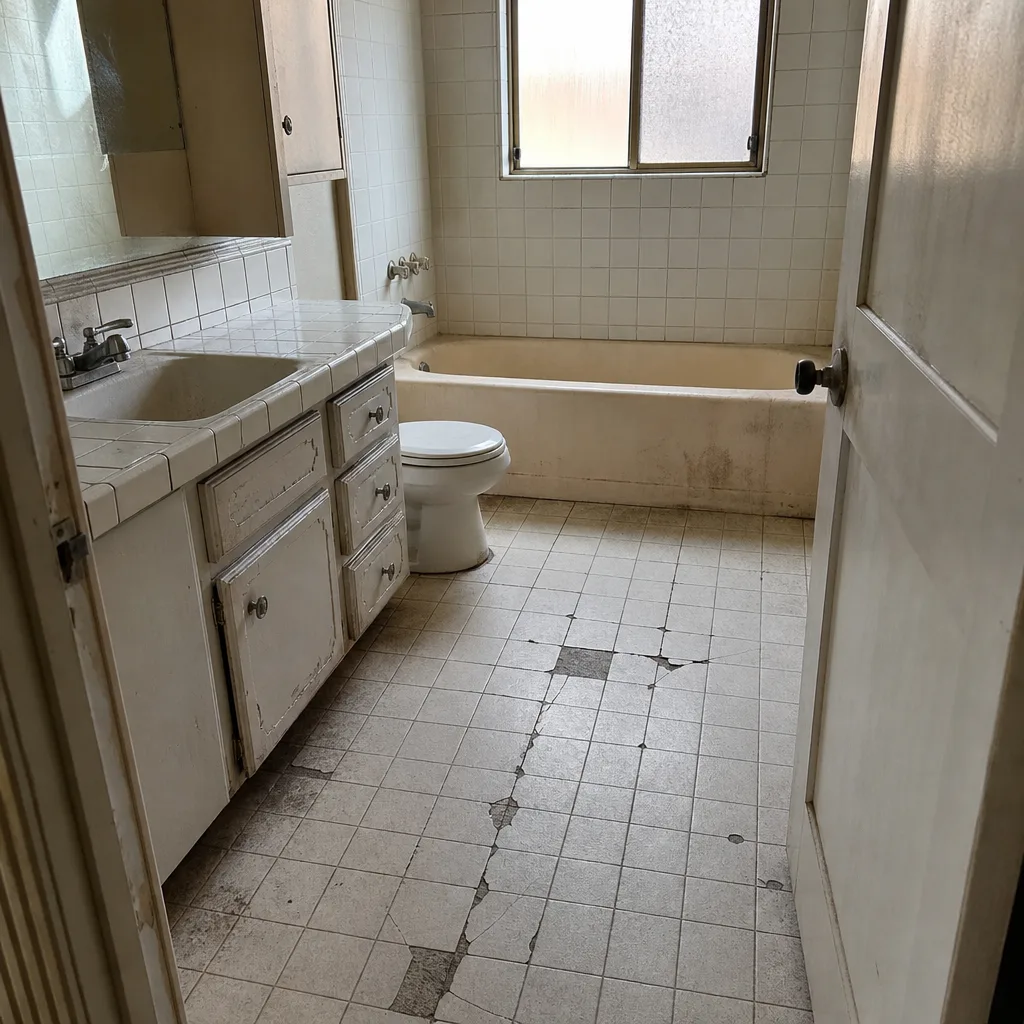 Before
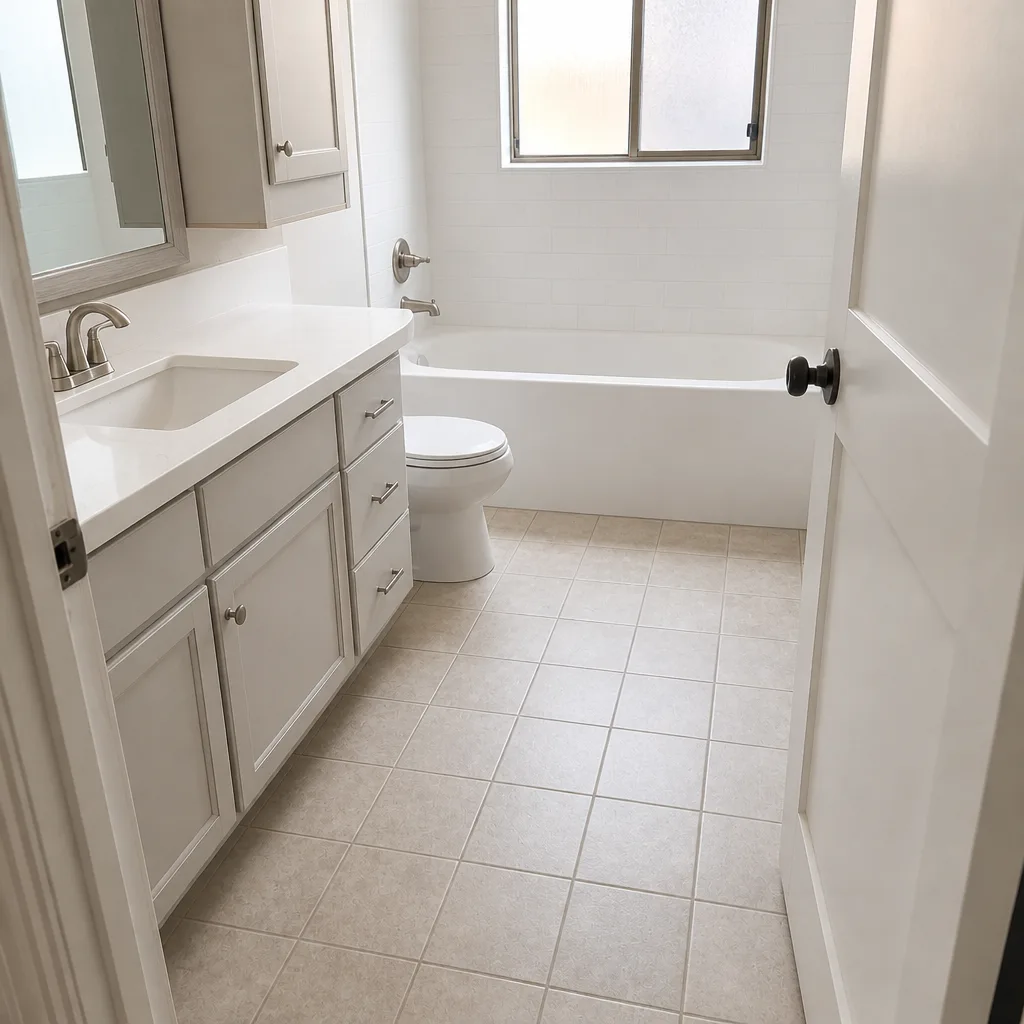 After
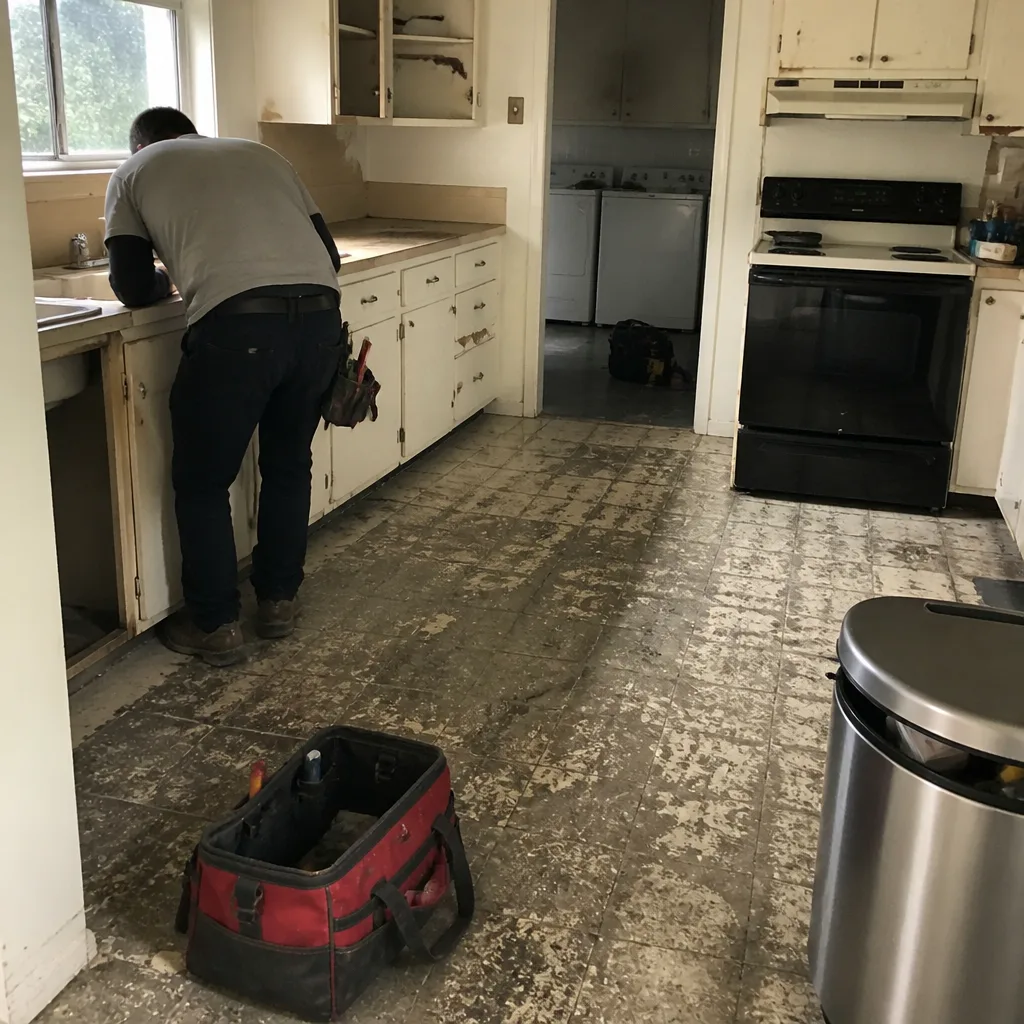 Before
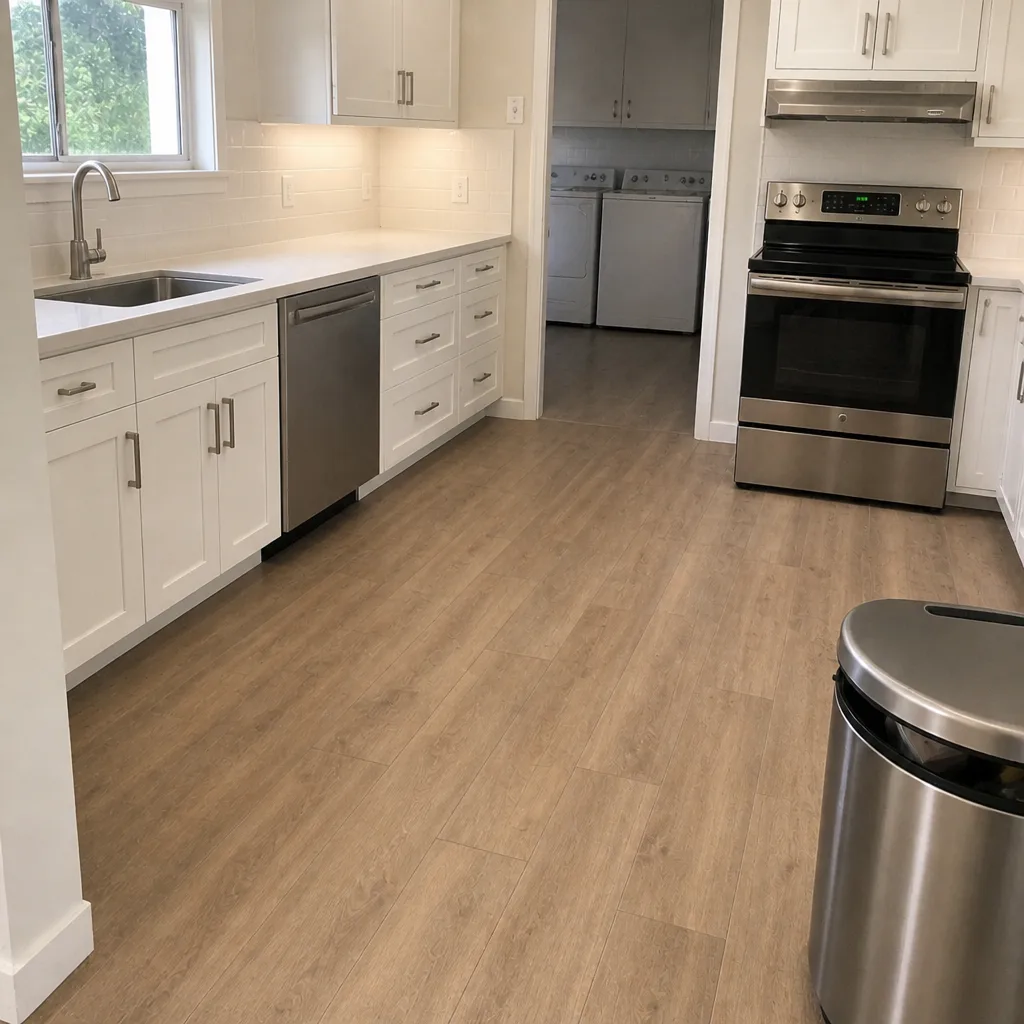 After
When to Call a Professional
Call a professional when the scope touches anything structural, anything inside the walls, anything involving gas or electrical panel work, or any site work that changes grade, adds a retaining wall, or touches a public right of way. Call when you’re planning an addition or an ADU and the plan review alone will require drawings and sequencing. Call when you’re selling within a few years and the permit history on your home is unclear. Call when a correction notice lands and you’re not sure whether it’s a small fix or a schedule reset.
Construction Concord offers free estimates in Concord and works the whole home – driveway and hardscape, fencing, additions and ADUs, bathrooms, windows and doors, roofing, and kitchens. Our technicians have up to 12 years of experience, and we front-load the permit path so the inspection sequence lines up with the build. Call (866) 611-9068 for a free estimate. We answer 24/7. Fast dispatch from 7am to 7pm, Sunday through Friday.
Frequently Asked Questions
Usually yes, especially if the replacement changes the rough opening, the egress path, or the material. Like-for-like window swaps still often need a permit because inspectors check egress and safety glazing. Call (866) 611-9068 to talk through your window or door scope – the estimate is free.
Permit fees are set by the City of Concord’s adopted fee schedule and scale with project scope and valuation, so small jobs carry low flat-level fees and larger structural work is priced higher. The exact number depends on your address and scope. Get a written fee estimate from the city’s permit counter, and ask your contractor to include the permit pull in their written estimate so the price is fixed. Call (866) 611-9068 to schedule a free estimate.
A bathroom or kitchen remodel typically runs a couple of months from application to final sign-off, a re-roof moves in weeks, and an addition or ADU runs several months or more because plan review and construction each take time. Complete submissions move faster than incomplete ones. Call (866) 611-9068 to map your project timeline.
The city can issue a stop-work order, require you to open the work for inspection, and assess corrections and re-inspection. The bigger risk shows up at sale – unpermitted work surfaces in the transfer disclosure and buyer’s inspection. It’s always cheaper to permit before construction. Call (866) 611-9068 for a free estimate on permitting the work the right way.
No – a written line-item estimate sets the price for the scope it describes, and any changes come from you, not from the contractor. That’s why we front-load plan review and inspection sequencing before the build begins. Call (866) 611-9068 and we’ll walk you through the estimate and the permit path together.
Yes. Pulling the permit, coordinating plan review, and scheduling the inspection sequence is part of how we run a job. For fence installation and full-scope remodel work, that means the paperwork is in motion before the crew is on site. Call (866) 611-9068 to start with a free estimate.
The Bottom Line
Concord permits are less about paperwork than about sequencing – the right plans, the right trade permits filed together, the right inspection before the wall closes up. The projects that stall are almost always the ones where a step got skipped because someone assumed it was optional. Flatwork, retaining walls, drainage changes, and re-roofs all fall into that category more often than homeowners expect. Get the permit history on your address before you plan a sale, and front-load the permit path before the crew shows up. One contractor seeing the whole home is the simplest way to keep the inspections in line with the build. Call (866) 611-9068 for a free estimate. We answer 24/7. Fast dispatch from 7am to 7pm, Sunday through Friday.
Written by the team at Construction Concord.