
Last updated November 18, 2026



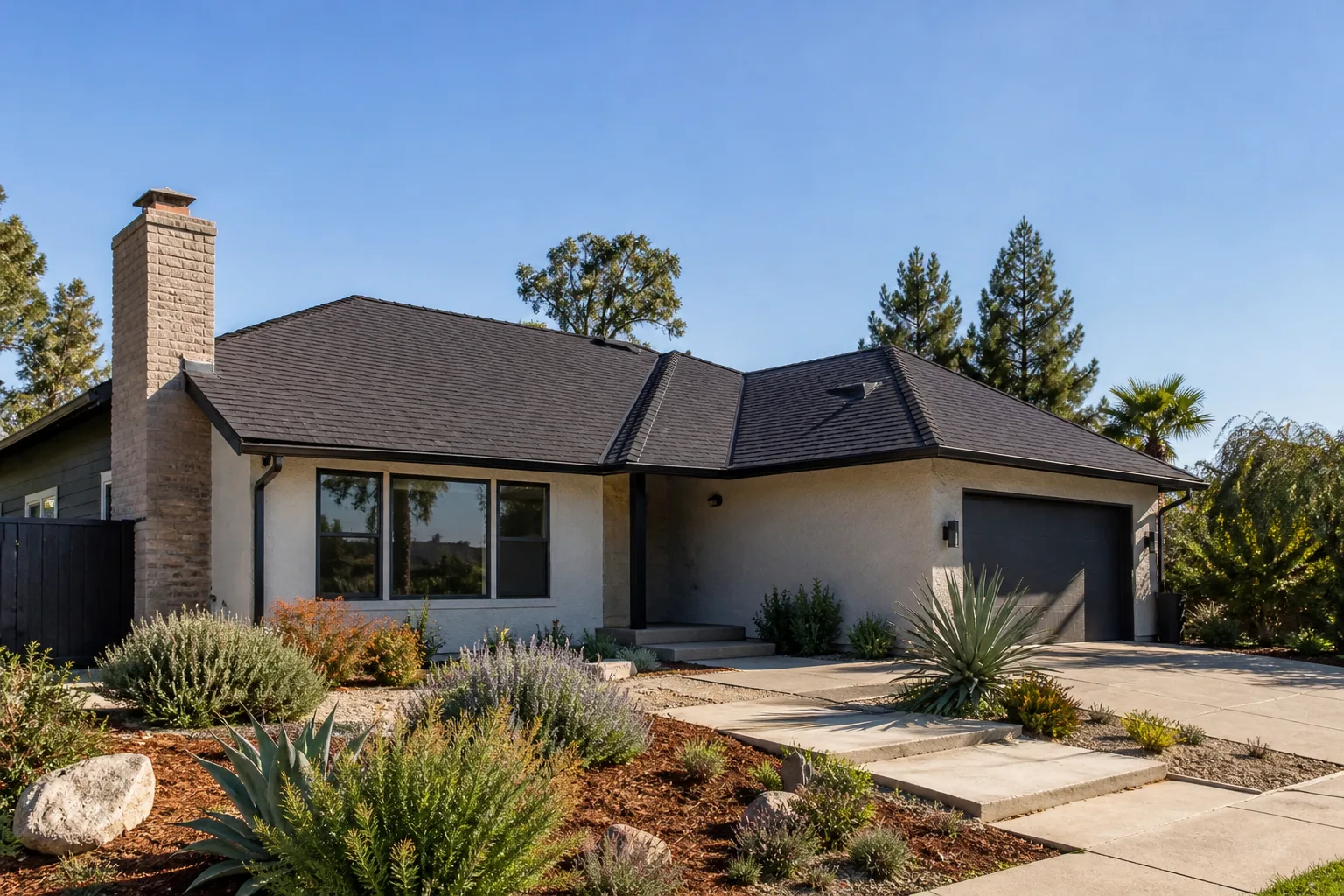

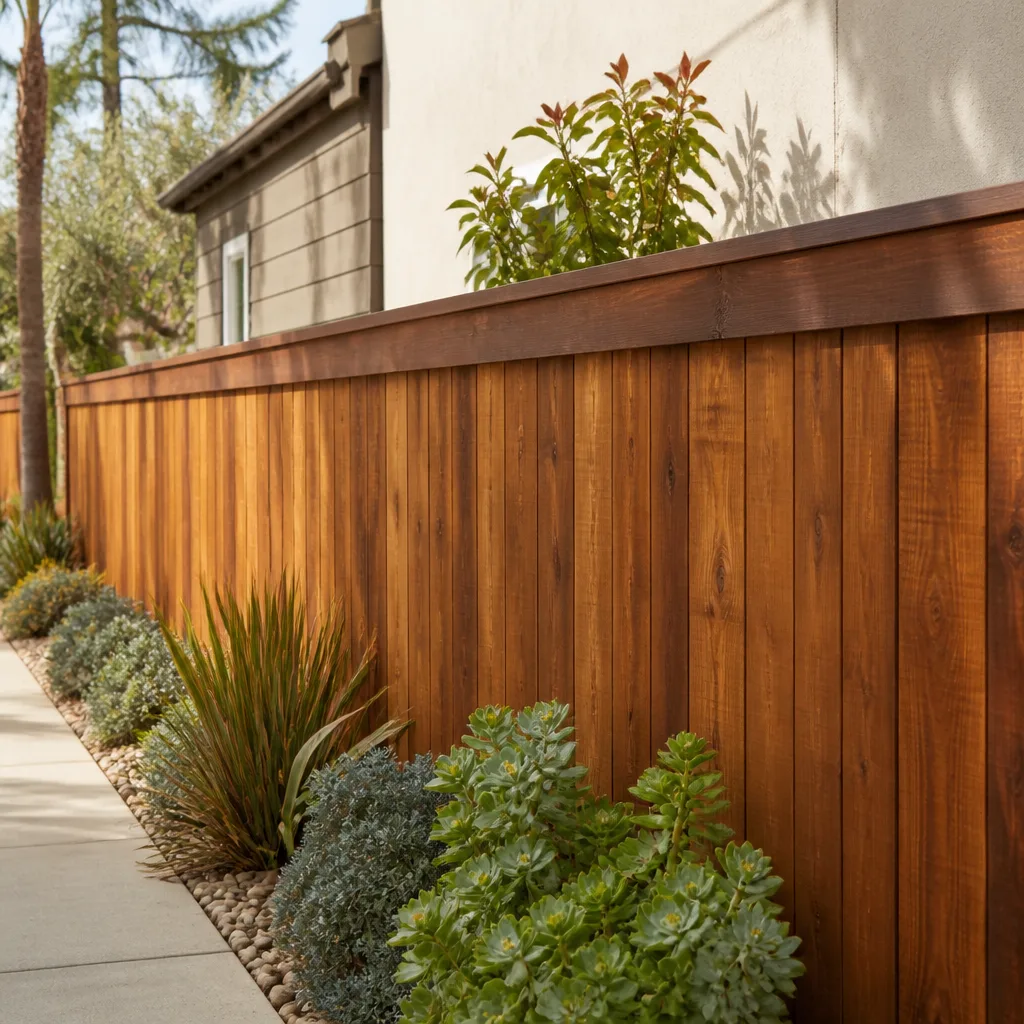


Free written scope consultation - allowances, timeline, and change-order rules on paper before a single trade is scheduled
Seasonal Construction Care for Concord: Year-Round Homeowner’s Guide
Most homeowners in Concord assume that because winters are mild, the house can mostly look after itself. The truth runs the other way. Concord averages only about 17 inches of rain a year, and nearly all of it lands in a compressed four-month window from late fall into early spring. That means every drainage flaw, every unsealed joint, and every surface that’s been baking under inland Contra Costa UV for months gets stress-tested all at once rather than gently spread across the calendar. In this guide we’ll walk through a month-by-month maintenance calendar timed to Concord’s actual weather, the October pre-rain inspection window, how summer UV quietly degrades exterior materials, and which tasks you can safely handle yourself versus the ones that need a licensed contractor for permit and liability reasons.
Quick Answer
Seasonal construction care in Concord works best when it’s timed to two real events: the dry, high-UV summer and the concentrated rainy season that starts in October and runs through March. Inspect and seal everything before the first storm, protect exterior surfaces from summer sun, and watch your drainage year-round, because a slow-draining corner in July becomes a saturated foundation problem in January. A calendar built around that cycle prevents most emergency repairs.
Styles & brands we work with
- Kitchen remodeling
- Bathroom remodeling
- Home additions & ADU
- Roofing
- Windows & doors
- Driveway & pavers
- Fence
Table of Contents
- The Month-by-Month Concord Maintenance Calendar
- The October Pre-Rain Window: What to Inspect Before the First Storm
- Summer UV in Inland Contra Costa: How the Sun Ages Your Home
- Reading Drainage Problems in Dry Weather
- What’s Genuine DIY and What Needs a Licensed Contractor
- Caring for Driveways, Pavers, and Fencing
- Roof and Window Care Between Seasons
- Why Interior Projects Belong in the Dry Months
The Month-by-Month Concord Maintenance Calendar
Generic national maintenance templates don’t fit Concord. They’re built around hard freezes and heavy snow, none of which you deal with here, while they ignore the two things that actually stress homes in this city: relentless summer sun and a short, intense wet season. The calendar below tracks Concord’s real weather patterns rather than a national average.
Here’s how the year breaks down for a typical Concord home:
- January through March: Wet-season watch. Clear gutters after heavy storms, watch for ponding in the yard and along the foundation, and note any interior ceiling stains while the rain is actively testing your roof.
- April and May: Transition and inspection. Once the rain stops, walk the exterior and check for winter damage, then schedule any repairs you discovered while it was wet.
- June through September: Dry-season protection and the best window for major exterior work, from driveway replacement to driveway & pavers installs, since dry weather helps sealants, concrete, and finishes cure properly.
- October: Pre-rain inspection, the single most important month in this climate.
- November and December: Sealing, caulking, and finishing touches before the heaviest rain, plus gutter and drainage checks after the first storms arrive.
Treat this as a framework, not a rigid schedule. A Concord home with mature trees needs more frequent gutter attention. A newer build with engineered materials may only need the October and April inspections. The point is to time your effort to the climate instead of reacting after something fails.
The October Pre-Rain Window: What to Inspect Before the First Storm
October is the most valuable month for a homeowner in Concord. The rain hasn’t started yet, the summer heat has broken, and there’s a clear window to find and fix problems before they’re put under stress. Every flaw you address now is a problem you won’t be dealing with in the middle of a January downpour. This is when a small, cheap fix prevents a large one.
Run through this list before the season’s first storm:
- Clear gutters and downspouts of leaves and debris, and confirm water flows away from the foundation rather than pooling at a corner.
- Inspect roof shingles and flashing, especially around chimneys and any roof penetrations, for lifted edges or worn sealant.
- Check caulking around windows, doors, and exterior penetrations, and re-seal any joints that have cracked from summer sun.
- Walk the property after the ground is slightly damp and look for low spots where water will collect.
- Look at fence posts and gates for wobble that will only get worse when the soil softens with rain.
- Test your drainage: pour water at the base of slopes and see whether it runs off or sits.
If you find issues you can’t resolve with a tube of sealant or a broom, the October window is also the right time to book a contractor. A roof inspection and repair done before the rain is a maintenance job. The same issue discovered in a wet month can turn into interior damage and a much bigger repair.
Summer UV in Inland Contra Costa: How the Sun Ages Your Home
Summers in Concord are dry and the sun is intense. Unlike a coastal town where marine air softens the rays, inland Contra Costa heat bakes exterior surfaces month after month. The damage shows up slowly and quietly, which is why it catches homeowners off guard.
Here’s what summer sun does to the materials on your home:
- Concrete and pavers: UV fades color and breaks down the surface sealant that protects against staining and moisture. Sealed surfaces hold up noticeably longer than unsealed ones, so re-sealing on a regular cycle matters. If you’re installing new hardscape, working with quality paver lines like Techo-Bloc or Cambridge Pavers gives you a surface built to handle that sun exposure.
- Paint and caulking: These take the most abuse. Caulking that’s baked dry cracks, then lets in water once the rain returns.
- Wood and fencing: Wood fencing dries out, checks, and can loosen at the fasteners. A restoration or fresh stain in late summer or early fall helps it through the wet months.
- Roofing: Asphalt shingles lose their granules over time as UV exposure continues, which shortens their life.
The practical takeaway: treat late summer and early fall as your protect-and-seal season. Re-sealing hardscape and touching up exterior finishes before the rain arrives means the wet season tests a protected surface rather than a sun-damaged one.
Reading Drainage Problems in Dry Weather
Drainage is the highest-risk item in Concord’s climate, and the best time to catch it is when everything is dry. In January, when water is already pooling against the foundation, the situation is urgent. In July or August, the exact same flaw is just an observation and a fix. Learning to read drainage in the dry season is what keeps a slow problem from becoming an emergency.
Look for these signs during the dry months:
- Staining on walls and hardscape: Water marks, efflorescence (a white powdery residue), or dirt rings on pavers show where water has been sitting. Follow the stain uphill to find the source.
- Foundation staining and soil: Look for discoloration at the base of the house and any soft or low spots in the soil near it, which is where water will collect once it rains.
- Gutter runoff direction: Watch where downspouts discharge. If they dump water right next to the house, you’ll get foundation saturation in January.
- Erosion patterns: Bare soil channels or ruts show the path water takes. Those paths will widen once the rain returns.
- Gate and fence post movement: Softened soil in a low spot makes posts wobbly, which is an early sign of a drainage issue.
The fix for many drainage issues is grading, gutter extensions, or a hardscape surface that directs water away from the foundation. If you’re planning hardscape work, driveway & pavers installed with proper slope and drainage solve the problem at the source. If your grading is already wrong, the best time to correct it is in the dry season when the ground and the season cooperate.
What’s Genuine DIY and What Needs a Licensed Contractor
Some seasonal care is well within reach for a careful homeowner. Some of it isn’t, and the line isn’t just about difficulty. It’s about permits, liability, structural knowledge, and in the case of certain jobs, genuine safety risk. Getting this line right protects you legally and physically, not just financially.
Reasonable to do yourself:
- Clearing gutters and downspouts from a stable ladder, if you’re comfortable at height.
- Re-caulking windows and doors.
- Washing down exterior surfaces and inspecting for damage.
- Re-sealing a paver surface with a homeowner-grade sealer, following the product instructions.
- Removing leaves, cleaning drains, and general seasonal cleanup.
Better left to a professional:
- Any roof work. Roofs are steep, high, and dangerous. A fall risk plus structural repair plus flashing detail means this is a trained technician’s job, not a homeowner’s weekend project.
- Structural changes and additions. These require permits, inspections, and licensed work. Anything that touches the structure of the house falls here.
- Electrical, gas, and plumbing. These carry real safety risk and permit requirements.
- Drainage and grading that moves water near the foundation. Getting the slope wrong makes the problem worse.
- Window and door replacement. Modern units need proper flashing and sealing to perform, and cutting into a wall to fit them is a contractor’s job.
If your seasonal inspection turns up a structural issue, an outdated roofline, or a plan to expand, that’s high-value work best handled by a full-scope contractor. A home additions & ADU project, for example, brings permits, inspection, and coordination that no homeowner should attempt alone. A fence installation that includes posts set in soil and property-line details is also worth getting right from the start, since a poorly set post that wobbles in the first winter won’t improve.
Caring for Driveways, Pavers, and Fencing
Hardscape and fencing take the most direct beating from Concord’s two-season cycle. Summer sun dries and fades them; winter rain stresses every joint and footing. A little routine care in the right season keeps both in service far longer than waiting for failure.
Pavers and hardscape:
- Re-seal on a regular cycle, ideally in late summer or early fall, to lock in color and protect the surface before the rain.
- Sweep and remove weeds from joints, then refresh joint sand as it washes or blows out.
- Check for settled or lifted pavers after major storms and address settlement early, before the whole field is affected.
If you’re replacing a worn surface, investing in a professionally installed paver system from a quality line like Techo-Bloc or Cambridge Pavers, set on a proper base, is what gives you a surface built to the manufacturer’s standard and installed to a contractor’s. That’s a different product from a plain concrete pour, and it performs differently over a decade of summers and rainy seasons.
Fencing:
- Inspect posts for wobble each fall, before the soil softens with rain.
- Check gates for sagging and hardware for rust, and adjust latches before winter.
- For wood, restore or stain before the wet season; for vinyl and aluminum, a wash-down is usually enough.
The best time to install new fencing in Concord is the dry season, when posts set and finish, and the fence is ready for its first rainy season. If your fence is near the end of its life, budget the replacement rather than repeatedly patching it.
Roof and Window Care Between Seasons
Your roof and windows are the two systems that get tested hardest by Concord’s wet season, and they’re also the ones most homeowners ignore until something leaks. Between-seasons care is mostly inspection and catching small issues before they grow.
For the roof, the right moments are late spring (after the rain) and early fall (before it). Have a qualified technician inspect for worn shingles, damaged flashing, and sealant failure around penetrations. Roofing systems from established manufacturers like GAF or CertainTeed give you a product built to hold up over time, but no roof lasts forever without inspection. Never walk a steep roof yourself; the fall risk is real and it isn’t worth it.
For windows and doors, the work is about seals and hardware. Check caulking and weatherstripping each fall, and re-seal any joints that have cracked from summer sun. If your windows are old, drafty, or failing, the dry months are the right time to plan a replacement. A window and door upgrade done in the summer means the house is sealed and ready when the rain arrives. These are the kind of coordinated exterior improvements that live in the same scope as a full exterior refresh, alongside roofing and hardscape.
Why Interior Projects Belong in the Dry Months
Interior work isn’t weather-driven the way exterior work is, but there’s a practical case for scheduling kitchens and bathrooms in Concord’s dry months. When the exterior is stable and the wet season isn’t testing your roof and drainage, your attention and your contractor’s schedule can focus on the inside without juggling weather threats.
Late spring through early fall is the natural window for a bathroom remodeling or a kitchen project. Materials cure, drywall dries without weather delays, and you’re not dealing with rain coming in through a roof under repair at the same time. For homeowners planning a phased, multi-area renovation, doing the interior work in the dry season and the exterior inspection and repair in the shoulder seasons gives you a coherent annual plan rather than a scramble.
This is where working with a single-source contractor pays off. When exterior and interior work are coordinated, the timing of one doesn’t conflict with the other. You can stage a kitchen remodel in the dry months while the roof and drainage are inspected and handled in the shoulder seasons, with one point of accountability seeing the whole picture. That coordination is what “from the driveway to the kitchen” actually looks like on a calendar.
Common Mistakes to Avoid
- Treating Concord winters like they’re mild enough to skip inspection. The rain is concentrated, so a flaw you ignore in October gets tested hard all winter. Inspect before the first storm, not after the first leak.
- Leaving drainage unaddressed until January. Pooling water at the foundation is far easier and cheaper to fix in dry weather. Find the low spots in summer and correct them.
- Ignoring summer UV damage on hardscape and sealants. Sun-baked caulking and unsealed pavers fail faster. Re-seal in late summer so surfaces go into winter protected.
- Walking the roof yourself. Steep roofs are a genuine fall risk. Leaves and shingle checks are fine from the ground or a stable ladder; repairs need a trained technician.
- Doing structural or permitted work without a contractor. Additions, window replacement, and grading near the foundation need licensed work and inspection. Skipping this creates liability and can cost you more in the long run.
- Patching a failing fence indefinitely. A post that wobbles in the fall gets worse in soft winter soil. Plan replacement in the dry season instead of chasing patches.
- Using a national maintenance template. Generic checklists focus on freezes and snow and miss Concord’s real cycle of UV-heavy summers and a short, intense rainy season.
See the difference
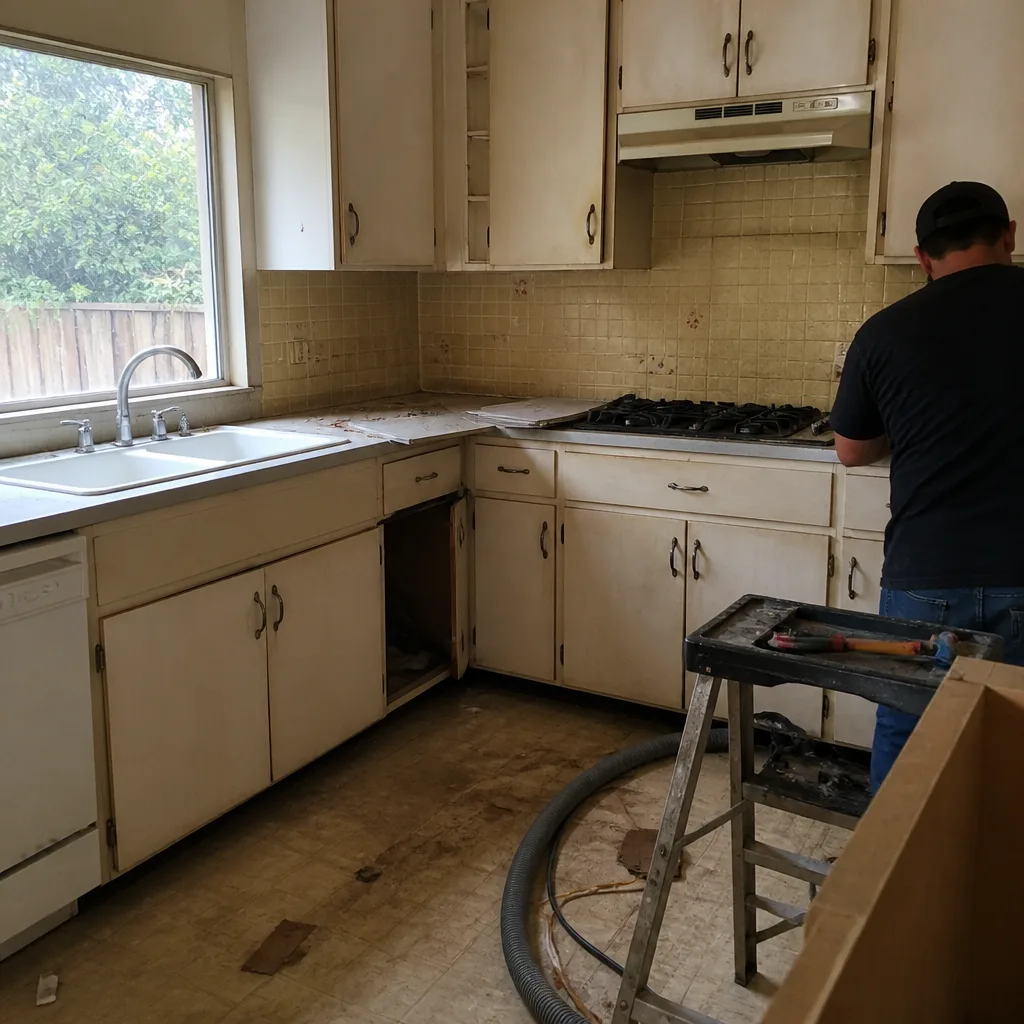 Before
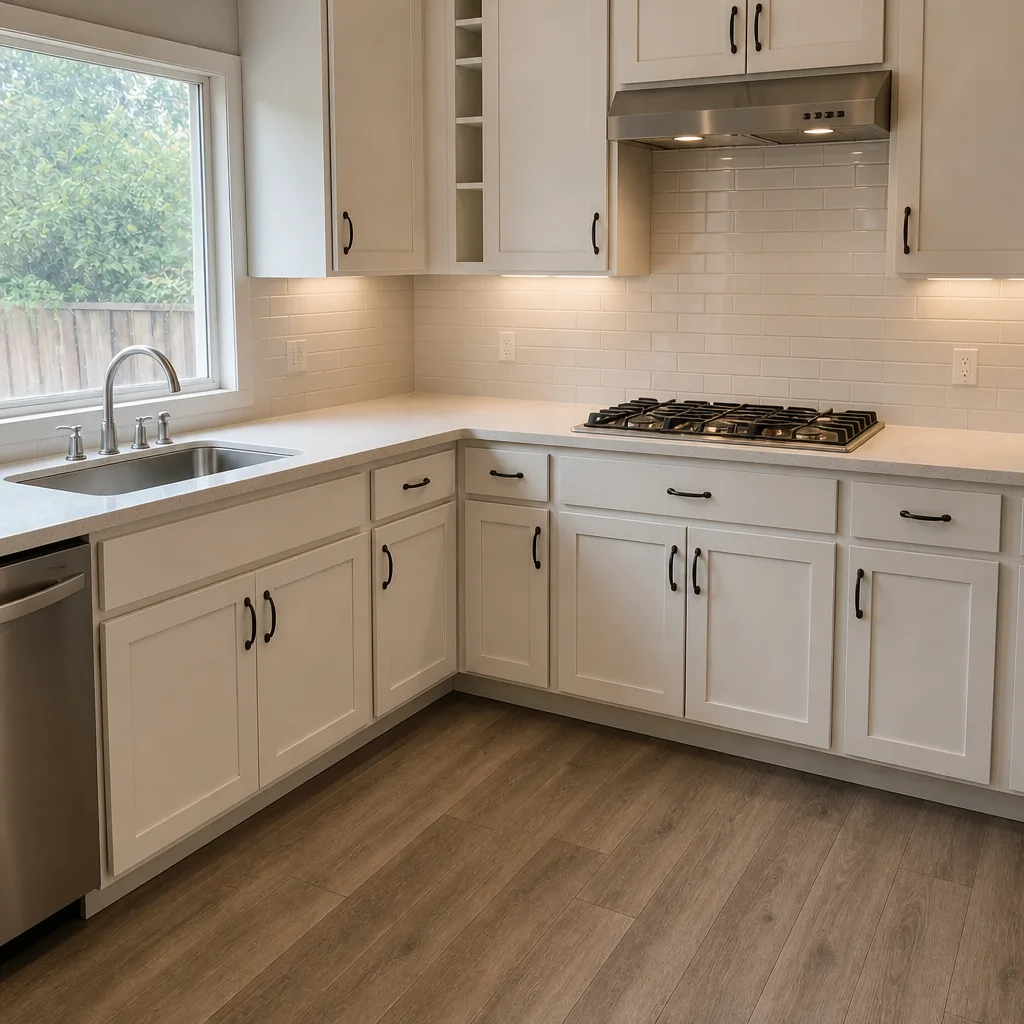 After
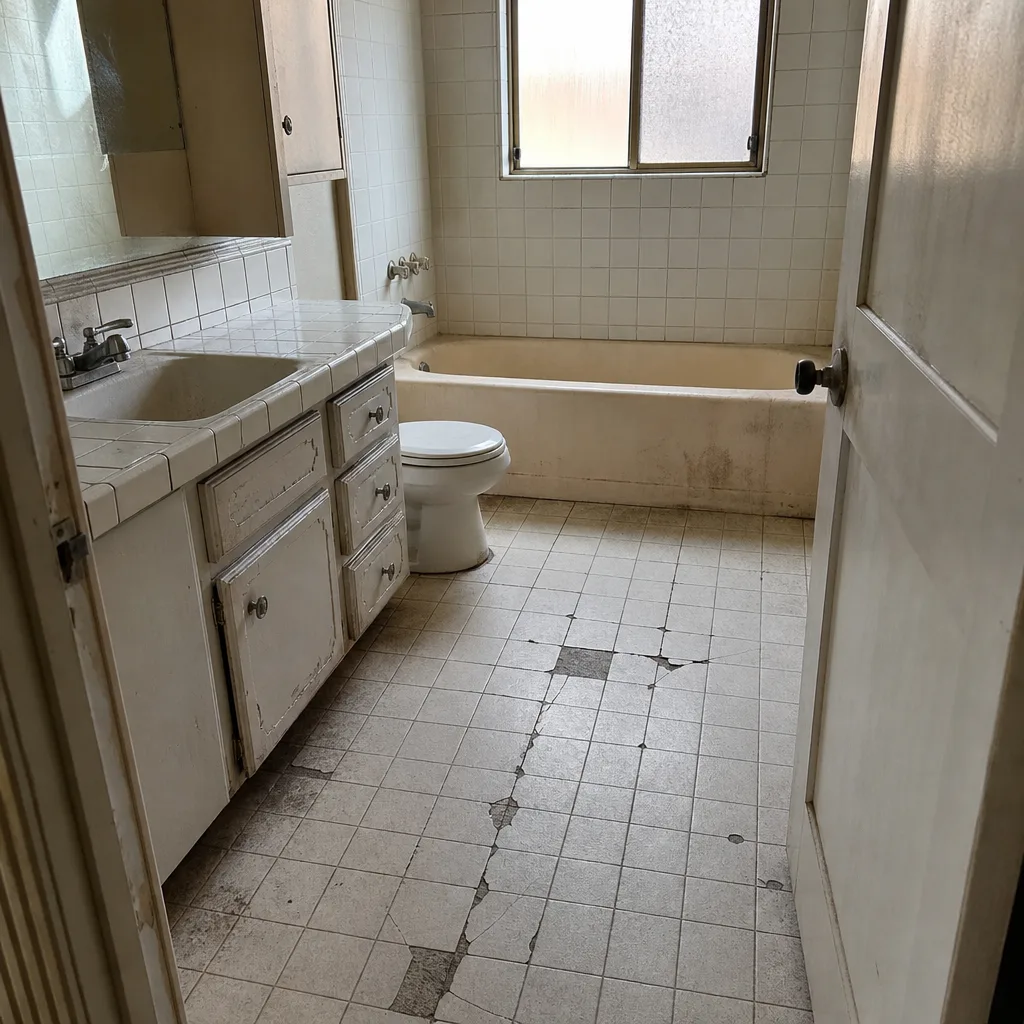 Before
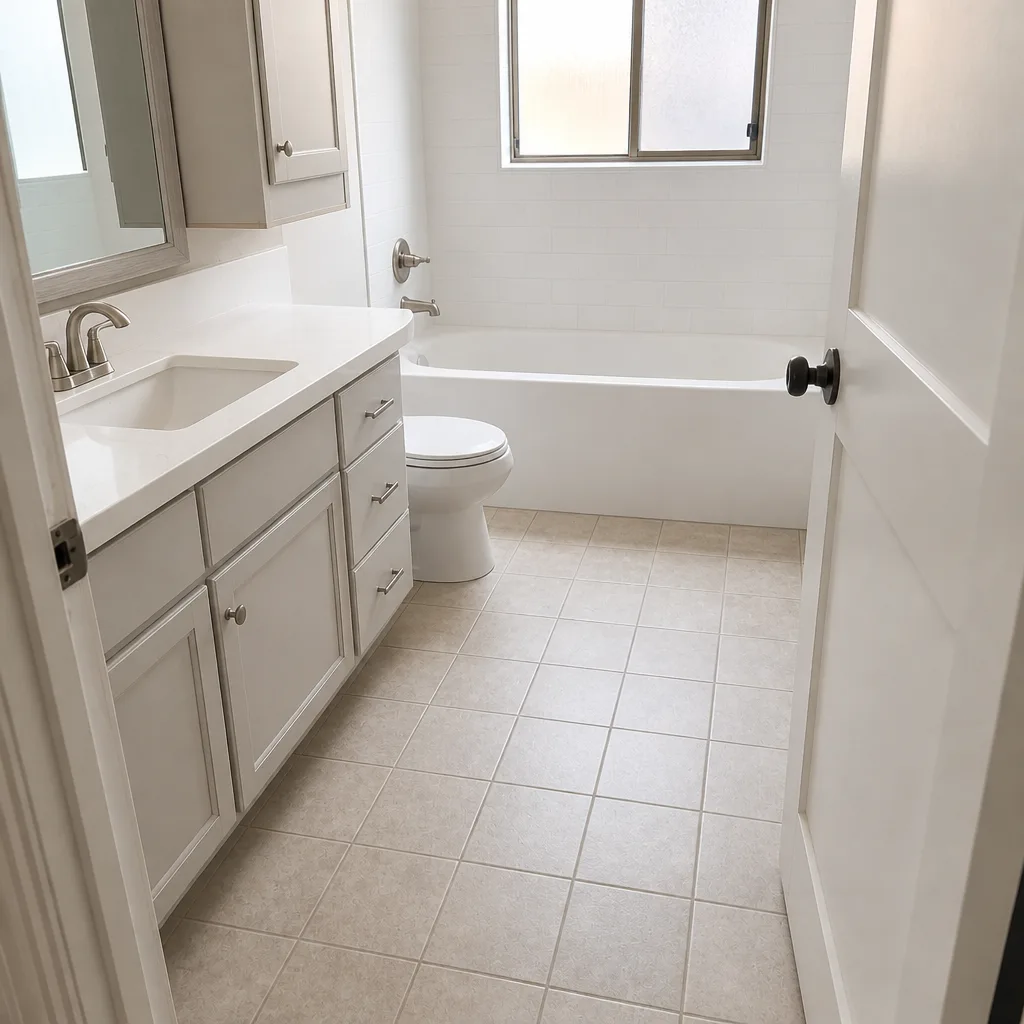 After
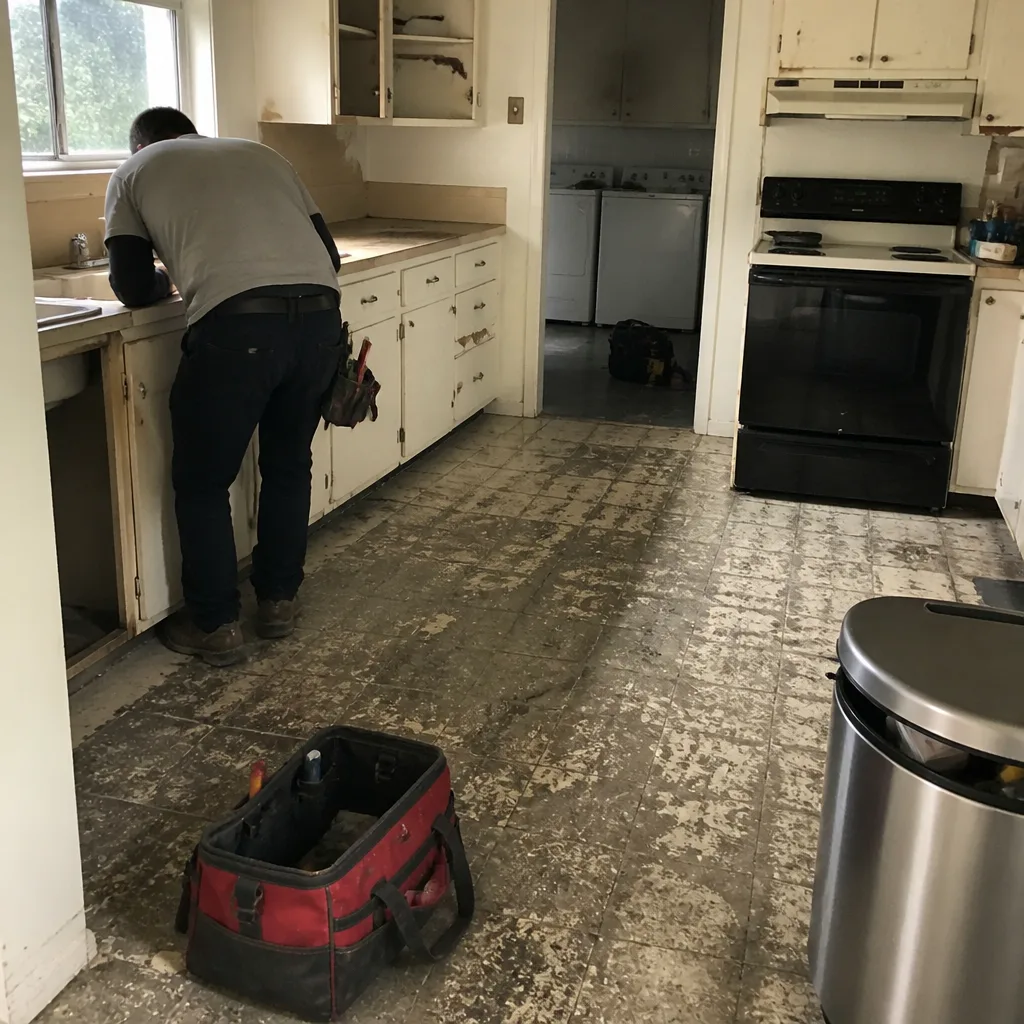 Before
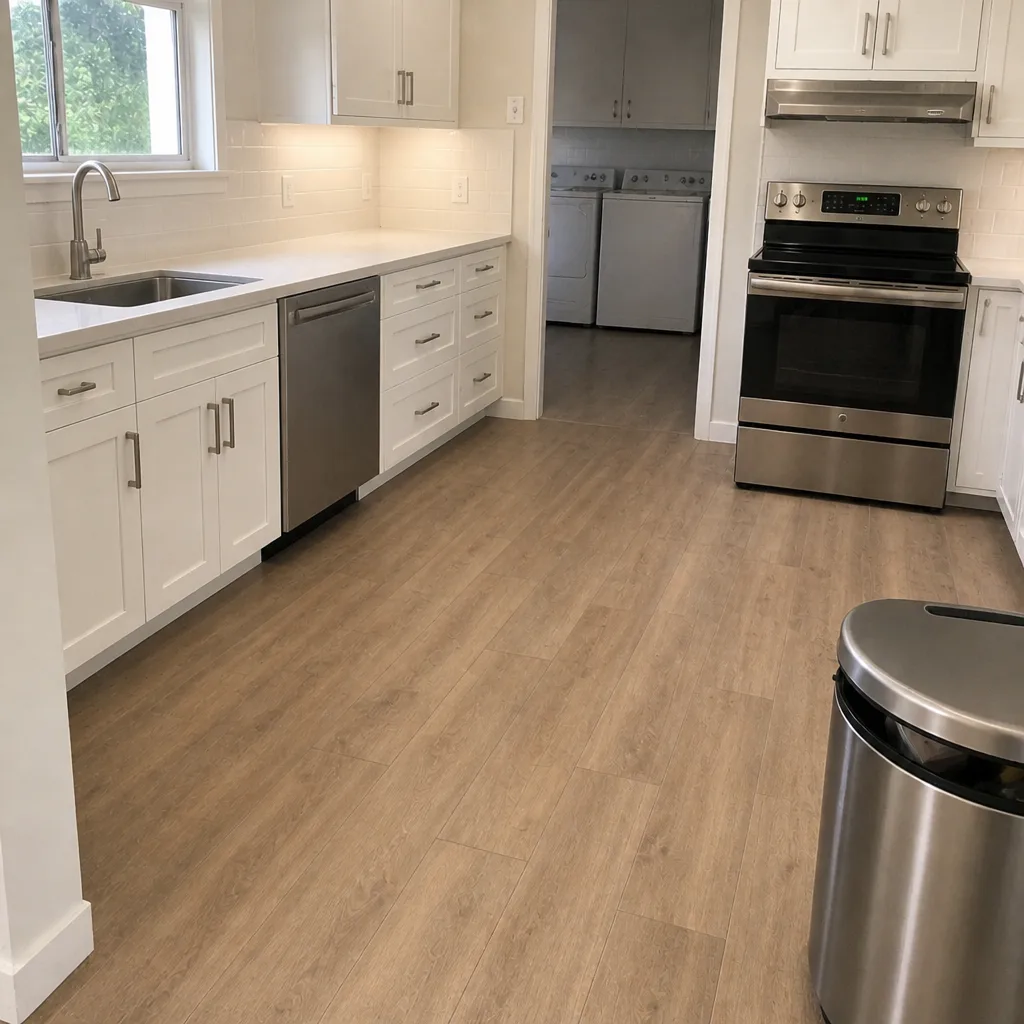 After
When to Call a Professional
Call a professional when a task involves the roof, the structure of the house, permitted work, or any electrical, gas, or plumbing system. Also call when a drainage or grading fix needs to move water near the foundation, when window or door replacement means cutting into a wall, or when your autumn inspection turns up a problem you can’t resolve with sealant and a broom. These are the jobs where a trained technician and the right permits protect you, and where “I’ll get to it” tends to become an emergency in the wet months. Construction Concord offers free estimates in Concord: call (866) 611-9068. Our technicians have up to 12 years of experience, and a written, line-item estimate sets the final price. We answer 24/7. Fast dispatch from 7am to 7pm, Sunday through Friday.
Frequently Asked Questions

October is the key month. The summer heat has broken, the rain hasn’t started, and you have a clear window to clear gutters, check the roof and flashing, re-seal caulking, and find drainage problems before the first storm. Inspecting in October means the wet season tests a maintained home rather than finding its weak points. Call (866) 611-9068 for a free estimate on any repair your inspection turns up.
Look for water staining on walls and pavers, a white powdery residue (efflorescence), discolored or low soil near the foundation, downspouts that discharge right next to the house, and bare soil channels showing where water runs. These all point to a flaw that will collect water once the rain returns. Getting the grade and drainage corrected in the dry season is far easier than fixing water damage in January. Call (866) 611-9068 to schedule a free estimate.
Yes. Concord’s inland sun is intense, and UV exposure fades color and breaks down surface sealant over time, which leaves pavers and concrete more vulnerable to staining and moisture. Re-sealing in late summer or early fall protects the surface before the wet season. If your hardscape is worn out, a professionally installed paver system from a quality manufacturer holds up better than a plain pour. Call (866) 611-9068 for a free estimate on replacement or re-sealing.
Leave roof work, structural changes, permitted projects, and any electrical, gas, or plumbing task to a professional. Steep roofs especially are a fall risk, and structural or permitted work needs licensed hands and inspection. Homeowners can safely handle gutter clearing from a stable ladder, caulking, washing down surfaces, and general cleanup. For anything on the “call a pro” list, call (866) 611-9068 for a free estimate.
The dry months, roughly late spring through early fall. Dry weather helps concrete, sealants, and fence posts set and finish properly, and it means your new fence or driveway is ready for its first rainy season. Installing in the wet months invites delays and surface problems. Call (866) 611-9068 for a free estimate and to plan the timing.
No. We give you a written, line-item estimate, and the written estimate sets the final price. There are no surprise change orders on the work described in the quote. If you discover additional issues during the job, we discuss them with you before any extra work begins. Call (866) 611-9068 for your free estimate.
The Bottom Line
Concord’s climate looks mild but runs a real annual cycle: dry, UV-heavy summers followed by a short, intense rainy season that stress-tests every surface and joint. A maintenance calendar built around that cycle is what keeps you ahead of emergency repairs. Inspect and seal in October before the first storm, protect exterior surfaces from summer sun, and read your drainage in the dry months. Do the simple tasks yourself, bring in a licensed contractor for the roof, structure, permits, and systems, and time major exterior projects to the dry season. Done that way, your home in Concord goes into every rainy season protected rather than vulnerable.
Call (866) 611-9068 for a free estimate. We answer 24/7. Fast dispatch from 7am to 7pm, Sunday through Friday.
Written by the team at Construction Concord.