Last updated November 18, 2026
Free written scope consultation - allowances, timeline, and change-order rules on paper before a single trade is scheduled
Construction Cost Breakdown: The Concord Homeowner’s Reference for 2026
Most homeowners start their research by searching for a national average. That number is a starting point, not an answer, and in Concord it can be off by thousands in either direction. The reason isn’t that local contractors are overcharging. It’s that national cost data sets don’t account for Contra Costa labor rates, California’s material pricing shifts, or the fees our city charges before a shovel ever hits the ground. This guide gives you real 2026 ranges for Concord projects, shows you how to read a quote so nothing surprises you later, and explains where budgets quietly go wrong.
Quick Answer
Construction costs in Concord in 2026 typically run 20% to 40% higher than national averages for the same scope, driven by Contra Costa labor rates, regional material pricing, and municipal permit and inspection fees. A driveway replacement might land between $12,000 and $22,000 depending on size, base prep, and paver selection, while a mid-range kitchen remodel generally falls between $45,000 and $95,000. The written, line-item estimate is the only number that matters for your specific project.
Styles & brands we work with
- Kitchen remodeling
- Bathroom remodeling
- Home additions & ADU
- Roofing
- Windows & doors
- Driveway & pavers
- Fence
Table of Contents
- Why National Cost Guides Miss the Mark in Concord
- 2026 Project Cost Ranges for Concord Homes
- How to Read a Contractor Quote Line by Line
- What Concord Permits and Inspections Add to Your Budget
- Where Homeowners Consistently Underbudget
- What Material Brand Tiers Actually Buy You
- The Cost of Coordinating Multiple Trades
- How to Sequence a Phased Renovation
Why National Cost Guides Miss the Mark in Concord
A national cost database is built from averages across every state and market type. Concord is neither average nor a typical California suburb. Three local factors push real numbers away from what those guides report.
Contra Costa labor rates. Skilled trades in this county command wages that reflect the regional cost of living and the demand created by ongoing residential construction across the East Bay. Labor typically represents 40% to 60% of a residential project’s total cost, so a labor rate that runs higher than the national median compounds across every phase of the job.
California material pricing. Tile, lumber, cabinetry, windows, and roofing materials all carry state-specific cost structures. Tariff adjustments on imported building products have moved pricing on everything from cabinet hardware to window assemblies. A national guide published even eight months ago may not reflect current landed costs in California.
Municipal fees. Concord’s permit and inspection fees are not trivial line items. They’re calculated based on project valuation, and they arrive before construction begins. A national average rarely includes permit costs at all, let alone the specific fee schedule of a Bay Area city.
Stack those three factors and you understand why a homeowner comparing a $6,000 national driveway average to a $14,000 Concord quote might assume something is wrong. Nothing is wrong. The scope, the labor market, the material costs, and the fee structure are simply different. Construction Concord works in this market every week, and our estimates reflect what things actually cost here rather than what a national survey says they should.
2026 Project Cost Ranges for Concord Homes
These ranges are typical estimates for Concord in 2026, based on standard scope and mid-grade materials unless otherwise noted. Every project is different, and the written estimate sets the final price. Use these numbers to sanity-check quotes and plan your budget, not as a substitute for a site-specific proposal.
Driveway and hardscape
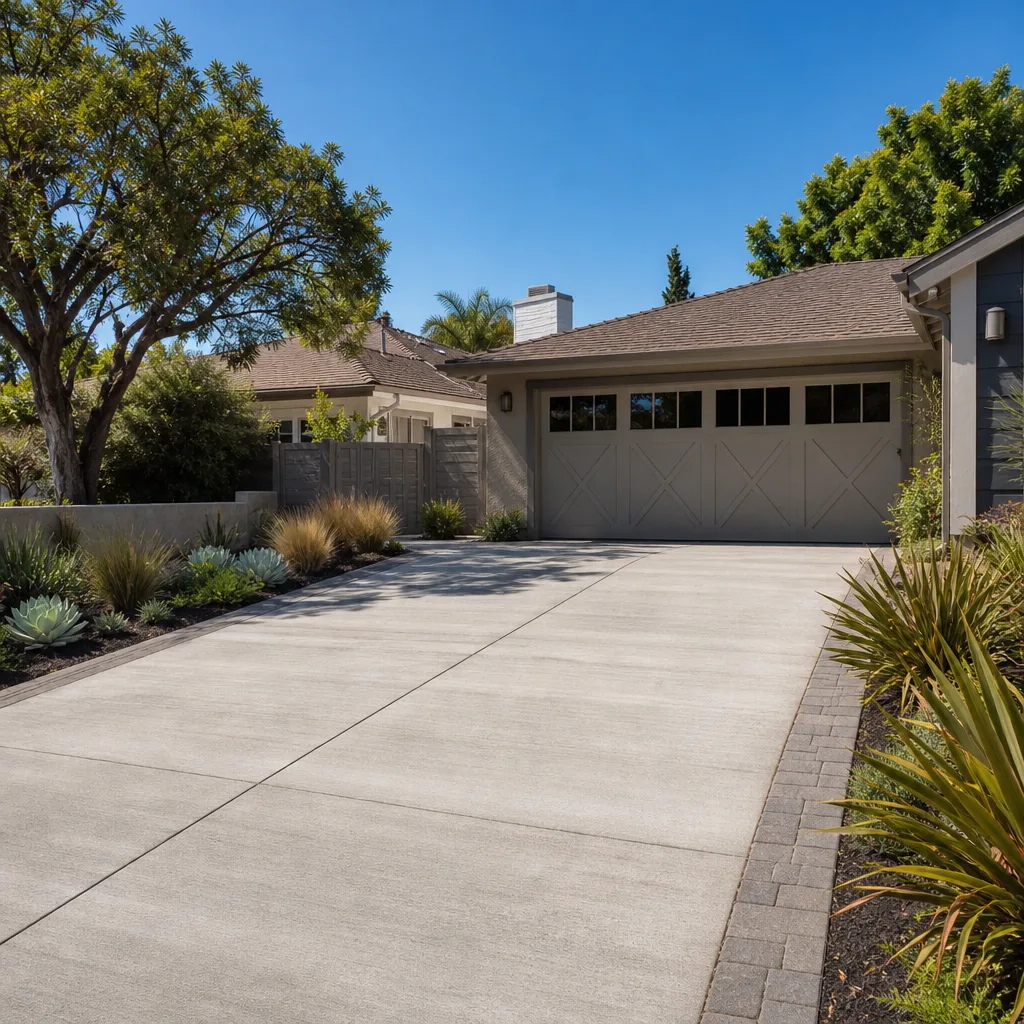
- Concrete driveway replacement: $12,000 – $22,000 for a standard two-car driveway with proper base removal and disposal.
- Paver driveway: $18,000 – $35,000 depending on square footage and paver line. Brand selection matters here; Belgard, Unilock, Techo-Bloc, Tremron, and Cambridge Pavers each offer different price tiers and performance characteristics.
- Patio or walkway hardscape: $8,000 – $20,000 for a typical backyard patio with base prep, edge restraint, and polymeric joint sand.
- Drainage correction: $2,500 – $7,500 for regrading, French drain installation, or dry well work.
Fencing
- Wood privacy fence: $4,500 – $9,000 for 100 linear feet with posts, rails, and pickets.
- Vinyl or composite: $6,000 – $12,000 for the same length, depending on product line.
- Aluminum or ornamental steel: $7,000 – $15,000, with manufacturer choice (Barrette, Master Halco, Ameristar, Jerith) driving the upper end.
Kitchen and bathroom remodeling
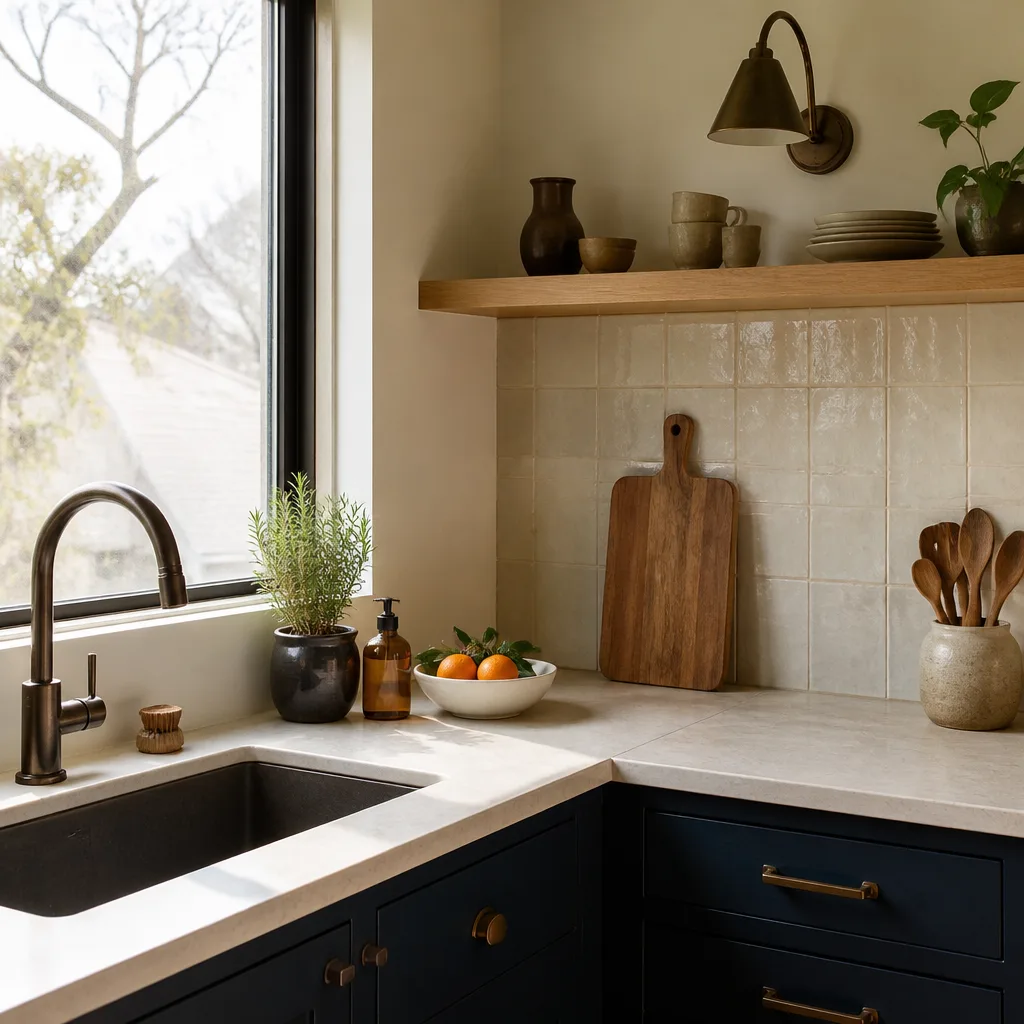
- Mid-range kitchen: $45,000 – $95,000 with semi-custom cabinets (KraftMaid or Wellborn), quartz countertops (Cambria, Silestone, or Caesarstone), and new appliances.
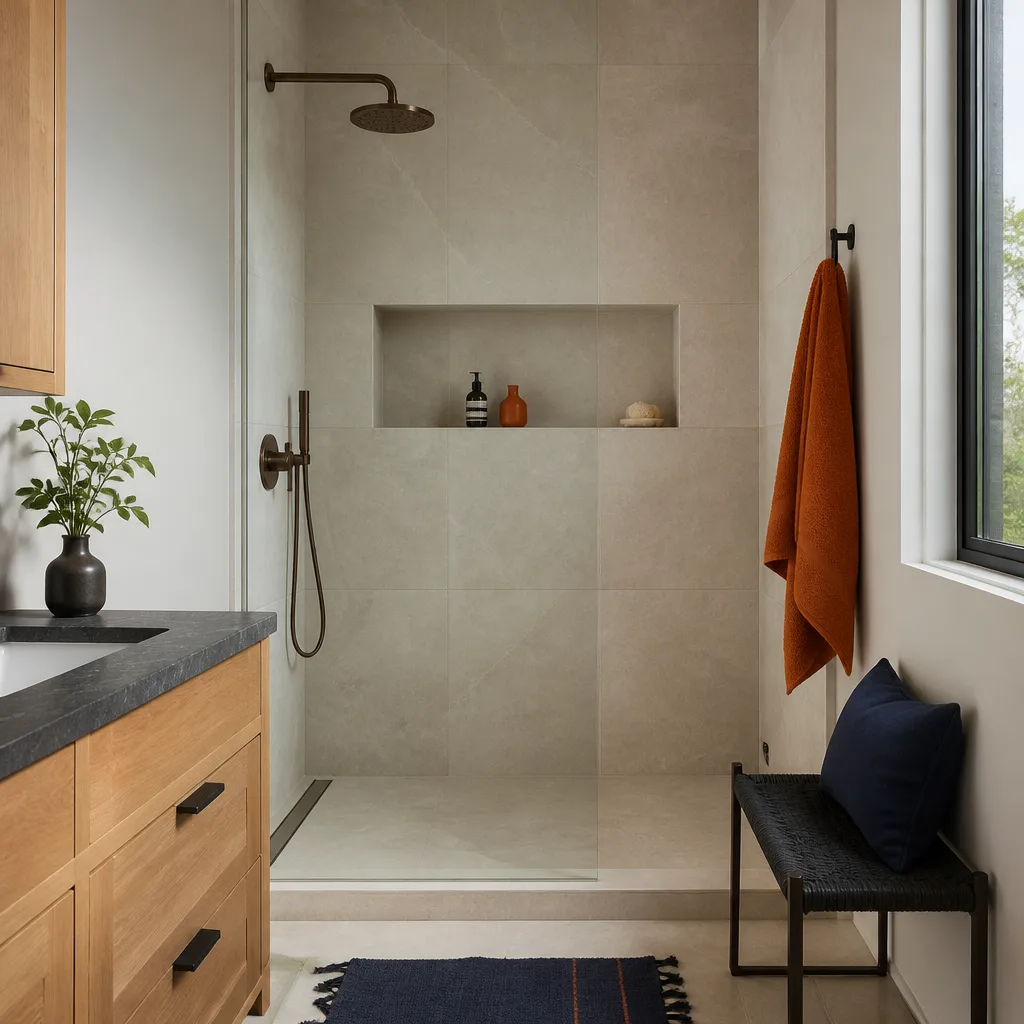
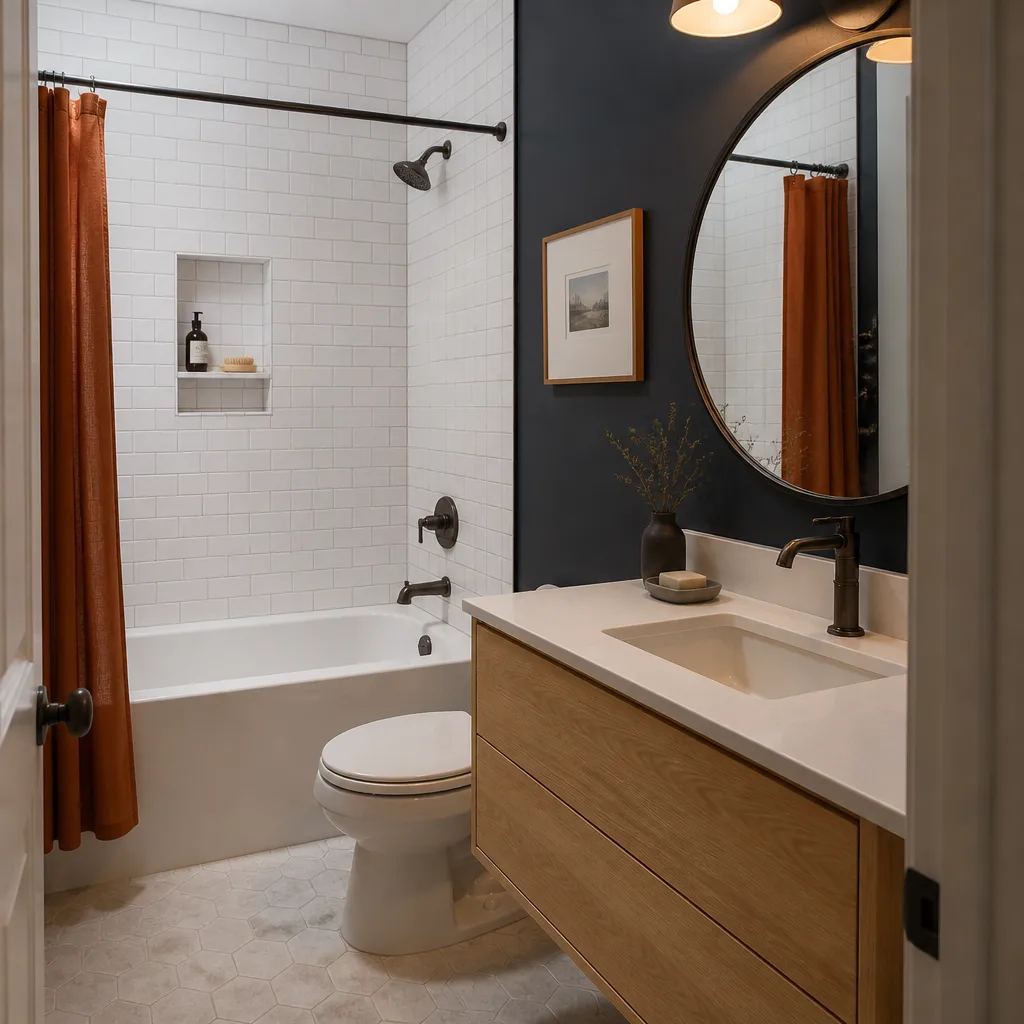
- Full bathroom remodel: $18,000 – $40,000 depending on tile selection, fixture grade (Kohler, Moen, Grohe, Toto), and whether the layout changes.
Windows, roofing, and additions
- Whole-home window replacement: $9,000 – $25,000 depending on count, frame material, and product line (PGT, CGI, Therma-Tru, ES Windows, ECO Window Systems).
- Roof replacement: $14,000 – $32,000 for an average Concord home, with system choice (GAF, CertainTeed, Owens Corning, IKO, Atlas, Tamko, Boral) affecting both price and warranty terms.
- Home addition: $150,000 – $350,000 for a 400 – 600 square foot addition depending on foundation, finishes, and structural complexity.
- Detached ADU: $180,000 – $400,000 for a traditional build; prefab options through Abodu, Mighty Buildings, Boxabl, or Plant Prefab can sometimes reduce total cost and schedule, but site work and utility connections remain.
How to Read a Contractor Quote Line by Line
The number at the bottom of a quote tells you almost nothing until you read what’s above it. A quote that’s $8,000 lower than another often reflects scope that isn’t included, not a better deal. Here’s how to read a proposal with a contractor’s eye.
- Check the scope description for each line. A line that says “demo existing driveway” should specify haul-away and disposal. A line that says “install cabinets” should say who supplies them, who assembles them, and whether countertop templating is included.
- Look for what’s missing. Permits, inspections, engineering, site protection, final cleanup, and dumpster fees are common omissions. Ask the contractor to confirm whether each is included or excluded.
- Read the exclusions page carefully. Reputable contractors list exclusions explicitly. If a quote has no exclusions section, ask for one before signing.
- Compare allowances. Many quotes list allowances for tile, fixtures, or countertops. Ask what happens if your selections exceed the allowance and how the overage is priced.
- Check for change-order language. A good contract explains the process for changes: written approval, pricing method, and schedule impact. If the language is vague, the change order will be a surprise.
- Confirm the payment schedule. Deposits, draw schedules, and final payment terms should be in writing and tied to completed milestones rather than arbitrary dates.
In our experience, the two quotes most likely to generate change orders are the lowest one and the one with the shortest written scope. Read the middle of the document, not just the total.
What Concord Permits and Inspections Add to Your Budget
Permit fees in Concord are calculated based on project valuation, which means they scale with your budget. For most homeowners, that’s a surprise they didn’t plan for. Roof replacements, additions, bathroom and kitchen remodels that move plumbing or electrical, and any structural work generally require a permit. Fence installations and driveways typically have their own rules depending on height and location on the lot.
Permit costs themselves usually run in the range of several hundred to several thousand dollars, depending on scope. But the larger budget impact is what happens around the permit:
- Plan review time. Projects that require architectural drawings and structural engineering add design cost before the permit application even begins.
- Inspection scheduling. A project with multiple inspections (framing, rough plumbing, rough electrical, insulation, final) has more points where the schedule pauses, and pause time is labor time.
- Corrections. If an inspection reveals an issue, the correction and re-inspection can add days, and sometimes a second round of fees.
The point isn’t to avoid permits; it’s to budget for them accurately. A contractor who plans for permit cost and inspection time from the start gives you a more accurate estimate than one who treats permits as an afterthought. Construction Concord pulls the permits and manages the inspections as part of the project, so the homeowner isn’t chasing down the building department in the middle of a remodel.
Where Homeowners Consistently Underbudget
Not every project line item makes a good before-and-after photo. The work that doesn’t photograph well is the work that drives a large share of the cost. In our experience, homeowners who underbudget most often miss these items:
- Site prep and demolition. Removing a failing driveway, cutting out old fencing, or demolishing a bathroom takes labor, equipment, and dumpster space. This phase often accounts for 15% to 30% of exterior project cost.
- Base and sub-base work. A paver or concrete installation is only as good as what’s under it. Excavation, grading, compacted aggregate base, and geotextile fabric are non-negotiable for anything that has to last in Concord’s clay-heavy soils.
- Disposal fees. Construction debris hauling is more expensive here than national averages suggest. A national guide that assumes $400 for a dumpster may be off by a significant margin once you account for regional disposal rates.
- Drainage correction. If water is moving toward the house, drainage has to be part of the scope. That adds cost but avoids a much larger repair later.
- Finish details. Trim, edge restoration, caulking, painting touch-ups, and site cleanup are commonly underestimated. They don’t show in the line items but they consume real hours.
- Utility relocation or protection. Irrigation lines, gas stubs, and electrical conduit in the work area may need protection or relocation. The contractor may not know until demolition begins.
A line-item estimate should include these items, not lump them into an allowance. When a Concord contractor gives you a written estimate and the line items include base prep, disposal fees, and site protection, that’s a sign you’re working with someone who has done this work in this city.
What Material Brand Tiers Actually Buy You
Brand names aren’t about prestige. They’re about what happens after five or ten years of Concord conditions: warm dry summers, moderate winters, and a soil profile that can challenge hardscape and fencing.
In hardscape, a premium paver line like Belgard or Unilock typically offers better dimensional consistency, stronger color-through manufacturing, and a longer manufacturer warranty than a generic product. For a driveway, that translates to less chance of joint sand failure, less fading, and fewer surface flaws over time. A $3,000 premium on the product line often pays for itself in avoiding re-sanding and repair work later.
In fencing, an ornamental steel product from Ameristar or Jerith versus a lower-cost alternative affects corrosion resistance, weld quality, and warranty coverage. Wood fence lifespan depends more on installation method (post depth, concrete set, drainage) than on wood species alone, so choose the installer as carefully as the material.
In roofing, the difference between a premium shingle system and a builder-grade product shows up in wind ratings, algae resistance, and warranty terms. GAF, CertainTeed, and Owens Corning each offer staggered product tiers; the “same brand, different price” category is a real thing and the middle tier is often the smart choice for a Concord roof that needs to perform for around 25 to 30 years.
In kitchens, a semi-custom cabinet from KraftMaid or Wellborn offers better drawer hardware, more interior configurations, and better warranty support than a stock cabinet line. Countertop choice matters too: Cambria quartz offers a consistent factory finish, Silestone offers broad color selection, and Caesarstone offers strong stain resistance. The real difference isn’t the name on the label; it’s what the manufacturer stands behind and how you’ll feel about it ten years from now.
The Cost of Coordinating Multiple Trades
If you’re planning more than one project at once, whether a new driveway, a fence, and a roof in the same season or a kitchen remodel and an addition in the same year, the coordination cost is real and often invisible in per-project estimates.
Every time one trade finishes and another starts, there’s a handoff. That handoff requires scheduling, sequencing, and often a re-inspection of the site. When the same general contractor manages all the trades, the handoffs are internal. When different companies each quote their own scope, the coordination happens on the homeowner’s time and often at the homeowner’s risk.
The specific places coordination shows up in a budget:
- Site protection. Protecting a new driveway from roofing materials, or a finished fence from hardscape equipment, is one contractor’s responsibility only when there’s a single contractor.
- Scheduling. A controlled schedule means fewer idle days and less disruption. Trades moving in and out on the homeowner’s coordination often result in weeks of idle time.
- Change orders. A change requested with three trades on-site becomes a single change order when it’s coordinated in-house, and three separate scope amendments when it isn’t.
Construction Concord’s seven-trade scope is designed around this exact problem. From driveway & pavers to fence installation to home additions & ADU, the coordination is handled internally. That’s not a marketing distinction; it’s a real budget line for multi-phase homeowners.
How to Sequence a Phased Renovation
Phased renovations are common in Concord, and the wrong sequence can cost more than the right one. The general rule is to work from the outside in, bottom up, and infrastructure-first. Here’s how that plays out in practice:
- Prioritize structural, drainage, and utility work first. If you’re planning an addition, expanded electrical service, or a new drainage system, do it before finishes go in. Running conduit and drainage under a new paver driveway is far cheaper than trenching through it later.
- Replace roofing and windows before interior work. If a roof is near replacement, do it before a kitchen or bathroom remodel so leaks don’t threaten new finishes.
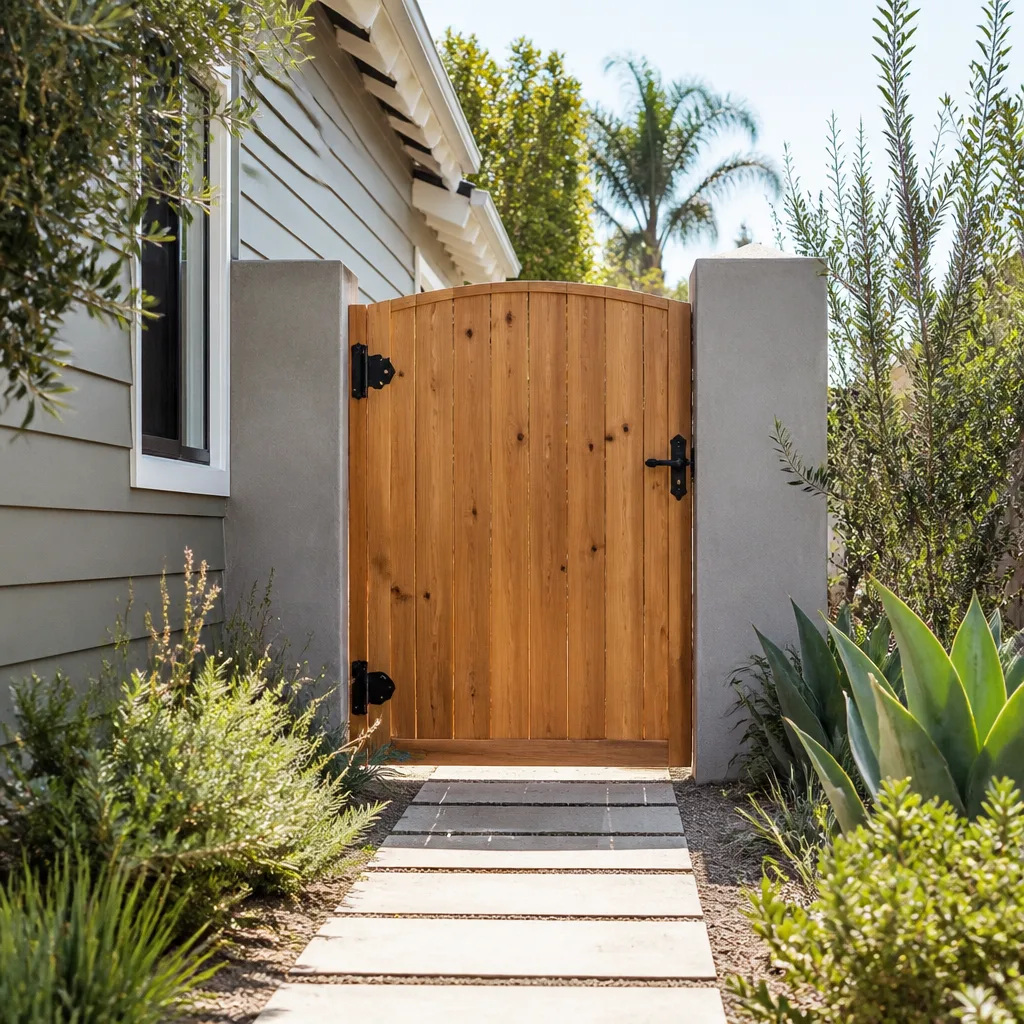
- Do exterior hardscape and fencing next. These projects involve heavy equipment and foot traffic. Better to complete them before finishes are installed and the site has to be protected.
- Complete the interior last. Kitchens and bathrooms are the most sensitive to dust, foot traffic, and disruption from adjacent projects, so they typically go last in the sequence.
- Group projects where the scope overlaps. If you’re already doing a driveway, add the walkway during the same mobilization. If you’re doing a bathroom, add a laundry room or powder room update while the sub-trades are on site.
A phased renovation only works when the same contractor is planning the whole sequence. If you’re working with a different contractor for each project, the sequence gets planned after the fact, and the cost of overlap disappears. Construction Concord’s ability to see Construction Concord as your single-source partner across all seven trades is specifically about getting the sequence right the first time.
Common Mistakes to Avoid
- Comparing bottom-line totals without comparing scope. A lower number usually means less work is included, not less cost. Line-item comparison is the only fair comparison.
- Underestimating permit and inspection time. Plan for permit review and inspection scheduling to add weeks, not days, to the overall timeline. It’s not a delay; it’s a step.
- Choosing materials before site conditions are known. A paver selected without knowing base condition, drainage, or slope can turn into a change order before installation begins.
- Skipping site prep in the budget. Base, grading, disposal, and utility protection are the items most often underestimated. If they’re not in the estimate, they’re not in the price.
- Using a different contractor for each project. Each handoff between contractors adds scheduling risk and cost. Coordination handled by one contractor often costs less overall than coordinating multiple separate contractors.
- Ignoring drainage before adding finishes. If water moves toward the house, no amount of new hardscape or new roof will fix it. Drainage is the first project, not the last.
- Treating the lowest bid as the benchmark. The right question isn’t “who is cheapest?” It’s “who has written a scope I can actually compare?” The lowest total usually signals a scope that’s thinner than the others.
See the difference
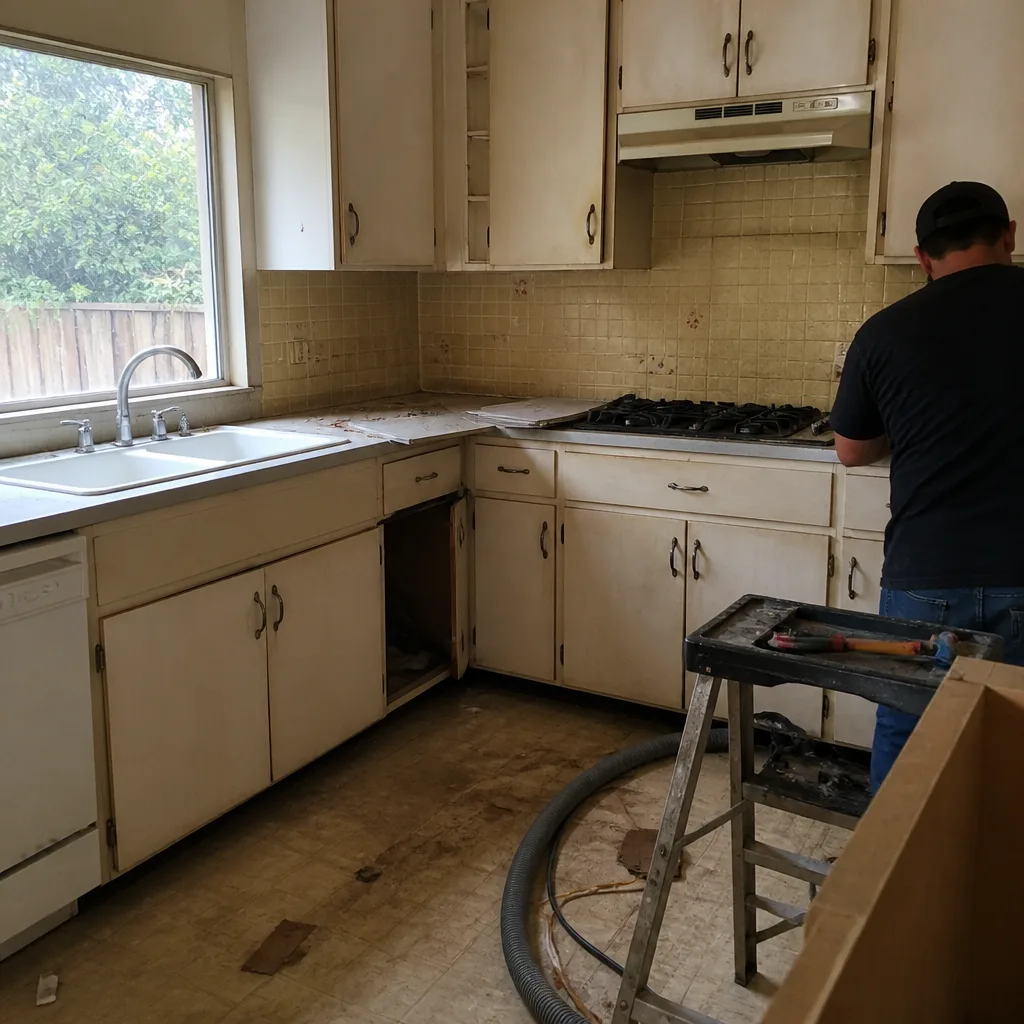 Before
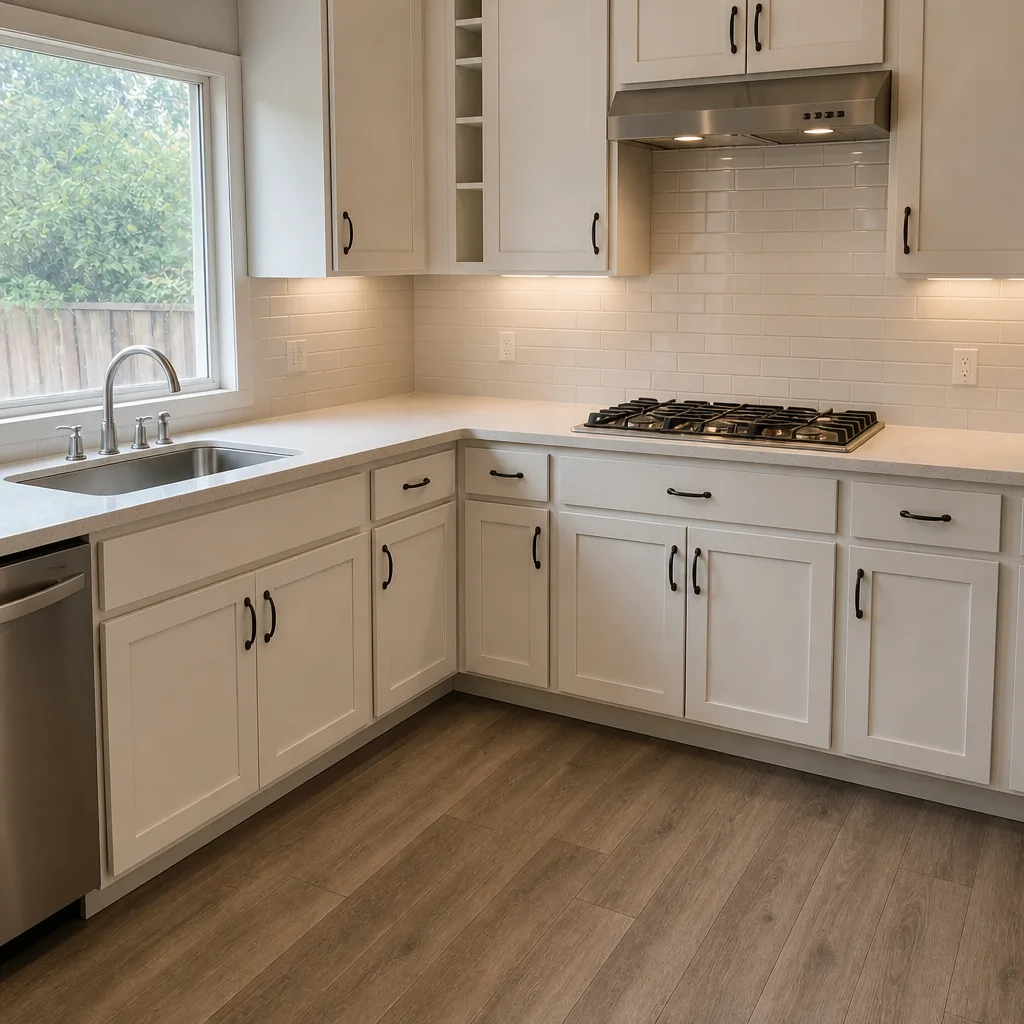 After
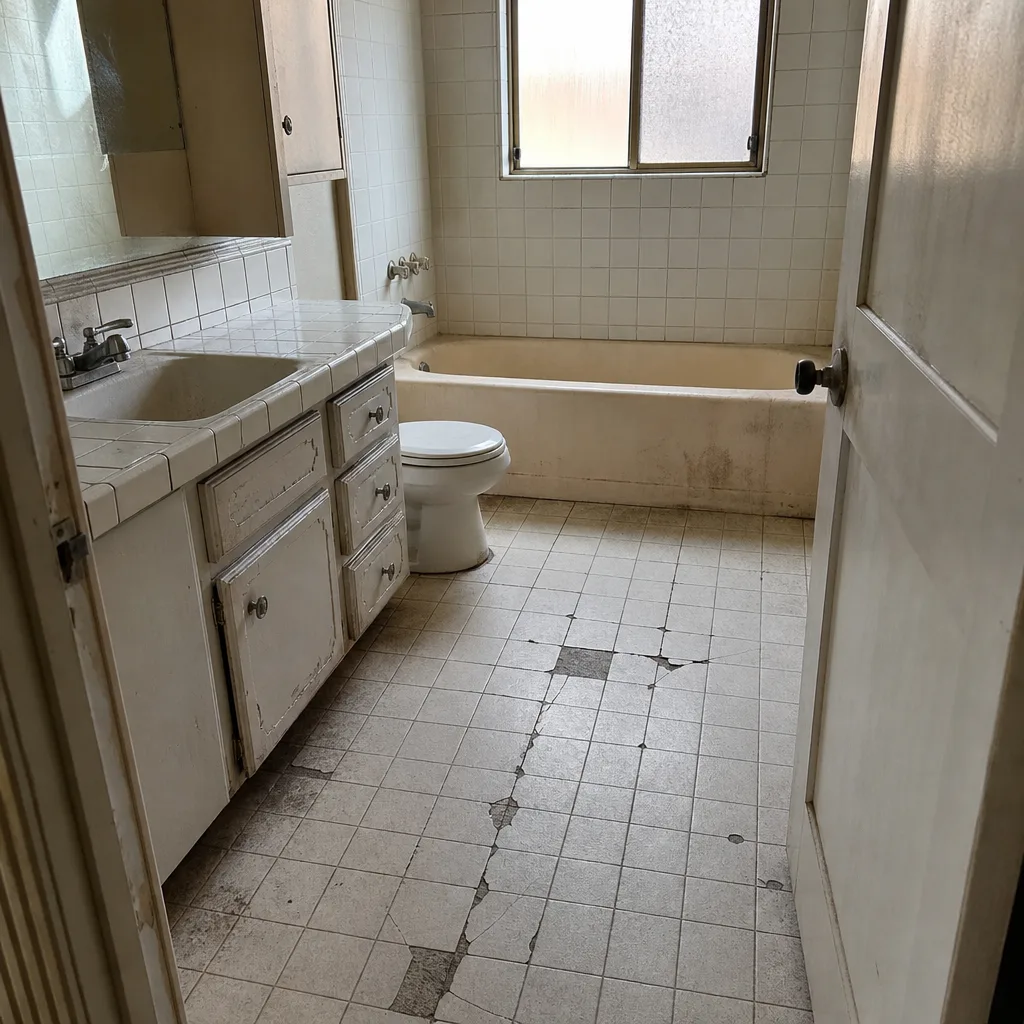 Before
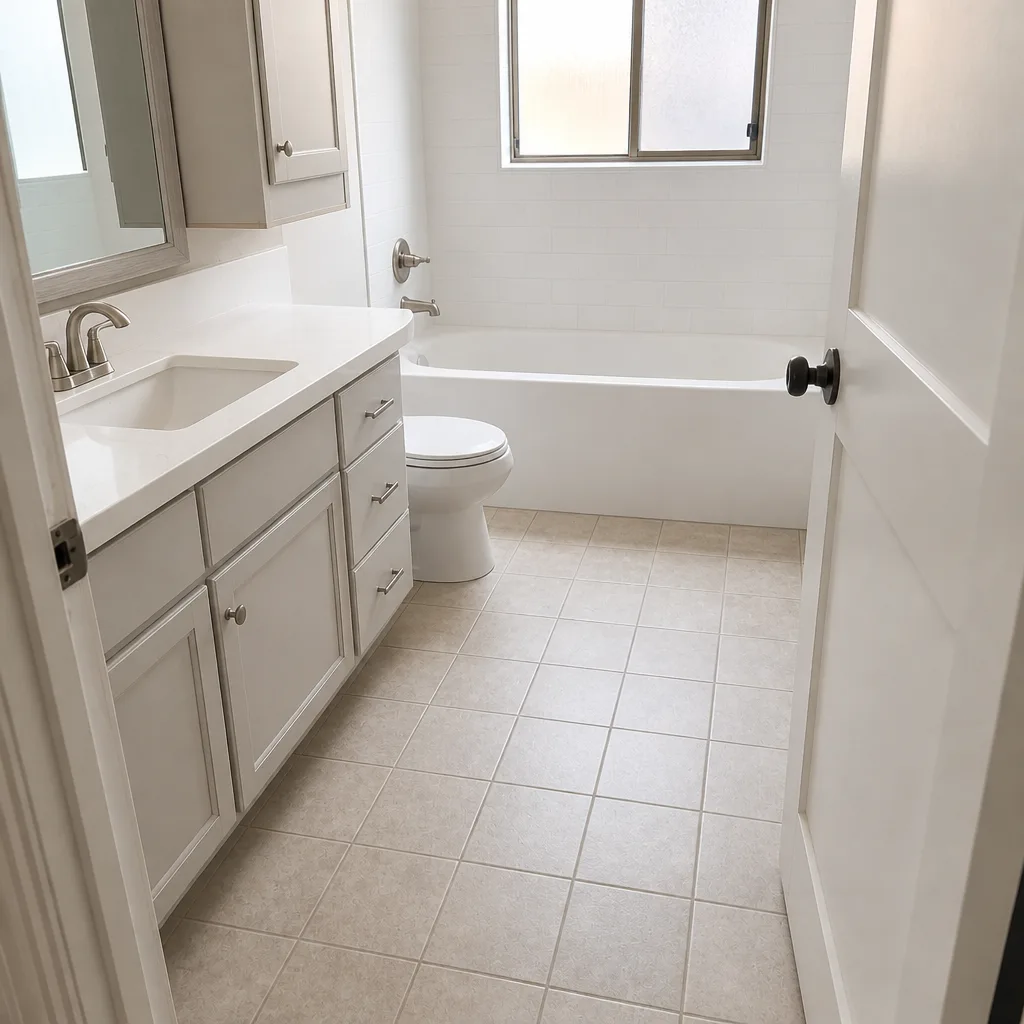 After
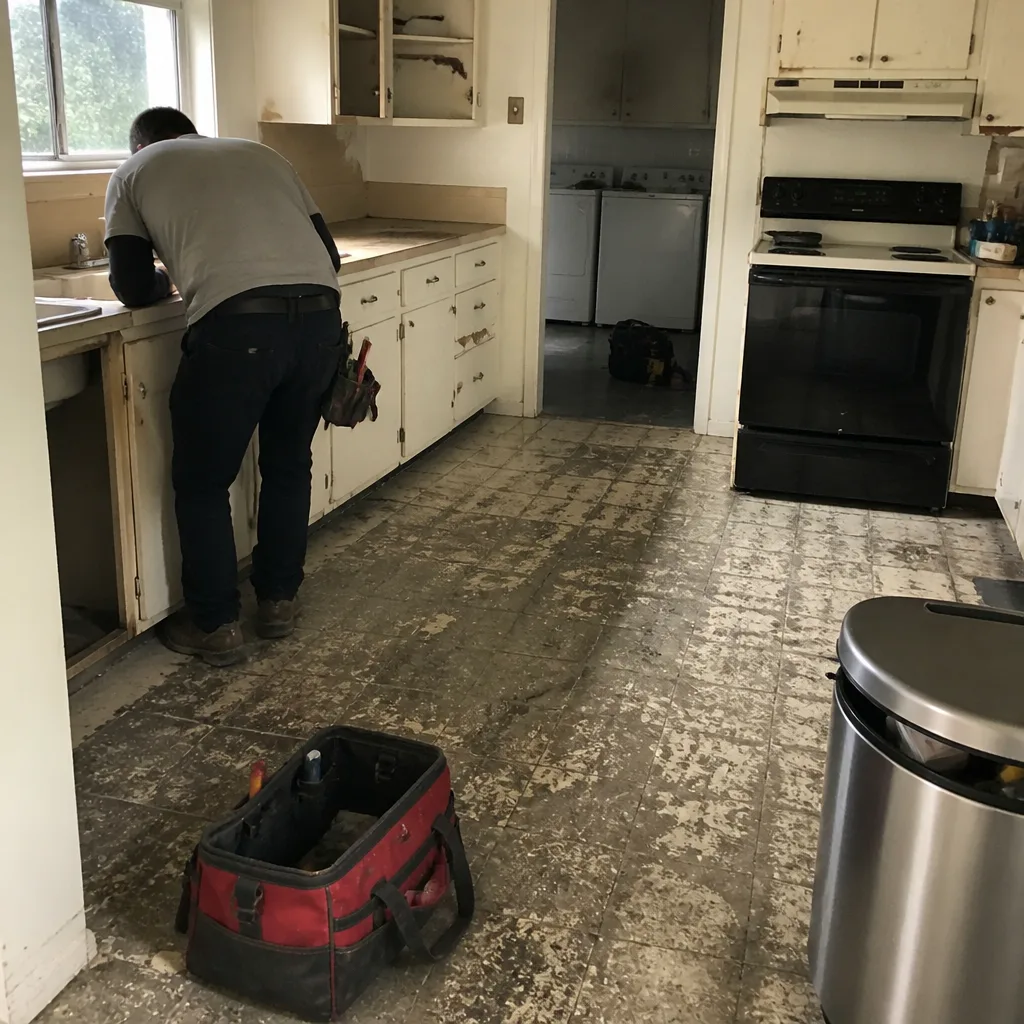 Before
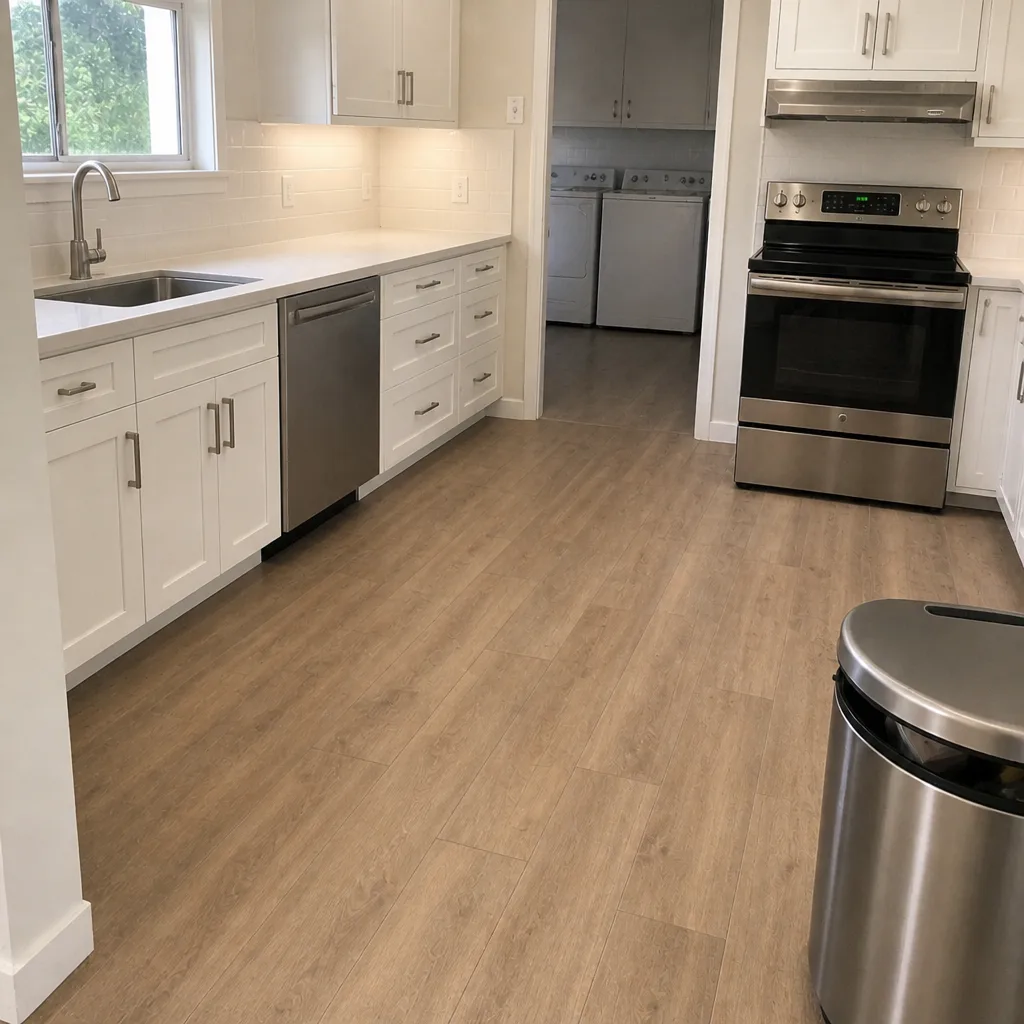 After
When to Call a Professional
Some work is fine for a homeowner to handle on a weekend. Most construction work on this list is not. Call a professional when the project involves structural work, electrical or plumbing that requires a permit, roofing or elevated work, foundation or grading that impacts water movement, or any project where the scope isn’t clear from the ground. If you’re planning a multi-phase renovation, call before you start: the sequence matters and a professional can help you plan it. Construction Concord offers free estimates in Concord – call (866) 611-9068. We answer 24/7. Fast dispatch from 7am to 7pm, Sunday through Friday.
Frequently Asked Questions
A concrete driveway replacement in Concord typically runs $12,000 – $22,000 depending on size, base condition, and disposal requirements. Paver driveways usually run $18,000 – $35,000 depending on the product line. These ranges assume standard scope with proper base prep. Call (866) 611-9068 for an exact quote – estimates are free.
National averages don’t include Contra Costa labor rates, California material pricing, or Concord permit fees. Those three factors alone typically account for the difference, and sometimes more. A quote that includes proper scope is usually a better comparison than a national average.
If the project moves plumbing, electrical, or structural elements, a permit is typically required. Cosmetic-only projects (paint, cabinet refacing, fixture swap) often don’t require one. The right answer depends on the specific scope, so confirm with the city building department and with your contractor before starting.
A written estimate should list scope line by line, note exclusions, identify allowances, and specify whether permits, inspections, disposal, and site protection are included. If the estimate is one page with a single total, ask for more detail before signing.
A detached ADU typically runs $180,000 – $400,000 for a traditional build, with prefab options sometimes reducing total cost and schedule but not eliminating site work, foundation, or utility connection costs. Prefab lines like Abodu, Mighty Buildings, Boxabl, and Plant Prefab offer viable paths alongside conventional construction.
Yes, and there’s a budget advantage to it. When the same contractor coordinates multiple trades, schedule handoffs happen internally, site protection is consistent, and change orders become one process rather than three. Construction Concord’s seven-trade scope is designed for exactly this kind of multi-phase work.
The Bottom Line
Concord construction costs in 2026 are real, local, and specific. National averages are a starting point, not an answer, and the 20% – 40% gap isn’t a markup. It’s labor, materials, and permits. Read every quote line by line, budget site prep and disposal honestly, prioritize drainage and structure before finishes, and plan multi-phase projects in a sequence that saves mobilization cost. The written estimate sets the final price, and a contractor who shows you a detailed one is a better partner than one who shows you a single number.
Construction Concord works with 50+ name-brand manufacturers across every trade, from GAF roofing to KraftMaid cabinets to Belgard pavers, so you’re choosing product lines at real quality tiers rather than accepting whatever’s on hand. If you’re planning a Concord project in 2026, call (866) 611-9068 for a free estimate. We answer 24/7. Fast dispatch from 7am to 7pm, Sunday through Friday.
Written by the team at Construction Concord.