Last updated November 18, 2026




Free written scope consultation - allowances, timeline, and change-order rules on paper before a single trade is scheduled
Construction Emergency Preparedness Guide for Concord Homes
Most people picture a construction emergency as something dramatic: a hillside giving way, a wall cracking open, a roof lifted off in a storm. In our experience around Concord, the far more likely scenario is quieter and messier. It’s a rainstorm on a Tuesday night, water sheeting across a driveway that used to drain fine, a retaining wall at the back of the lot that’s suddenly leaning, and a homeowner standing in the garage at 10pm with no contractor to call and no idea where the water is coming from. The dramatic events get the news coverage. The drainage failures, the foundation intrusion, the settling hardscape – those are what actually fill the emergency call logs, and almost none of them were planned for. This guide walks you through what those failures look like, what to do in the first thirty minutes, and how to spot the trouble before the rainy season turns it into a crisis.
Quick Answer
The most common construction emergencies in Concord homes are water intrusion from failed drainage, retaining wall and slope failures, foundation cracking and seepage, wind and storm damage to roofing and windows, and hardscape collapse around driveways and paver systems. Preventing them comes down to a pre-season inspection of grading, gutters, walls and seals, and knowing exactly what to do – and not do – in the first thirty minutes after you spot a problem. A single contractor who already knows your property’s construction history is your fastest path to a real fix.
Styles & brands we work with
- Kitchen remodeling
- Bathroom remodeling
- Home additions & ADU
- Roofing
- Windows & doors
- Driveway & pavers
- Fence
Table of Contents
- The Five Most Common Construction Emergencies in Concord Homes
- The First 30 Minutes: Drainage Breach, Wall Failure, Foundation Intrusion
- The Pre-Season Inspection Checklist
- Documenting Emergency Damage for an Insurance Claim
- Why One Contractor Who Knows Your Property Matters
- Concord’s Seasonal Pattern and What It Means for Your Home
- After the Emergency: Repair, Rebuild, and Prevent a Repeat
- Frequently Asked Questions
The Five Most Common Construction Emergencies in Concord Homes
If you ranked Concord’s construction emergencies by how often they actually happen, the list would look nothing like a disaster movie. Ranked by frequency in our experience, here’s what homeowners actually call about:
- Drainage and grading failures. Water pooling against the foundation, a clogged or undersized drain line, or a slope that’s settled just enough to send runoff toward the house instead of away from it. This is number one by a wide margin, and it does its damage slowly until a big storm makes it sudden.
- Retaining wall movement. Walls that were built without proper drainage behind them – no gravel, no weep holes, or weep holes that have silted shut – start to bulge or lean. When a wall lets go, it takes soil and whatever sits above it along with it.
- Foundation cracking and seepage. Hairline cracks are common and often harmless. Cracks that widen, or that let water into a crawlspace or garage, are a different matter and need eyes on them quickly.
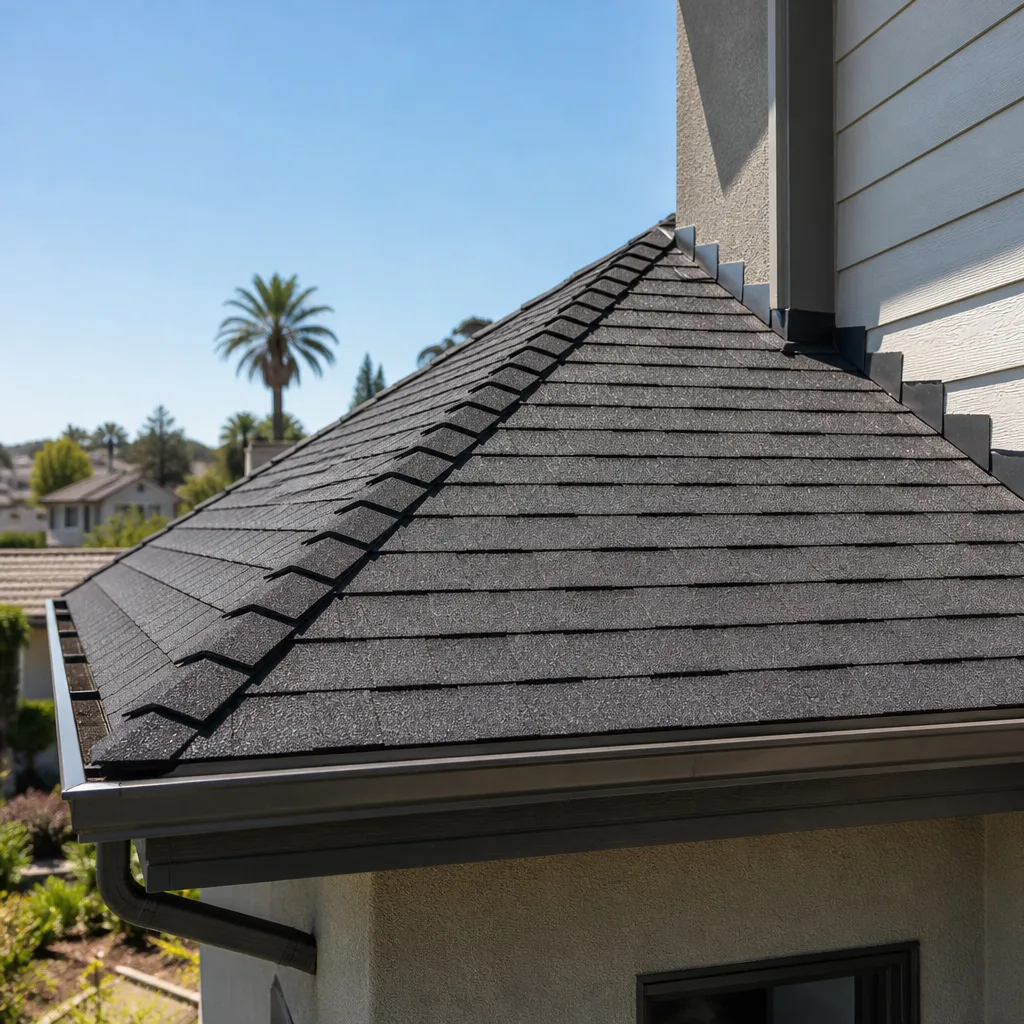
- Wind and storm damage to roofing, windows, and doors. Missing shingles, lifted flashing, cracked glazing, and doors that no longer seal tight. Roofing systems from GAF, CertainTeed, and Owens Corning all perform well when installed correctly – the failure is almost always at the penetrations and edges, not the field of the roof.
- Hardscape collapse. Paver driveways and patios that heave, sink, or shift when the base wasn’t compacted or drained properly. A Belgard or Techo-Bloc installation on a bad base will fail just as fast as a cheap one on a good base – the base is the whole ballgame.
Notice what’s absent. The odds of a homeowner in Concord facing any one of these in a given year are far higher than the odds of facing something catastrophic. Plan for the likely, and you’ve covered most of your risk.
The First 30 Minutes: Drainage Breach, Wall Failure, Foundation Intrusion
What you do in the first half hour after you spot a problem determines how much damage follows. The goal is not to fix anything – it’s to stop the damage from spreading and to stay safe while you do it. Here’s how to handle the three scenarios we’re called about most.
Drainage breach or water at the foundation
- Get water away from the structure. If it’s safe to move, direct the flow with sandbags, a temporary berm, or by clearing the obvious blockage in a gutter downspout.
- Shut off power to any area where water is near outlets, the panel, or appliances. Don’t wade into standing water near electrical equipment.
- Move what you can off the floor – stored items, furniture, anything that will wick water up a wall.
- Take photos and video before you move anything, and take more as you work. Insurance adjusters care about the sequence.
- Call a contractor and, if water is entering living space, your insurer. Don’t tear out drywall or flooring yet – that’s for after the documentation and after the water source is confirmed.
Retaining wall failure
A leaning wall is a serious hazard, and the soil behind it is heavy. Keep people and pets away from the base and the top. Don’t try to prop it, dig behind it, or add fill to the front. Photograph the wall and the surrounding grade from a safe distance, note any cracks or bulges, and call a professional. If the wall borders a neighbor’s property or a public right-of-way, tell them too. This is one of the cases where waiting a day to “see if it settles” can turn a repair into a rebuild.
Foundation intrusion
If water is coming through a foundation wall or floor crack, the same rules apply: move belongings, document first, and don’t seal the crack from the inside while water is still pushing through – you’ll just trap it. Note where the water enters, how much, and whether it correlates with rain. That pattern tells a contractor a lot about whether you’re dealing with a drainage problem, a foundation problem, or both.
The Pre-Season Inspection Checklist
Most winter construction emergencies were visible months earlier. The conditions that cause the vast majority of them – poor grading, clogged drainage, failing seals, moving walls – show up in a routine walk-around. Do this before the rains arrive:
- Check grading and slope. Walk the perimeter after a rain or with a hose. Water should move away from the foundation on every side. Any spot where it pools within a few feet of the wall is a flag.
- Clear gutters and downspouts. Confirm downspouts discharge well away from the foundation and onto a surface that drains. An extension is cheap; foundation repair is not.
- Inspect retaining walls. Look for bulges, lean, cracks, and clogged weep holes. Clear weep holes by hand; if they’re silted solid, have them addressed.
- Look at the driveway and pavers. Sinking, rocking, or heaving pavers usually mean the base is failing or drainage underneath is wrong. Catch it before a section collapses.
- Check roofing and flashing. From the ground with binoculars, look for missing or lifted shingles, worn sealant at flashing, and debris in valleys. Stay off the roof – that’s steep, dangerous work for trained technicians.
- Test windows and doors. Look for failed seals, cracked glazing, and doors that don’t latch or seal. A window system from Mr-Glass or a comparable line is only as good as its installation and its seals.
- Inspect the fence line. Storm season is when a leaning fence becomes a fence on the ground. Check posts and panels for rot and movement.
If any item on that list looks off, get it looked at now. A pre-season estimate is free; an emergency repair rarely is.
Documenting Emergency Damage for an Insurance Claim
How you document the damage in the first hours often matters as much as the repair itself. Adjusters work from evidence, and the evidence you gather early is the evidence that survives. Do it in this order:
- Wide shots first. Before you touch anything, photograph the whole scene: the room, the wall, the yard, the driveway. Context shots establish where the damage is relative to the house.
- Then close-ups. Shoot the specific damage – the crack, the waterline, the buckled paver, the missing shingles. Get a scale reference in at least one shot (a ruler, a hand, a coin).
- Video walkthrough. A slow, narrated video of the whole affected area is the single most useful thing you can hand an adjuster. Narrate what you’re seeing and where.
- Photograph the cause, not just the damage. The clogged drain, the failed seal, the leaning wall. Insurers care about cause and effect.
- Keep a written log. Note dates, times, what you observed, and who you spoke to. Note the weather at the time. Don’t rely on memory.
- Don’t discard anything. Keep damaged materials until the claim is settled. If you must move them, photograph them in place first.
One caution: don’t make permanent repairs before you’ve documented. Temporary measures to prevent further damage are usually fine and often expected, but the documentation comes first.
Why One Contractor Who Knows Your Property Matters
In an emergency, the value of a relationship isn’t the phone number. It’s the history. A contractor who already knows your property – the grading, the drainage, the age of the roof, the wall that was always a little suspect – can walk in and make a decision in ten minutes that a stranger would take two days to reach. They know which failures are new and which are old. They know what was built where, and by whom, and to what standard.
This is where a single-source approach pays off most. When one contractor handles the Construction Concord project from the ground up – hardscape, fencing, roofing, windows, and interior work – the knowledge of your property stays in one place. It also means that in the moment, you’re calling one number instead of trying to work out whether a drainage failure is a grading problem, a paver problem, or a foundation problem. Often it’s all three at once. driveway & pavers work is a good example: a failing paver system and a drainage breach are usually the same event, and it helps to have one team who sees the whole surface instead of three specialists who each fix their own piece.
That’s the argument for a full-scope partner. fence installation, roofing, windows, and the structure behind them all interact when a storm hits, and one contractor who can see the interaction is a faster, cleaner fix. The same logic applies to the biggest projects – home additions & ADU work and major renovations shift loads, change drainage, and alter how a house handles water, which is why coordinated construction on a property is the best defense against the next emergency.
Concord’s Seasonal Pattern and What It Means for Your Home
Concord’s climate gives us a useful planning tool: a long dry season and a wet season, and that wet season is when the ground soaks, the slopes shift, and the drainage that seemed fine all summer finally reaches its limit. The rainy months concentrate the risk, which means the work you do in the dry months is what protects you in the wet ones.
Add a long stretch of dry weather, which bakes the soil and opens small gaps around foundations and walls, followed by the first heavy rain, which drives into those gaps. That’s the setup. The wall that looked fine in September leans in January. The driveway that handled a summer sprinkler fails when the ground under it saturates. The roofing seal that shrank in the heat lets water in at the first storm. In our experience, the weeks before the rains are the most valuable time to act, because every dry-season fix lowers the odds of a wet-season emergency.
That’s also when it pays to look at the exterior as a system rather than a set of separate parts. A roof system from Atlas, Tamko, or Boral, the windows and doors beneath it, the hardscape at the curb, and the fence at the property line are one continuous envelope from the driveway to the kitchen. Water doesn’t respect the boundaries we draw between trades. A pre-season walk-around, done as a whole rather than in pieces, is the fastest way to find the weak point before water does.
After the Emergency: Repair, Rebuild, and Prevent a Repeat
Once the water is stopped and the damage is documented, the emergency turns into a project. The mistake homeowners make at this stage is fixing only what broke and calling it done. An emergency is a diagnostic – it tells you exactly where your property is weakest. Use it.
- Fix the cause, not just the symptom. If the drainage failed, regrade and rebuild it properly. If the wall failed, rebuild with proper drainage and compaction behind it. If the pavers heaved, redo the base. A fix that ignores cause is a fix that repeats.
- Have the whole envelope looked at. A single emergency often reveals three latent problems nearby. Have the same contractor walk the exterior and identify what’s next to go.
- Rebuild with brand-backed materials. The materials you choose now are the materials that face the next storm. Working with recognized product lines gives you known performance and, if something fails, a manufacturer to stand behind. That’s the brand’s standard, installed to ours.
- Plan the phased work. If you’ve been meaning to address several areas, the rebuild is a natural moment to sequence them with one contractor and one point of accountability.
- Keep the documentation. The photos, logs, and receipts from this emergency are your record for the next one. Keep a folder – digital is fine.
The best contractors connect you to independent local professionals who do the work to a real standard. The point of the repair is to make the next emergency much less likely.
See the difference
 Before
 After
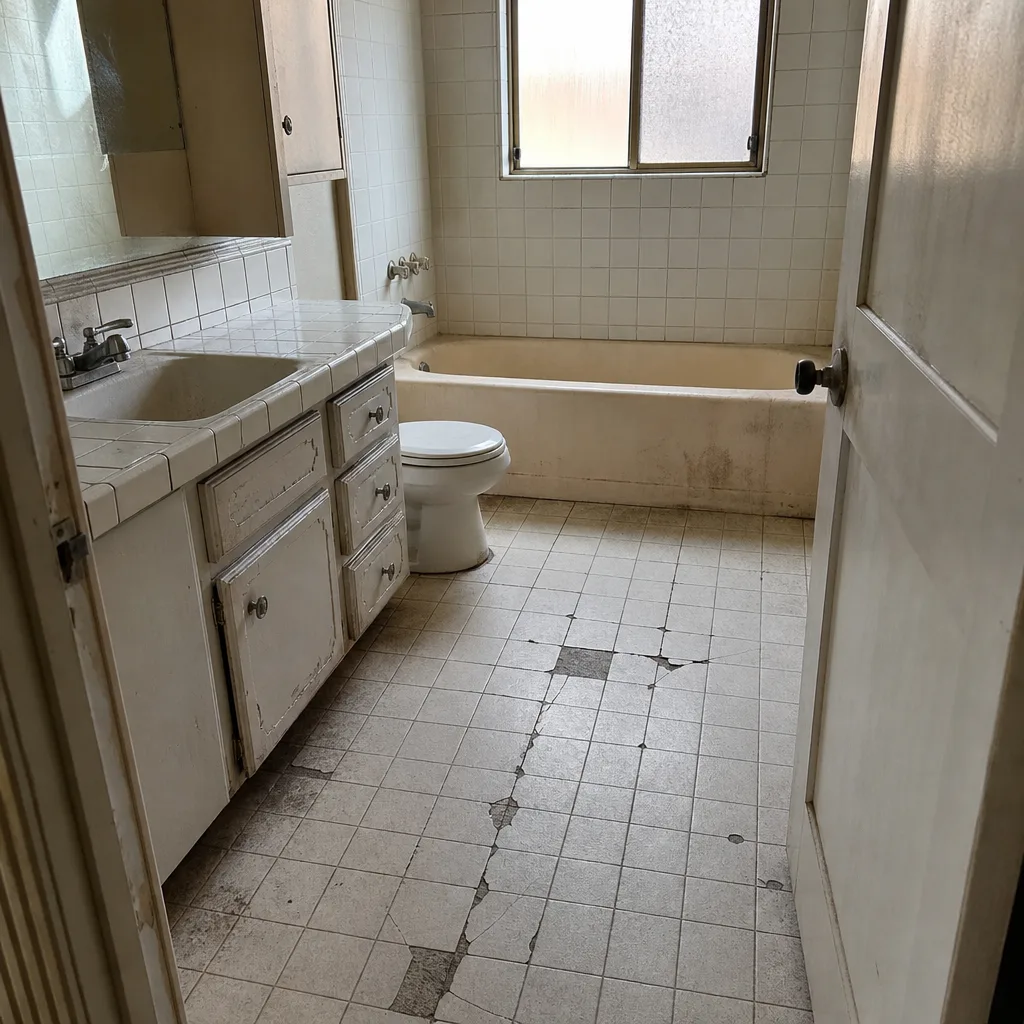 Before
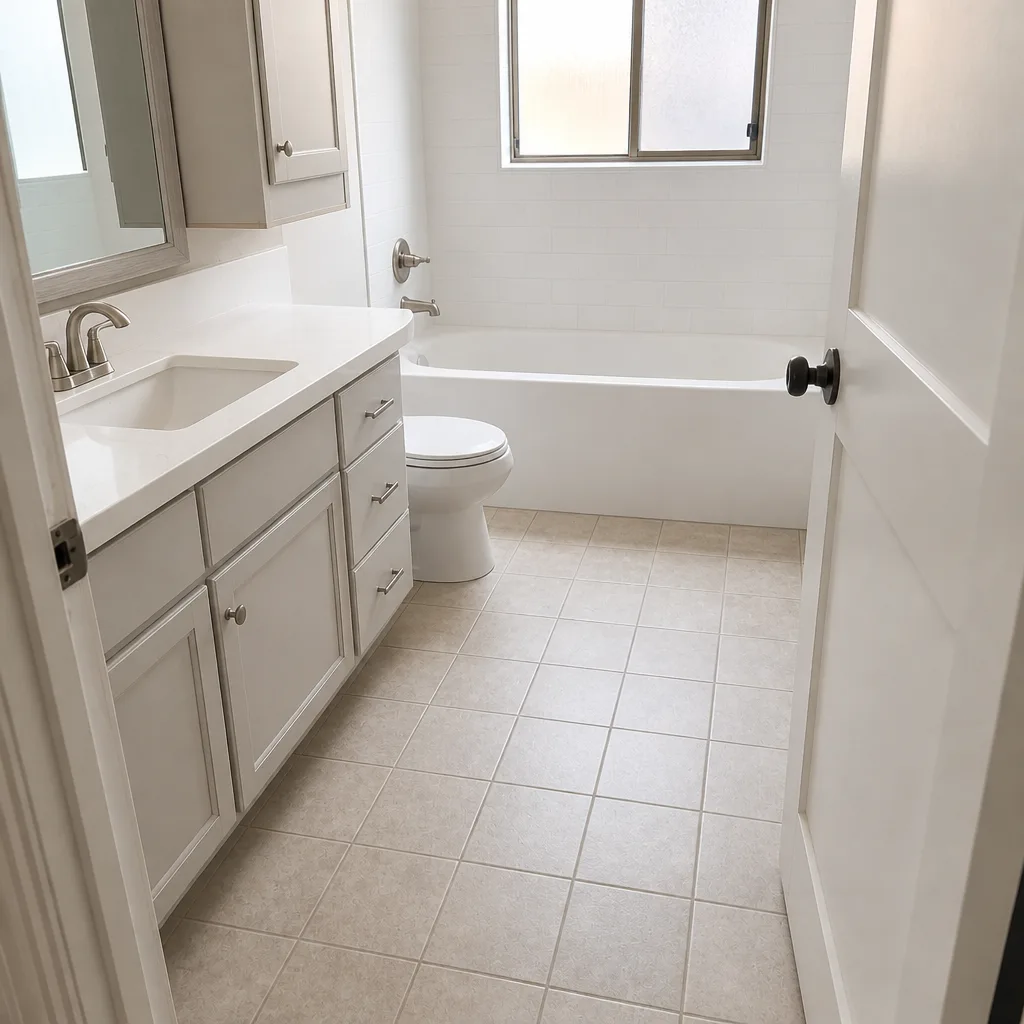 After
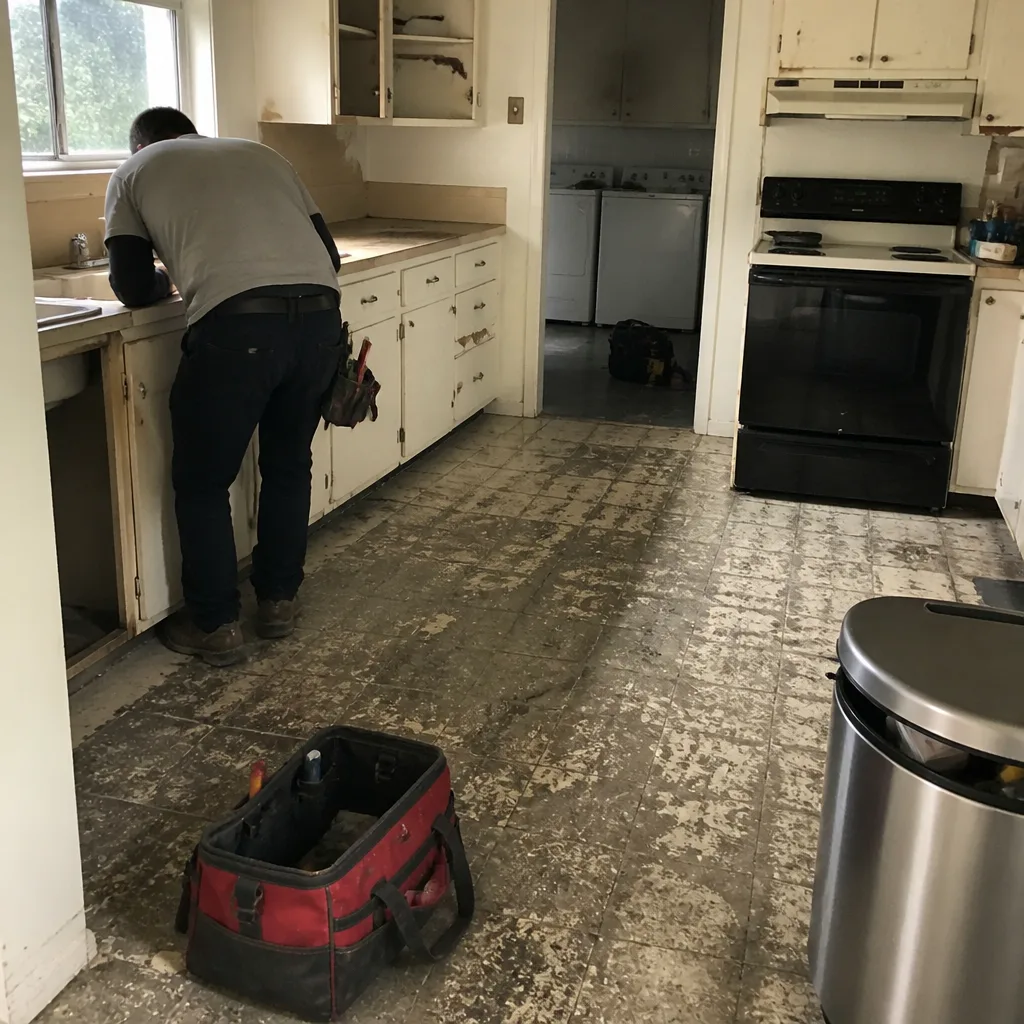 Before
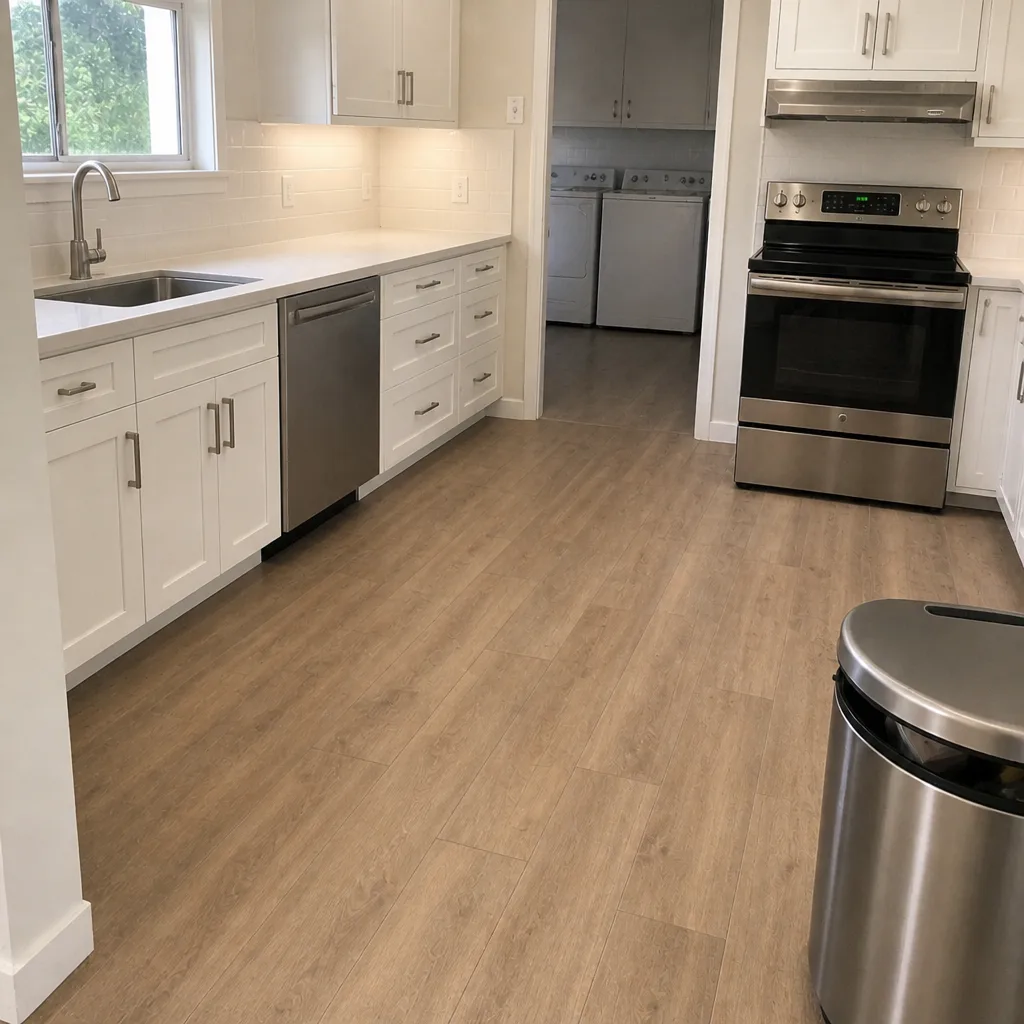 After
Common Mistakes to Avoid
- Waiting to see if it gets worse. In Concord, water and slope problems almost never arrest on their own. A problem that looks stable after a light rain can fail hard in a heavy one.
- Fixing the symptom, ignoring the cause. Painting over a stain or sealing a crack from inside without addressing the drainage that caused it traps water where it does more damage. The cause is the job.
- Documenting after cleanup. If you clean up first, you lose the evidence your insurer needs. Camera before mop, always.
- Rebuilding the same weak design. Rebuilding a retaining wall with the same missing drainage, or a paver system on the same uncompacted base, guarantees a repeat. Improve the design in the rebuild.
- Scattering the work across contractors. Calling a different specialist for each failure means nobody sees the whole property. One coordinator sees the interactions and avoids the finger-pointing.
- Skipping the dry-season inspection. The biggest mistake in Concord is waiting for the rains to reveal problems instead of finding them before the rains. A free pre-season walk-around beats an emergency repair.
- Climbing the roof yourself. Roofing is steep, dangerous work best left to trained technicians. Inspect from the ground and call for anything beyond that.
When to Call a Professional
Call a professional immediately for any of these: water entering living space or a crawlspace; a retaining wall that’s leaning, bulging, or has dropped soil behind it; a widening foundation crack or new seepage; missing or lifted roofing after a storm; a window, door, or skylight that’s leaking; and any hardscape that’s heaved or collapsed enough to be a trip or fall hazard. These are also the cases where a fast, accurate first assessment matters most, and where a single contractor who knows the property can save you time and money. For anything with a crack, a wall, or a leak, don’t DIY – get it looked at. Construction Concord offers free estimates in Concord – call (866) 611-9068.
Frequently Asked Questions
By frequency, they’re drainage and grading failures, retaining wall movement, foundation cracking and seepage, storm damage to roofing and windows, and hardscape collapse around driveways and pavers. None of these are rare; all of them are common during the wet season. Most are preventable with a pre-season inspection.
Stop the flow if it’s safe, keep water away from electrical equipment, document the damage with photos and video before moving anything, and call a contractor. Don’t tear open walls or seal cracks yet – that comes after the source is confirmed and the evidence is gathered. Call (866) 611-9068 and we’ll talk through the next step.
Wide shots first, then close-ups with a scale reference, then a narrated video walkthrough. Photograph the cause, not just the damage, keep a written log of dates and observations, and don’t discard damaged materials until the claim is settled. Call (866) 611-9068 for an assessment – the estimate is free.
Retaining wall and foundation repairs often require a permit, and the rules depend on the height and location of the structure. Ask your city’s building department before work starts – a good contractor will pull the permits and manage the inspection as part of the job. Call (866) 611-9068 to talk through your repair.
Stabilization can happen in a day; the full repair usually takes longer because it depends on the cause, the materials, and whether permits are required. The written estimate sets the timeline and the price, so you know before work starts. Call (866) 611-9068 for an exact scope.
Because in an emergency, history is everything. A contractor who already knows the grading, the drainage, and the age of the roof can diagnose the problem in minutes and choose the right fix. A stranger has to start from zero. Call (866) 611-9068 to start a relationship before you need one.
The Bottom Line

Concord’s construction emergencies are not the earthquakes and wildfires the news covers. They’re drainage failures, retaining wall movement, foundation seepage, storm damage, and hardscape collapse – all of them common, all of them cheaper to prevent than to repair. The plan is simple: inspect before the rains, know what to do in the first thirty minutes, document properly, and build a relationship with one contractor who sees your property as a whole. That’s preparedness. It’s not exciting, and that’s the point.
When something goes wrong, call (866) 611-9068 for a free estimate. We answer 24/7. Fast dispatch from 7am to 7pm, Sunday through Friday. One contractor, every layer of your home – from the driveway to the kitchen.
Written by the team at Construction Concord.