Last updated November 18, 2026
Free written scope consultation - allowances, timeline, and change-order rules on paper before a single trade is scheduled
Choosing the Right Construction Brand: A Buyer’s Guide for Concord
Two driveways poured in Concord the same month can look identical at year one and completely different by year five. Neither installer did anything dishonest. One product was engineered around a freeze-thaw cycle this city doesn’t have, and the other was built for the clay soil movement Concord absolutely does have. That’s the part of brand selection most homeowners never hear about: the label on the box matters far less than whether the product’s tested performance profile matches the conditions on your lot. This guide walks through how to read material specs against real Concord conditions, which brands hold up in Contra Costa County, what manufacturer warranties actually cover in California, and how to confirm the brand you chose is the brand that gets installed.
Quick Answer
The right construction brand for a Concord home is the one whose published specs match local soil movement, sun exposure, and seasonal moisture rather than a sales rep’s regional talking points. Ask for the manufacturer’s technical data sheet, check that the product’s tested application zone includes inland Contra Costa County, and confirm in writing that the specified brand and product line will be installed without substitution. Performance in Concord comes down to fit with local conditions, not prestige on the label.
Styles & brands we work with
- Kitchen remodeling
- Bathroom remodeling
- Home additions & ADU
- Roofing
- Windows & doors
- Driveway & pavers
- Fence
Table of Contents
- Why Concord’s Climate Picks Your Materials for You
- Clay Soil, Expansive Ground, and What It Does to Hardscape Brands
- Brands With Documented Performance in Contra Costa County
- What Manufacturer Warranties Actually Cover in California
- Why Contractor Relationships Unlock Better Product Lines
- How to Verify You Got the Brand You Paid For
- Questions to Ask Before You Sign a Materials Spec
Why Concord’s Climate Picks Your Materials for You
Concord sits in an inland valley where summers run hot and dry and winters stay mild and wet. There’s no freeze-thaw cycle to design around, no snow load, no coastal salt in the air. That last point matters more than people expect. Plenty of premium building products get specified for coastal California and then get sold inland, where the conditions they were engineered for simply aren’t present. You end up paying for corrosion resistance and weather sealing you don’t need, while the real stress on your property goes unaddressed.
What Concord properties actually face is a long dry season that pulls moisture out of the ground, followed by winter rains that push it back in. That cycle repeats every year, and it moves soil. It dries out wood siding and trim on the south and west faces. It heats hardscape surfaces to temperatures that punish cheap colorants. The brands worth your money are the ones that publish test data for those conditions, not the ones with the slickest brochure.
How to check a product against Concord conditions
- Ask the contractor or supplier for the manufacturer’s technical data sheet, not the marketing flyer. The data sheet lists tested applications, temperature ranges and substrate requirements.
- Find the manufacturer’s climate or application map. If coastal California is the primary zone, ask what secondary zone inland Contra Costa County falls into and get the answer in writing.
- Compare that zone to what your property actually does in July and January. If the product is rated for a cold-climate application and your site never freezes, you’re overpaying for irrelevant engineering.
- Ask what the product is tested against for soil movement, UV exposure and moisture cycling. A vague answer is a signal to keep looking.
We’ve found that the homeowner who asks these four questions gets more useful information in ten minutes than a dozen showroom visits. Our technicians have up to 12 years of experience, and most of what separates a material that lasts from one that fails is decided before anything gets installed.
Clay Soil, Expansive Ground, and What It Does to Hardscape Brands
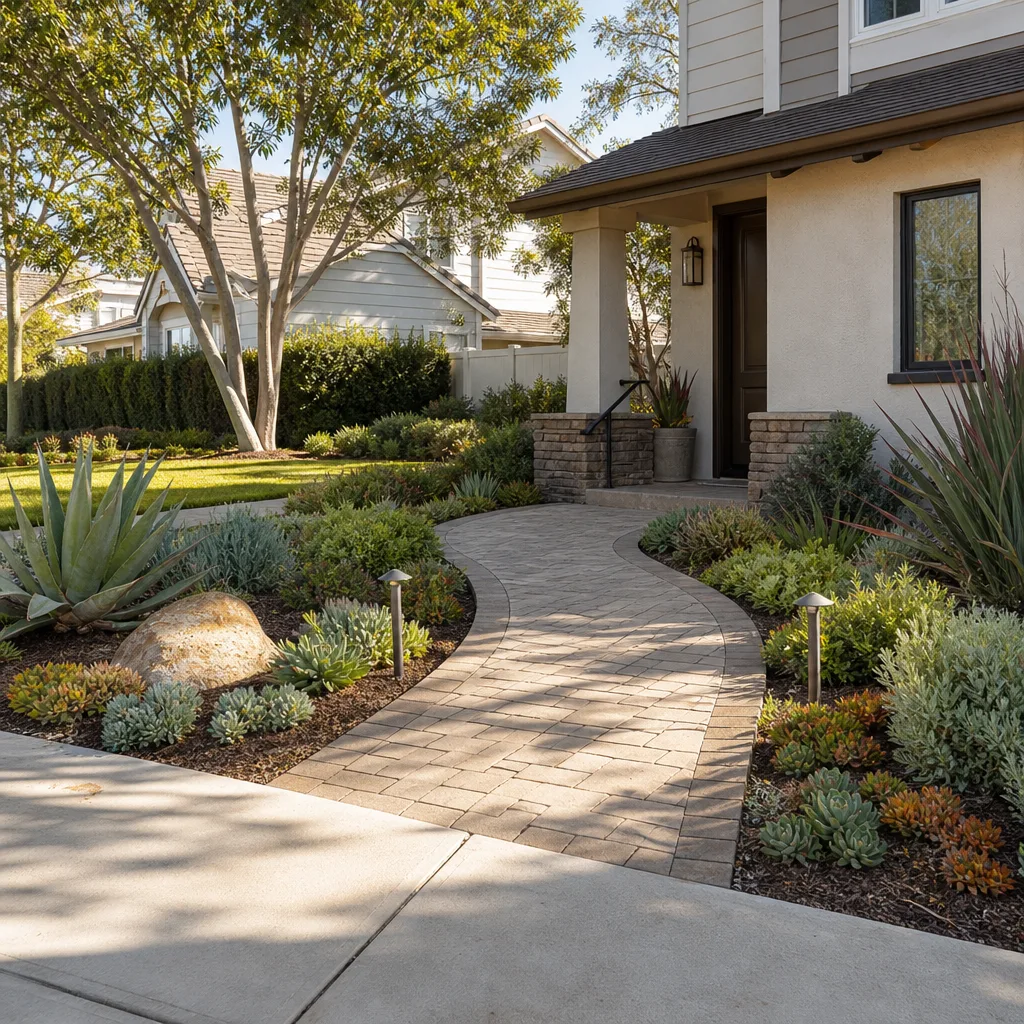
A lot of Concord sits on expansive clay soils that swell when they get wet and shrink when they dry. That’s the single biggest driver of hardscape failure in this city, and it has almost nothing to do with the brand name stamped on the pavers. The paver can be excellent and still shift, heave or crack if the base wasn’t built for moving ground. But some paver lines are engineered specifically for high-movement substrates, and some aren’t.
When you’re comparing driveway and paver brands, the question isn’t which one looks best in the catalog. It’s which one publishes a base-depth specification for expansive soils and which one just says “compact to 95 percent.” The major hardscape manufacturers publish installation guides with soil classification guidance. Ask to see them.
What to look for in a paver or hardscape brand
- Published base specifications for expansive soils. Not all manufacturers provide this. The ones that do have done the engineering.
- Compressive strength and freeze-thaw ratings. Concord doesn’t freeze, so a freeze-thaw rating costs you money without earning it back. What matters more is flexural strength and dimensional stability.
- Colorfastness testing. Inland valley heat bleaches cheap pigments fast. Look for documented UV colorfastness.
- Joint sand systems. The interlocking system matters as much as the paver. Polymeric and stabilized joint systems are both viable, but the manufacturer should specify which one works with your paver line.
- Manufacturer-backed installation systems. Some brands certify installers and offer extended coverage when their full system is used. That’s worth asking about.
This is why we treat driveway & pavers as an engineering exercise before it’s a design one. The brand matters, but the match between brand, base, and soil does more of the work.
Brands With Documented Performance in Contra Costa County
Rather than naming a single best brand per category, it’s more useful to know what each brand family is engineered for and whether that engineering fits Concord. Here’s how we think through the categories we work in most.
Roofing
Roofing manufacturers publish wind ratings, fire ratings and warranty terms on their technical documents. GAF and CertainTeed both produce lines with published specifications for the wind zones and sun exposure that apply to Concord. The brand name isn’t the deciding factor. The deciding factor is whether the specific line you’re quoted is rated for the exposure your roof actually sees, and whether the manufacturer’s limited warranty covers the installation method being used. If you’re weighing options, roof replacement in Concord is the natural place to go deeper on how local roofs are typically specified.
Windows and doors
For a Concord home, window performance comes down to solar heat gain, not cold-weather sealing. A window line engineered for northern climates puts its money into thermal breaks and low-e coatings you may not need, and skips the solar control coatings that would actually help. Ask which glass package is specified and why. The right answer will reference how much sun your windows get, not just the brand.
Cabinetry and countertops
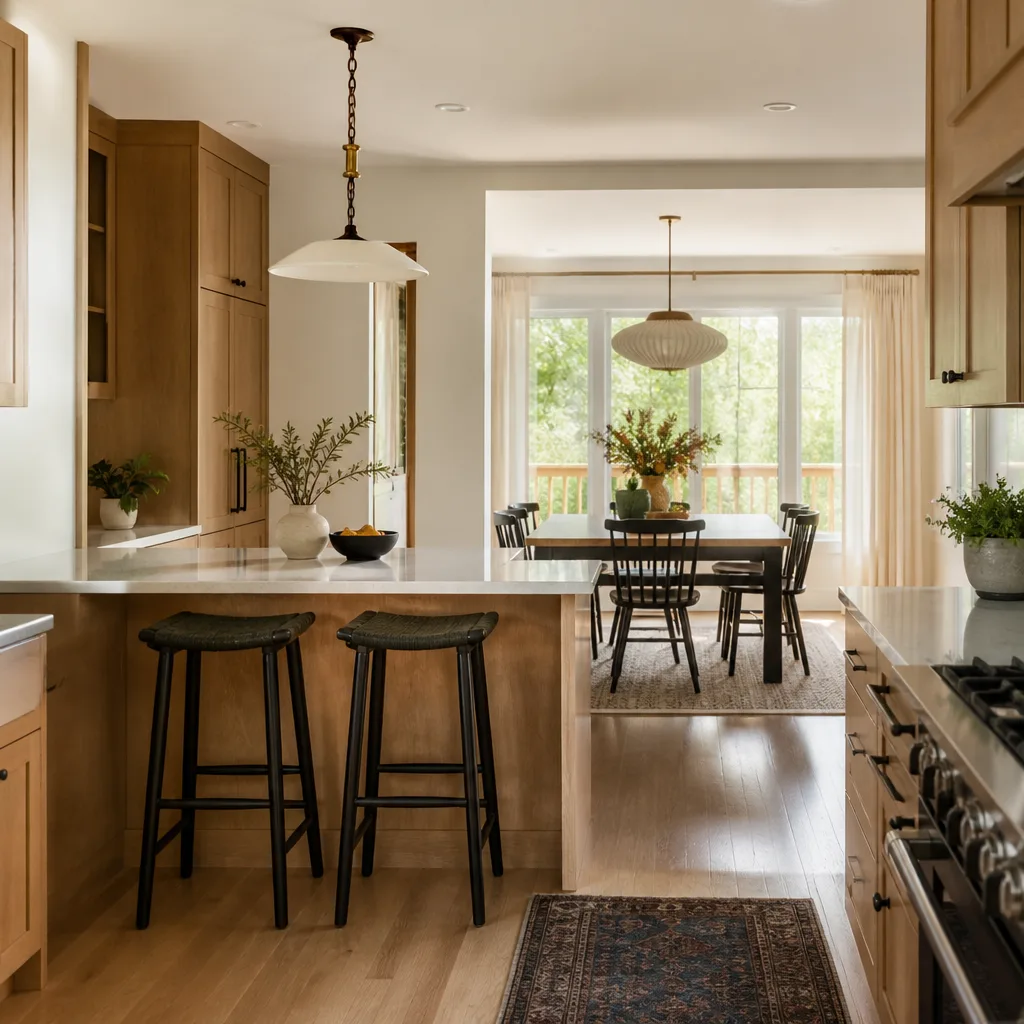
Semi-custom cabinet lines like KraftMaid and Wellborn are both engineered for standard residential use and both publish box construction details. The difference that matters is the interior hardware and the finish durability. Countertops from Cambria, Silestone and Caesarstone are all quartz-based surfaces with published stain, scratch and heat resistance data. In a Concord kitchen where summer indoor temps can crest 80 degrees without air conditioning, heat tolerance matters more than in a cooler climate. Whichever brand you choose, kitchen remodeling in Concord is where those decisions come together.
Fencing
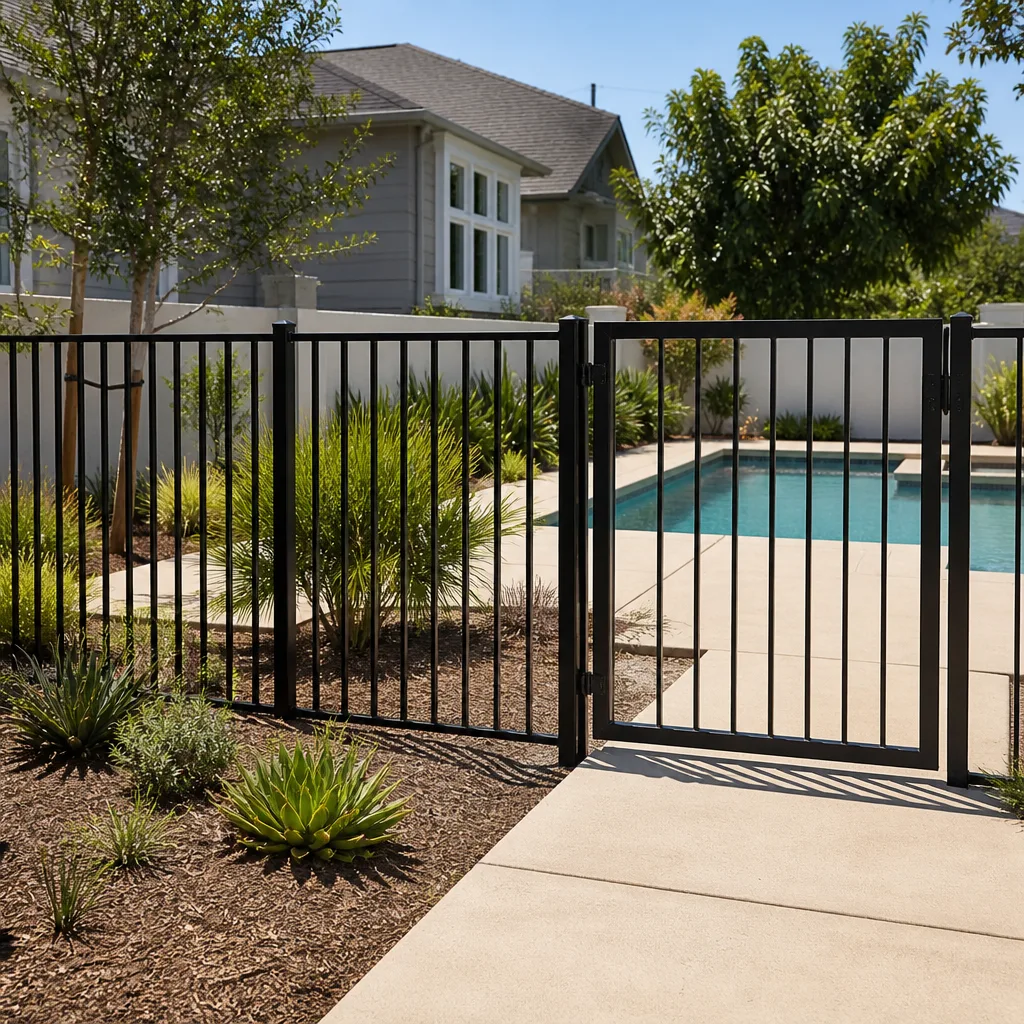
Vinyl and aluminum fencing take the Concord sun the same way pavers do: the colorants either hold or fail. Barrette, Bufftech, Ameristar and Jerith all publish UV ratings and warranty terms. The brand you pick should be the one whose published warranty explicitly covers fading, not just structural failure. That distinction is where most brand comparisons should start.
Plumbing fixtures
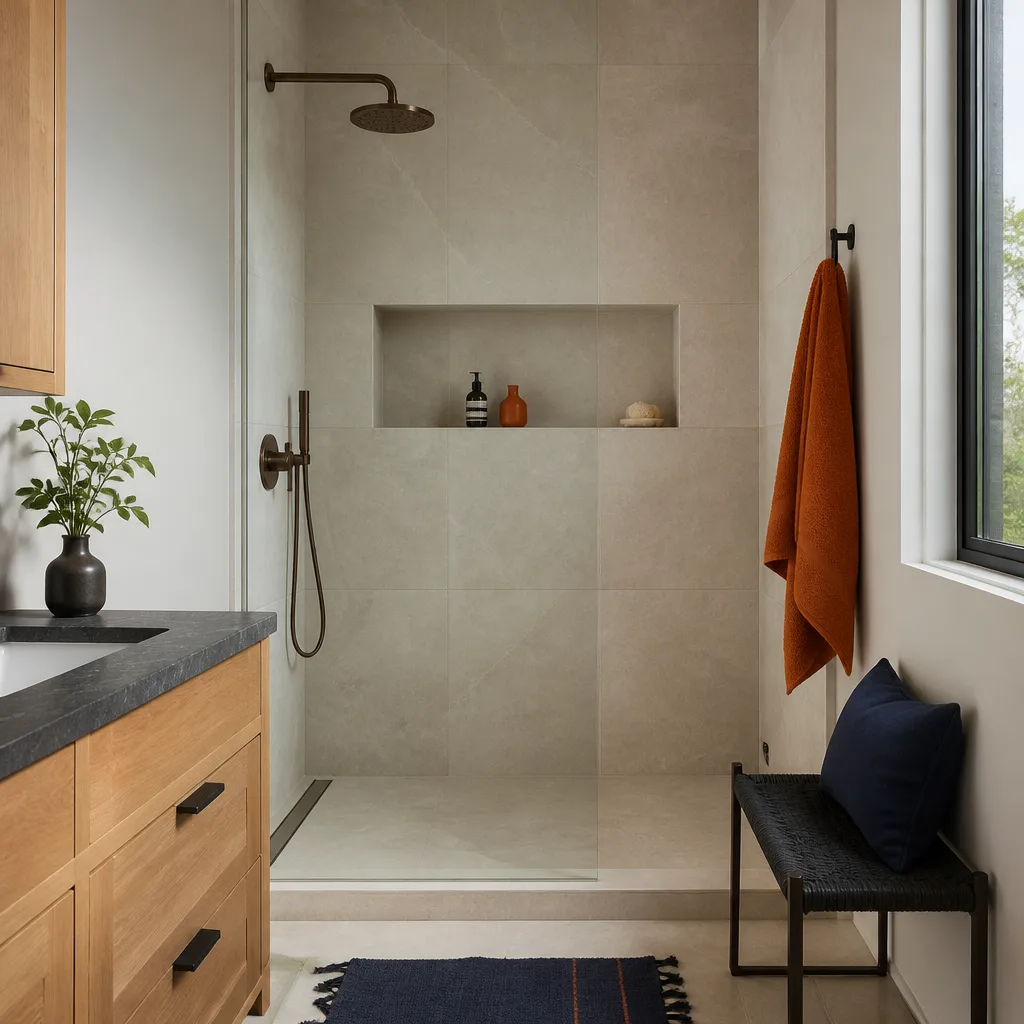
Grohe and Sterling both publish flow rates, finish warranties and installation requirements. The finishing matters in Concord because hard water is common in inland Contra Costa, and finishes either resist scale or degrade quickly. Ask what each brand does about hard water and get the product data sheet.
What Manufacturer Warranties Actually Cover in California
Manufacturer warranties are the most overrated part of a materials purchase, and the most underused. Almost every major brand publishes a “limited warranty” that reads like comprehensive coverage and excludes most of what actually fails. The exercise is to read the exclusions before you sign, not after the roof leaks.
What most limited warranties exclude: installation labor, damage from improper installation, damage from substrate movement, product failures caused by building code violations, and any consequential damage like water intrusion into framing. That means a 30-year shingle warranty almost never pays to replace your roof if it leaks at year eight. It pays to replace the shingle if the shingle itself failed within its coverage period. Installation is a separate question, and it’s why the written installation agreement matters more than the shingle brand.
What to check in a California manufacturer warranty
- Does it transfer? Many limited warranties transfer to a new owner only once, and only within a set window. If you plan to sell, this is worth knowing.
- What’s excluded for California? Some warranties exclude specific installations that don’t meet specific code requirements. Ask the brand’s California-specific terms.
- Who files the claim? Most brands require the contractor or the distributor to file. If your contractor is out of business by year five, your recourse may be thinner than the printed warranty suggests.
- What does “limited” mean in practice? Usually a prorated coverage schedule and a labor exclusion. Ask for the prorated percentage schedule in writing.
- What does the workmanship warranty cover? This is a separate document and usually the one that actually pays in year one through five. Get it in writing and confirm the term.
If you’re building an ADU or addition and stacking a dozen products, we recommend keeping a single file with every warranty, the contractor’s workmanship warranty, and the manufacturer’s product data sheet for each brand. When home additions & ADU projects come together, coordination is what makes the warranties usable, not just the materials themselves.
Why Contractor Relationships Unlock Better Product Lines
Walk into a big-box store and you see the same three paver lines every time. Ask a contractor who works in Concord regularly and the list of available products is longer, and it includes commercial-grade lines you can’t buy retail. That’s not a secret handshake, it’s how the distribution channel works. Manufacturers offer their full catalog to licensed contractors through dealer networks that retail shelves don’t stock, because retail sells volume, and contractors buy specification.
What that means in practice is you get access to products you didn’t know existed. A specialty paver line with a documented base specification for expansive soils. A shingle grade with a longer warranty than the retail version. A cabinet line with a better interior hardware package than the version on the showroom floor. The brand names are often the same, but the product tiers are not.
Why multi-trade contractors give you more brand options
A contractor who handles every layer of the home from the driveway to the kitchen gets to see brands in context. They see which paver line matches the walkway stone, which cabinet finish matches the countertop material, and which window system fits the wall depth of a specific addition. Construction Concord works across seven service categories, which means we’re matching brands across categories, not just within them. That’s the practical advantage of working with a single-source partner: brand selection doesn’t stop at the category line.
How to Verify You Got the Brand You Paid For
The most common brand problem in construction isn’t a bad brand. It’s a substituted brand. The contractor quotes one line, the crew installs a cheaper line from the same manufacturer’s catalog, and by the time the homeowner notices the difference, the job is finished. This is common enough that the major manufacturers publish verification methods: label numbers on packaging, product identification tags, batch codes printed on the product itself.
A verification process that works
- Write the exact brand and product line into the contract. Not just “GAF roofing” but the specific product line and color. Not just “quartz countertop” but the brand and slab number.
- Ask for delivery photos or packaging labels before installation. Most manufacturers print the product name, model and batch on the packaging. Photograph it.
- Check for manufacturer-supplied verification. Some brands offer batch lookup tools online. Ask the contractor to leave the labels and packaging accessible during installation.
- Inspect at installation, not after completion. If the material is going to be visible once installed, look at it before the crew finishes the day.
- Get a substitution clause in writing. If the exact product is unavailable, the contract should require your approval for a substitute, with the substitute specified. A vague “or equal” clause is a hole you can drive a truck through.
On a roof, this matters most because the shingles go up fast and become hard to verify once the ridge cap is on. Ask a roofing team for the delivery paperwork before install begins. On hardscape, verify the pallet labels match the spec before the base goes down, because once the pavers are laid, “this wasn’t the line I approved” is a hard conversation.
Questions to Ask Before You Sign a Materials Spec
Most homeowners sign a materials spec sheet with more attention paid to the total line item than to the brand column. That’s backwards. The brand column is where the money actually is. Here’s the question set that separates a solid spec from a soft one.
The brand and product questions
- What’s the exact model and color? Not just the brand, but the specific SKU or product line.
- What’s the manufacturer’s published warranty length for this product line? Not the brand’s general warranty, the specific line.
- What does the manufacturer exclude from that warranty? Push until you get a clear answer.
- What’s the contractor’s workmanship warranty term and what does it cover? This is often more useful than the manufacturer warranty.
- What happens if the specified brand is unavailable? Get the substitution process in writing.
- Who files a warranty claim five years from now? And what’s the process if the original contractor is out of business?
- Is there a manufacturer-certified installer program for this brand? And is that installer certified?
The Concord-specific questions
- Is this product specified for inland Contra Costa conditions? Not just “California,” the specific inland zone.
- What’s the base depth specified for expansive clay soils on this lot? On hardscape, this is the most important question you can ask.
- What does the product do in the July heat on the west face? For windows, siding and trim in Concord, the west and south exposures are the harshest.
- Does the warranty still apply if installed on a lot with documented expansive soils? A few brands exclude this, and it’s worth asking before you buy.
When clients come to us with these questions prepared, Construction Concord has more useful answers, because we’ve already asked them on past projects and know which brands clear the bar for local conditions.
Common Mistakes to Avoid
- Choosing a brand from a brochure instead of a technical data sheet. The brochure describes the brand’s reputation. The data sheet describes what the product is actually tested to do, and until you’ve read the second one, you don’t know the product.
- Accepting “climate zone” claims without checking the zone map. Coastal California and inland Contra Costa County are often lumped together by manufacturers who sell nationally. Ask for the specific zone, and get the answer in writing.
- Treating “or equal” substitution as fair. A “or equal at contractor’s discretion” clause is a loophole. Specify the product and require written approval for any substitution, with the substitute named before install.
- Ignoring the workmanship warranty in favor of the manufacturer warranty. In Concord, most defects first appear inside years one through five, when the manufacturer warranty usually excludes labor. The workmanship warranty is the document that actually pays.
- Assuming brand = product line. A single manufacturer makes several product tiers. “CertainTeed shingles” is not a specification until it specifies the product line, and a cheaper tier from the same brand is not the same shingle.
- Skipping the base question on hardscape. Concord’s expansive clay soils are a bigger determinant of driveway longevity than the paver brand. Pay more attention to the base spec than the paver color.
- Not keeping the delivery paperwork. Batch codes and delivery labels are the only practical proof of what was installed. Photograph them before the crew opens the pallets, and keep the photos with your closing paperwork.
See the difference
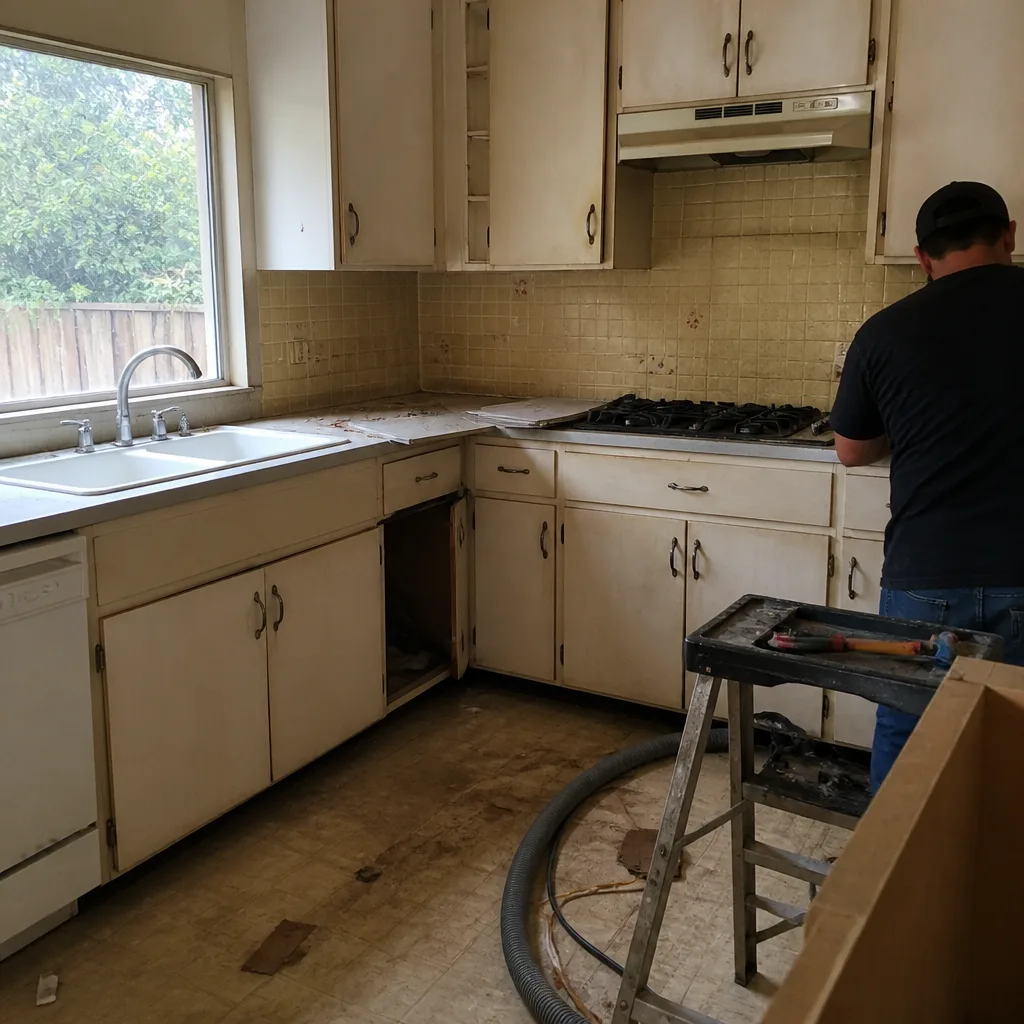 Before
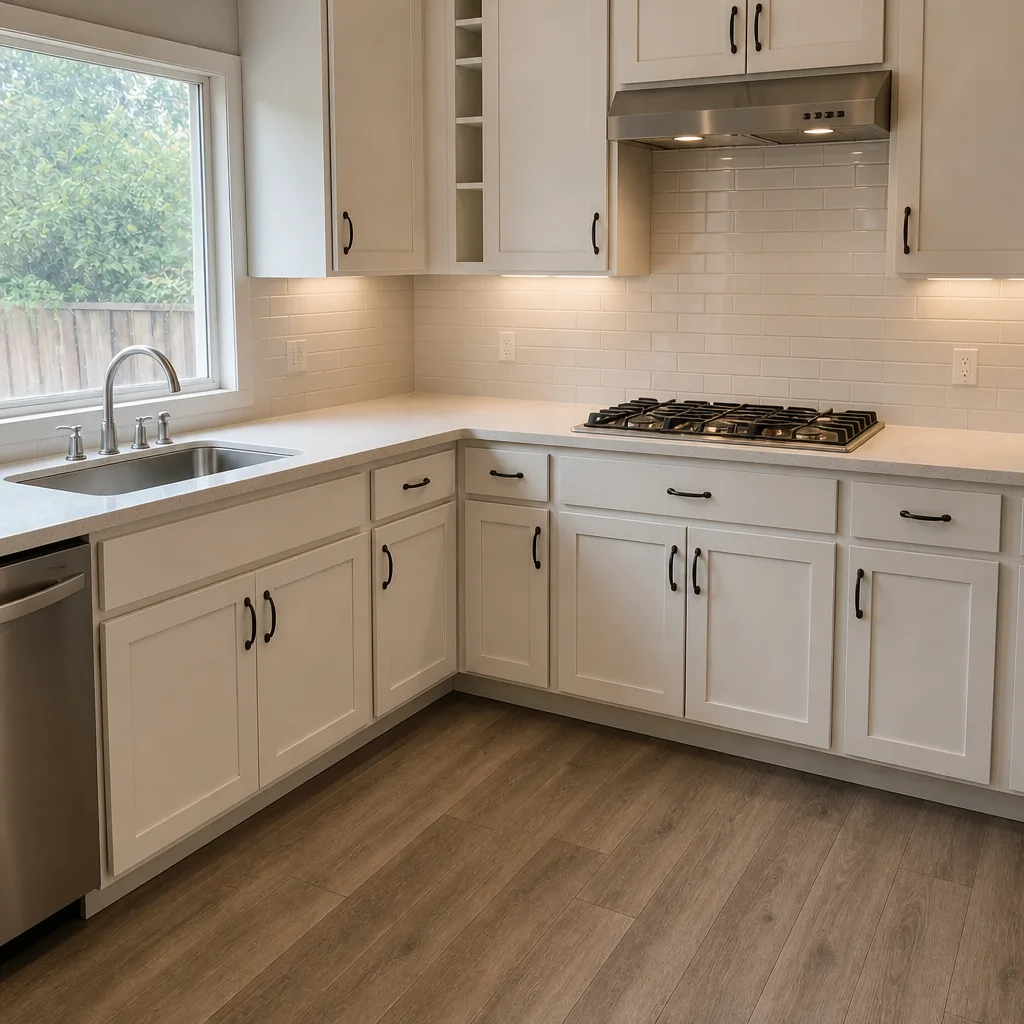 After
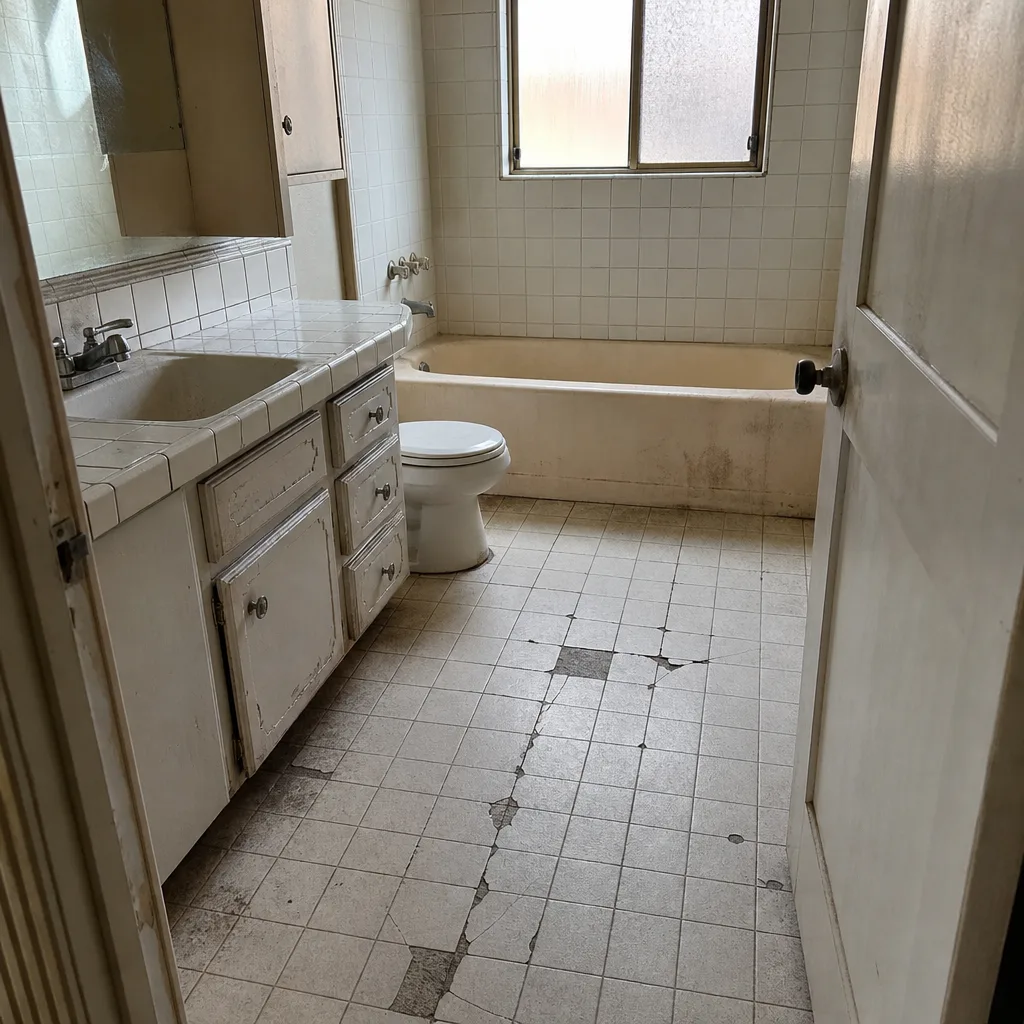 Before
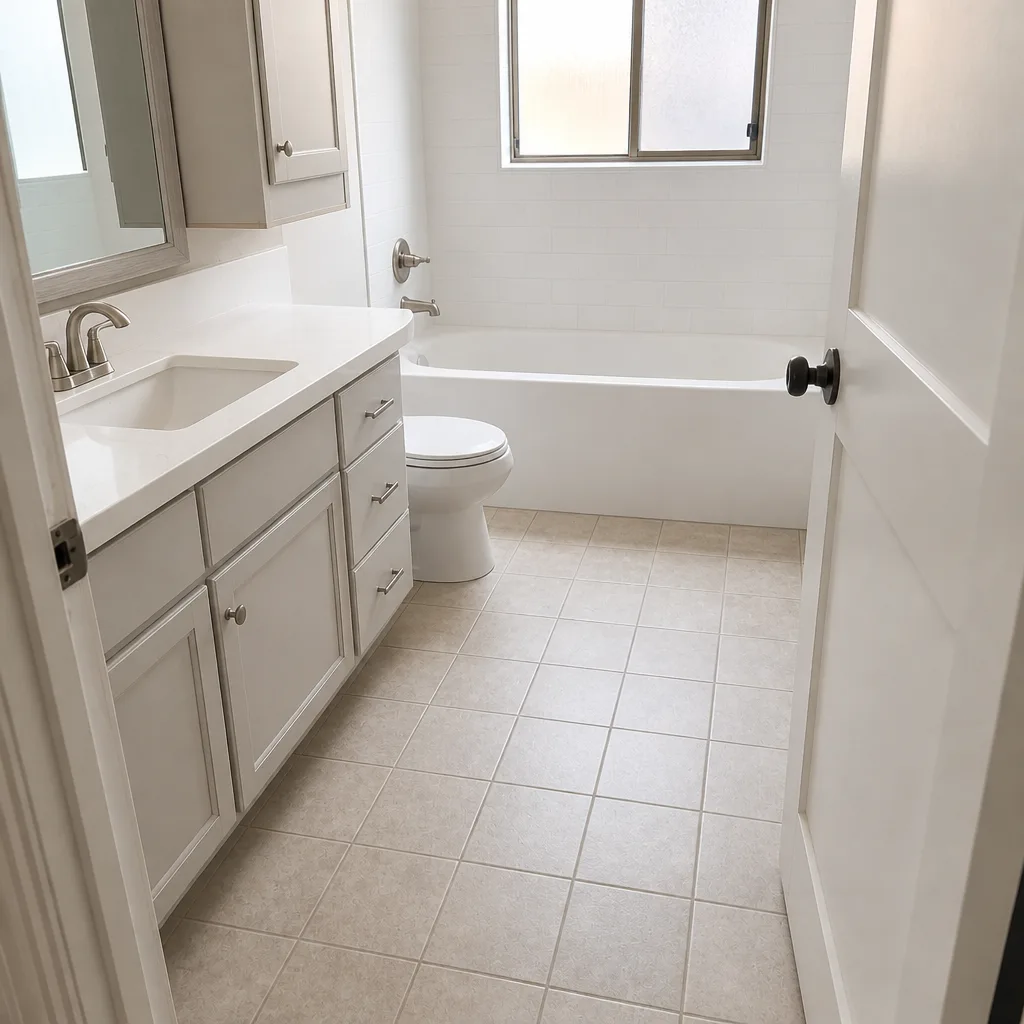 After
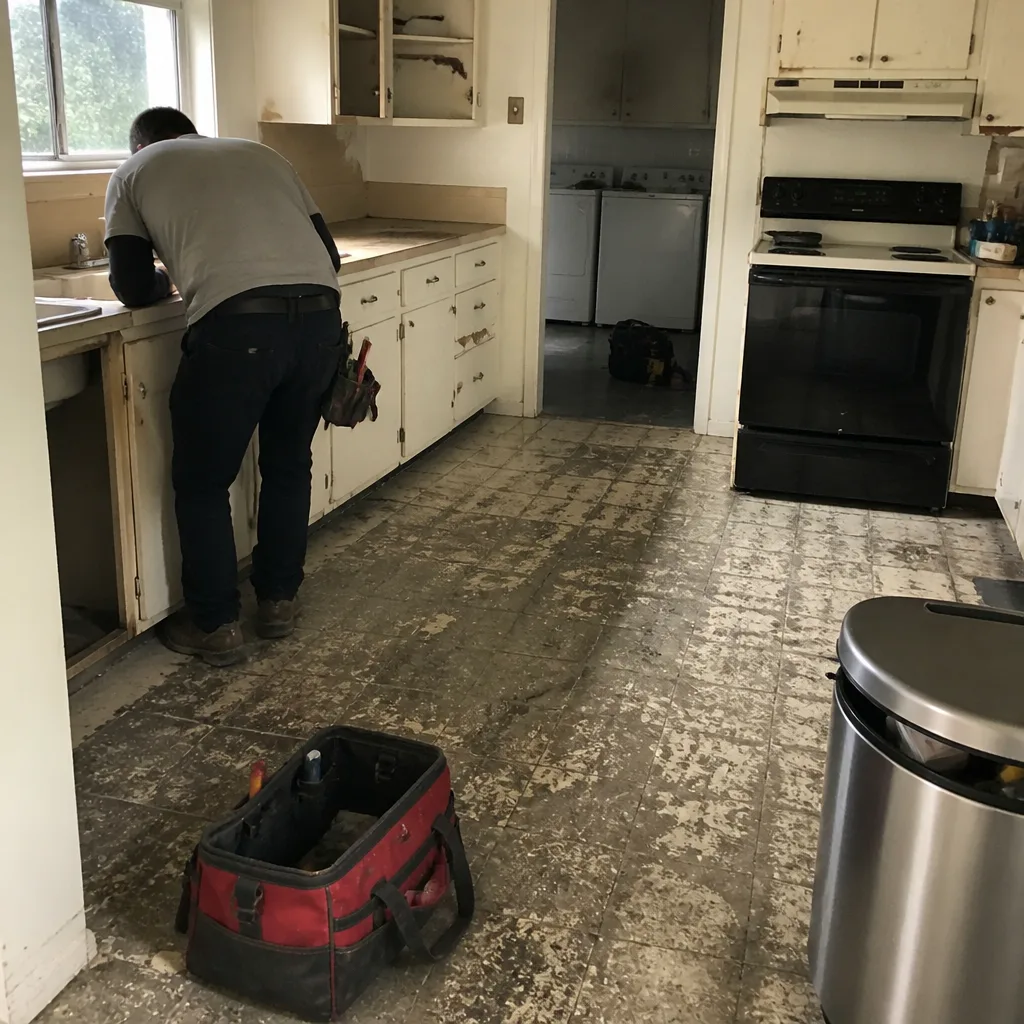 Before
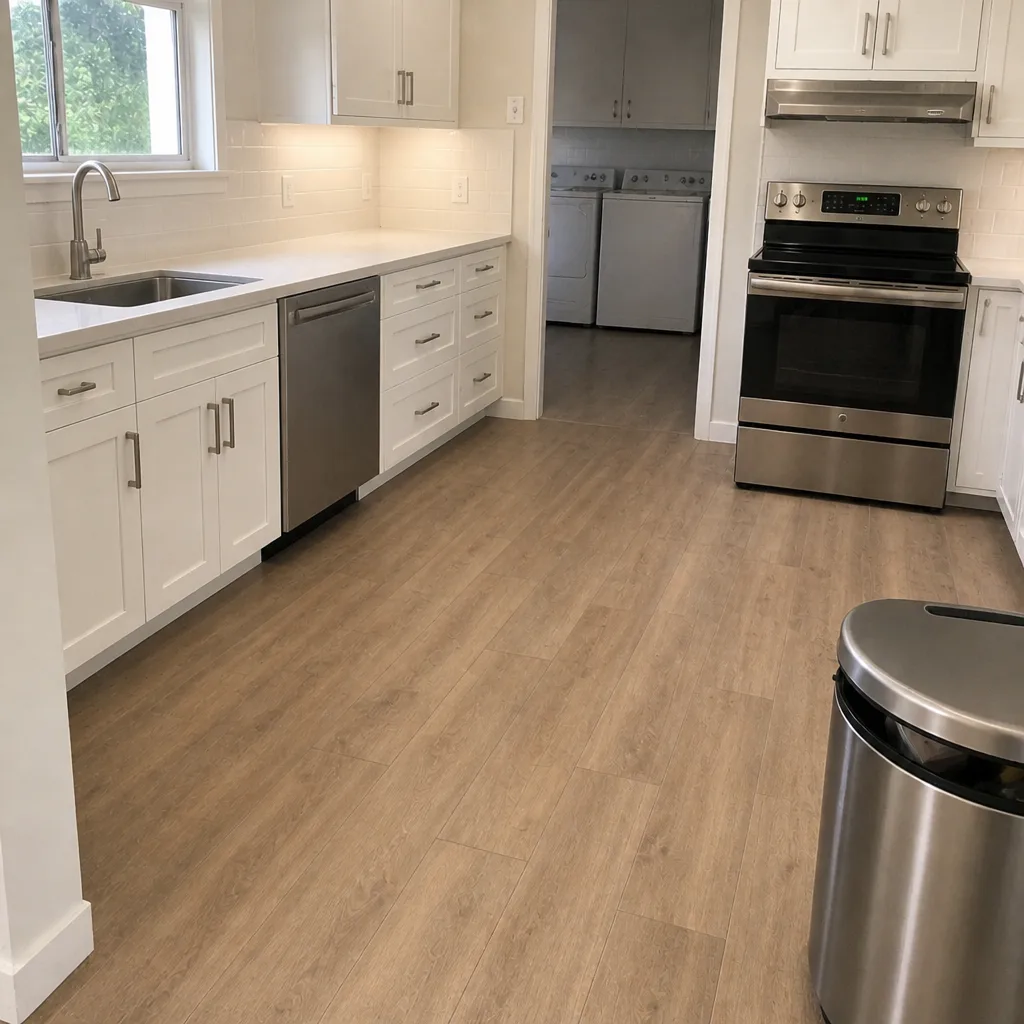 After
When to Call a Professional
Some brand decisions get made in the showroom and some get made on the lot, and the second kind require someone who can read the soil, the drainage and the exposure. If your property has visible settling, standing water after rain, or cracks in an existing driveway or foundation, a professional needs to look at the site before a brand gets specified. Likewise if you’re stacking multiple projects: an ADU addition that runs alongside a kitchen remodel and a window replacement is a coordination problem, not a materials-only decision. And if you’re being handed a spec sheet with vague brand language and “or equal” clauses, get a second set of eyes on it before you sign.
Construction Concord offers free estimates in Concord. Call (866) 611-9068. We answer 24/7. Fast dispatch from 7am to 7pm, Sunday through Friday.
Frequently Asked Questions
There isn’t one. The right brand for a Concord home is the one whose published technical data sheet matches the conditions on your property: expansive clay soils, hot inland summers, dry season followed by wet season, no freeze-thaw. Ask for the data sheet, check the application zone, and specify the exact product line. Call (866) 611-9068 for a free estimate that walks through brand options for your property.
They last longer when their engineering matches local conditions, and they don’t when it doesn’t. A premium shingle line engineered for northern climates doesn’t outlast a mid-grade line engineered for the wind and sun Concord actually gets. The premium price buys engineering, and the engineering only pays back when the conditions match. If you’re comparing brands, ask what specific Concord conditions each product is engineered for. Call (866) 611-9068 for a free estimate with brand-by-brand comparison.
Verify at three points: the contract spec, the delivery paperwork, and the batch codes. The contract should name the exact product line and color, not just the brand. Delivery packaging should carry manufacturer labels with the product name and batch code. Photograph those before install begins. If the material is visible once installed, inspect it before the crew finishes. Any brand substitution should require your written approval. Call (866) 611-9068 for an estimate with brand-verified material specifications.
Most limited manufacturer warranties cover product failure only, prorated over the term, and exclude installation labor, substrate movement, code violations and consequential damage. A 30-year shingle warranty typically doesn’t cover water intrusion into your framing even if the leak happened at year eight. Read the exclusions before you sign, and get the contractor’s workmanship warranty in writing as well. That second document usually pays first. Call (866) 611-9068 for an estimate that includes warranty review.
Yes. Manufacturers offer their full catalog through contractor dealer networks that retail shelves don’t carry, so licensed contractors can often specify commercial-grade product lines that aren’t available in big-box stores. The brand name may be the same, but the product tier often isn’t. Ask your contractor to walk through the available tiers, not just the retail-default version. Call (866) 611-9068 for a free estimate and material-option review.
Installation usually matters more than the brand, and that’s especially true in Concord where expansive clay soils and hot summers stress installation details. A mid-grade paver on a properly engineered base outperforms a premium paver on a base sized for a different soil type. The brand gets your project close; the install and the base take it the rest of the way. Both should be specified in writing. Call (866) 611-9068 for a free estimate that includes installation and material specs.
The Bottom Line
Brand selection in Concord isn’t about prestige. It’s about matching a product’s tested performance to the conditions your property actually imposes. Read the technical data sheet instead of the brochure, verify the product line instead of just the brand, and treat the workmanship warranty as seriously as the manufacturer warranty. Coastally engineered products don’t always fit inland Contra Costa County, and the brands worth your money are the ones whose published specifications acknowledge that. Get the specification in writing, verify at installation, and keep the paperwork. That’s the whole exercise, and it’s what separates a project that holds up at year ten from one that doesn’t.
From the driveway to the kitchen, every material choice deserves a spec that survives the first hot summer. Call (866) 611-9068 for a free estimate on any brand-driven project in Concord.
Written by the team at Construction Concord.